
Harvest
Time Tracking
Sign up free

Time Clock With Break Tracking

Harvest is the ideal tool for teams and freelancers to efficiently track time and expenses, ensuring accurate payroll and compliance with labor laws.

Try Harvest Free

How many hours did you work this week?

Enter your clock-in and clock-out times for each day. The calculator handles breaks, overtime, and weekly totals automatically.

Day Clock In Clock Out Break Hours
Total hours this week 0h
Regular hours (≤40) 0h
Overtime hours 0h
Average hours/day 0h
Total break time 0h

Track time automatically with Harvest

Walk through the entire flow below. Start a timer, check your reports, and create a real invoice — all in three clicks.

Go ahead — start tracking!

One click and you're timing. Try it right here: start a timer, add an entry, edit the details. This is exactly how it feels in Harvest.

  • One-click timer from browser, desktop & mobile
  • Works inside Jira, Asana, Trello, GitHub & 50+ tools
  • Duration or start/end — your call
  • Day, week & calendar views to stay on top of it all
  • Friendly reminders so no hour gets left behind
Acme Corp
Website Redesign
Homepage layout revisions
1:24:09
Content Strategy
Blog calendar planning
1:30:00
SEO Audit
Technical audit report
0:45:00
Brand Guidelines
Color system documentation
2:15:00
Logo Concepts
Initial sketches round 1
1:00:00

The Critical Importance of Accurate Break Tracking

Accurate break tracking is crucial for businesses aiming to comply with labor laws and avoid costly penalties. The Fair Labor Standards Act (FLSA) mandates that breaks under 20 minutes be paid, while meal periods over 30 minutes can be unpaid if the employee is relieved of all duties. However, many states, like California, have stricter laws requiring paid rest breaks and specific meal break timings. Non-compliance can result in fines ranging from $50 to $100 per day per employee for each missed break, making precise tracking essential to prevent legal issues.

Besides compliance, accurate break tracking ensures fair payroll processing. Paid breaks must be included in total work hours, impacting overtime calculations. Employers must keep detailed records of employee hours for at least two years to meet FLSA requirements. Proper tracking also prevents time theft, where employees might extend breaks without notice, affecting labor costs. Ultimately, consistent break monitoring supports employee well-being, boosting morale and productivity through adequate rest.
Essential Features of an Effective Break Tracking System

An effective break tracking system offers features that streamline compliance and payroll processes. Automated clock-in/out for breaks, distinct from regular shift punches, ensures precision in recording work hours. Real-time alerts for missed or shortened breaks help managers promptly address compliance issues. Systems should allow customization of break rules based on shift length, employee age, and state-specific regulations, accommodating diverse workplace needs.

Integration with existing payroll and scheduling software reduces manual data entry, enhancing accuracy. Reporting capabilities are vital for auditing break compliance and identifying patterns that may require attention. Flexible options for time entry, including mobile, kiosk, or biometric methods, ensure accessibility and accuracy. For mobile workforces, GPS tracking verifies the location during punches, adding an extra layer of accountability.

Navigating Labor Laws: Federal, State, and Industry-Specific Requirements

Understanding and adhering to labor laws is essential for effective break management. Federal law distinguishes between paid rest breaks and unpaid meal periods, and employers must adapt to state laws that often impose stricter regulations. For instance, California requires a 10-minute paid rest break for every four hours worked. States like Oregon and Maryland have specific requirements for minors, ensuring they receive adequate break time.

Employers must also be aware of record-keeping obligations, retaining time cards and payroll records for two to three years to comply with FLSA requirements. Industry-specific considerations, such as those in healthcare or hospitality, may necessitate tailored break policies. By understanding how state laws supersede federal guidelines, businesses can avoid non-compliance and foster a legally sound working environment.

Implementing Best Practices for Seamless Break Management

Implementing best practices in break management begins with developing a clear, written break policy that is communicated to all employees. This policy should detail break durations, frequencies, and documentation methods. Requiring employees to clock in and out actively for breaks prevents wage disputes and ensures accurate record-keeping.

Automated reminders for employees to take breaks and alerts for managers regarding missed or shortened breaks streamline compliance. Regular review of break compliance reports allows businesses to address issues proactively. Transparency with employees about tracking methods and data usage builds trust and understanding, minimizing resistance. Training both employees and managers on using the time clock system effectively ensures smooth operations and adherence to policies.

Integrating Break Tracking with Your Payroll System

Integrating break tracking with payroll systems enhances operational efficiency by reducing manual data entry and increasing accuracy. Automated systems sync time and break data seamlessly, supporting accurate overtime calculations and ensuring wage compliance. This integration offers real-time visibility into workforce management, aiding in decision-making and resource allocation.

When selecting a system, consider options that provide robust integration capabilities to align with existing payroll and HR platforms. A centralized system not only streamlines payroll processing but also contributes to a cohesive strategy for managing employee time and breaks, ultimately optimizing workforce productivity and compliance.

Discover Harvest for Time Tracking

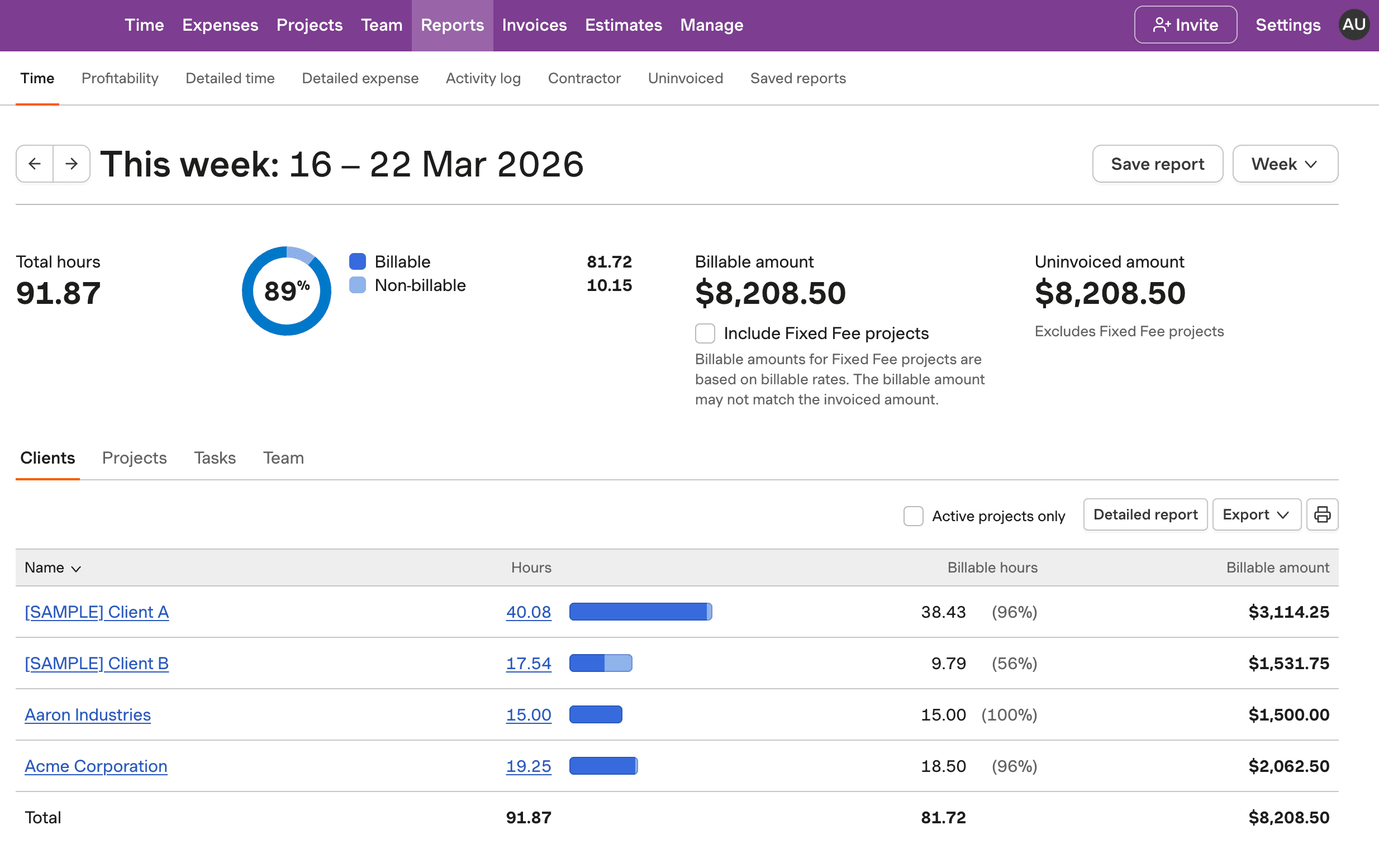
See how Harvest's time tracking features ensure compliance and accurate payroll management, integrating seamlessly with break tracking.

Harvest time tracking interface with break tracking features

Time Clock With Break Tracking FAQs

  • Time clocks track breaks by allowing employees to clock in and out separately for break periods. This ensures precise recording of work hours, helping employers comply with labor laws. Automated systems can also send reminders to employees and alerts to managers for missed breaks.

  • Tracking employee breaks ensures compliance with labor laws, helps avoid penalties, and supports accurate payroll processing. It also prevents time theft and promotes employee well-being by providing adequate rest, ultimately boosting productivity.

  • Break tracking prevents time theft by requiring employees to clock out and in for breaks, ensuring they are not paid for time not worked. This prevents extended breaks going unnoticed, helping manage labor costs effectively.

  • Look for features such as automated clock-in/out for breaks, real-time alerts for compliance, integration with payroll systems, and customizable break rules. Options for mobile, kiosk, or biometric time entry add flexibility and accuracy.

  • Businesses can ensure compliance by understanding federal and state labor laws, developing clear break policies, and using a reliable time clock system. Regular review of break compliance reports and training employees on break policies are also essential steps.

  • While Harvest excels in time and expense tracking with detailed reporting, it does not specifically support break tracking features. However, its integration capabilities can streamline overall payroll management.

  • Integration is typically achieved by selecting a time clock system compatible with your payroll software, allowing automatic syncing of time and break data. This reduces manual entry and improves payroll accuracy, ensuring compliance and efficient operations.