
Harvest
Time Tracking
Sign up free

Time Tracker for Writers

Harvest offers writers a precise way to track time spent on writing projects, helping them identify productivity leaks and optimize their work habits.

Try Harvest Free

What should you charge per hour?

Most freelancers and consultants dramatically undercharge. This calculator accounts for what most people miss: non-billable time, taxes, and overhead.

$
Accounting for vacation, holidays, sick days
60%
Most freelancers can bill 50-70% of their time. The rest goes to admin, marketing, proposals, and learning.
$
Software, insurance, equipment, accounting, taxes beyond income tax, etc.
Your break-even rate $0
Recommended rate (+20% buffer) $0
Billable hours per week 0h
Equivalent daily rate $0

Start tracking your billable hours

Walk through the entire flow below. Start a timer, check your reports, and create a real invoice — all in three clicks.

Go ahead — start tracking!

One click and you're timing. Try it right here: start a timer, add an entry, edit the details. This is exactly how it feels in Harvest.

  • One-click timer from browser, desktop & mobile
  • Works inside Jira, Asana, Trello, GitHub & 50+ tools
  • Duration or start/end — your call
  • Day, week & calendar views to stay on top of it all
  • Friendly reminders so no hour gets left behind
Acme Corp
Website Redesign
Homepage layout revisions
1:24:09
Content Strategy
Blog calendar planning
1:30:00
SEO Audit
Technical audit report
0:45:00
Brand Guidelines
Color system documentation
2:15:00
Logo Concepts
Initial sketches round 1
1:00:00

The Strategic Advantage: Why Writers Benefit from Time Tracking

Time tracking is essential for writers who wish to gain clarity on their time allocation and identify productivity leaks. By understanding how every minute is spent, writers can pinpoint unproductive habits like excessive social media use or frequent breaks. This awareness not only enhances efficiency but also helps optimize earning potential. For freelancers, time tracking is foundational for setting competitive rates and accurately billing clients, which can increase earnings by 20-30% due to more informed rate decisions.

Moreover, time tracking transforms writing from a "mystery to a method" by providing objective data that demonstrates how consistent effort yields results, regardless of daily inspiration. Writers typically spend around 188 hours annually on their projects, and tracking helps them identify their "biological prime time" to optimize productivity. Ultimately, time tracking cultivates consistent writing habits and helps writers overcome procrastination.
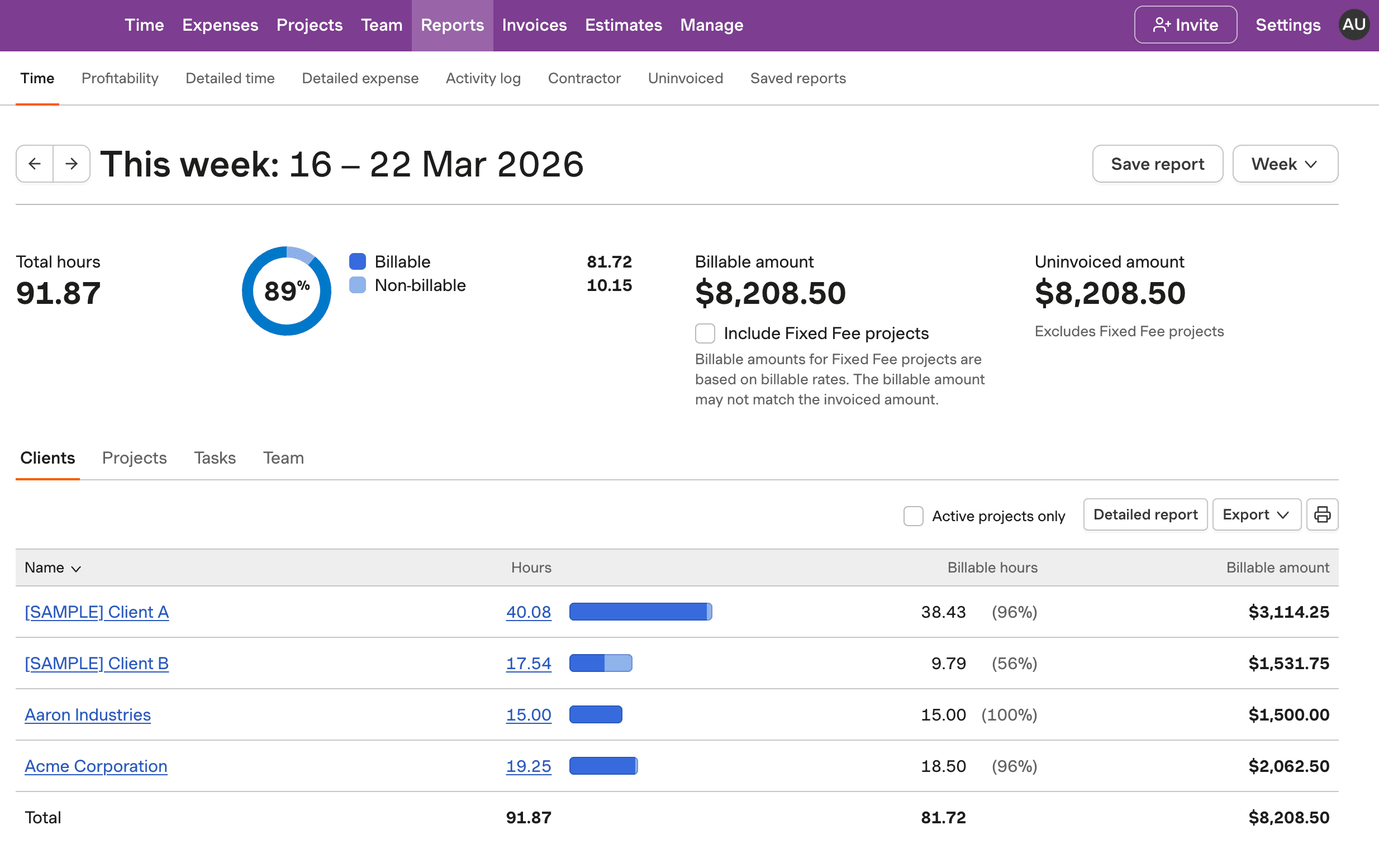
Decoding the Tools: Essential Features for Writer-Focused Time Trackers

When selecting a time tracker, writers should look for specific features that cater to their unique needs. Core functionalities include intuitive timers and flexible manual entry, allowing writers to log time retroactively. Harvest, for example, offers these capabilities alongside project-specific tracking, enabling writers to manage distinct projects like articles, books, or scripts effectively.

Analytical capabilities are equally important. Tools that offer activity categorization and detailed reports provide writers with performance insights that can refine their workflow. Furthermore, seamless integration with popular writing and productivity platforms such as Asana and Trello enhances the utility of time trackers, allowing writers to start timers directly from their writing applications.

Mastering Your Sessions: Practical Strategies for Tracking Writing Time

Implementing structured work intervals, such as the Pomodoro Technique, is a practical strategy for maintaining focus and preventing burnout. This involves working in focused 25-minute sessions followed by 5-minute breaks, with longer breaks after every four intervals. Scheduling writing as a non-negotiable appointment ensures that writers dedicate specific time blocks to their craft, treating them with the same importance as professional meetings.

Data analysis plays a crucial role in refining one's workflow. Regularly reviewing time reports and logs helps writers understand time allocation patterns and identify areas for improvement. By categorizing and tagging tasks like brainstorming, research, drafting, and editing, writers gain granular insights into their work processes, enabling them to minimize distractions and enhance productivity.

Selecting Your Companion: Navigating Free, Paid, and Integrated Solutions

Writers have various options when it comes to choosing a time tracking tool, ranging from cost-effective free solutions to advanced paid tools. For foundational time management, free options offer core functionalities like unlimited tracking and detailed reporting. However, for comprehensive project and financial management, exploring advanced features in paid tools, such as Harvest, can be beneficial.

Matching the complexity and integration capabilities of a tool to your unique writing style and project demands is crucial. Harvest provides flexibility across devices and integrates with platforms like Slack and GitHub, making it an excellent choice for writers who require seamless workflow integration. By evaluating these factors, writers can select a time tracking companion that best suits their needs.

Track Writing Time with Harvest

See how Harvest allows writers to track time spent on various projects, offering insights into productivity and workflow.

Harvest time tracker for writers interface showing project tracking features

Time Tracker for Writers FAQs

  • Writers benefit from tools that are intuitive, offer detailed reporting, and integrate with existing workflows. Harvest is a great option, providing flexibility and comprehensive insights into writing projects.

  • Many time tracking tools integrate seamlessly with writing software through browser extensions or direct integrations. Harvest connects with platforms like Asana and Trello, allowing writers to start timers from within their writing applications.

  • Key features include easy-to-use timers, manual time entry, project-specific tracking, activity categorization, and comprehensive reports. Harvest offers these and integrates with popular writing tools.

  • Yes, there are free time tracking options that offer core functionalities like unlimited tracking and detailed reporting. However, for more advanced features, paid tools like Harvest provide greater value.

  • Tracking progress involves monitoring time spent on writing and considering metrics like words written or pages completed. Regularly reviewing logs helps writers gain insights and improve productivity.

  • Both methods have benefits. Time tracking covers all writing-related activities, while word count provides clear drafting goals. A hybrid approach, as offered by tools like Harvest, is often most effective.

  • Yes, Harvest enables writers to track time spent on different writing projects by creating entries for each project or task, allowing for detailed insights and management.

  • Harvest integrates with various platforms, such as Asana and Trello, enhancing workflow for writers by allowing them to start timers directly from writing applications.