
Harvest
Time Tracking
Sign up free

Time Tracking in Japan

In the complex landscape of Japanese labor laws, Harvest provides reliable time tracking solutions, ensuring compliance and efficiency in workplace monitoring.

Try Harvest Free

How much revenue is your team leaving on the table?

Most agencies run at 55-60% utilization. Even a small improvement means significant revenue. See what closing the gap looks like for your team.

Number of people who track billable time
$
Blended rate across roles (junior, senior, lead)
55%
Percentage of total hours that are billable. Industry average is 55-60%.
75%
A realistic target for service businesses is 70-80%.
Monthly revenue gap $0
Revenue at current utilization $0/mo
Revenue at target utilization $0/mo
Extra billable hours needed per person/day 0h
Annual revenue opportunity $0

Start tracking team utilization

Walk through the entire flow below. Start a timer, check your reports, and create a real invoice — all in three clicks.

Go ahead — start tracking!

One click and you're timing. Try it right here: start a timer, add an entry, edit the details. This is exactly how it feels in Harvest.

  • One-click timer from browser, desktop & mobile
  • Works inside Jira, Asana, Trello, GitHub & 50+ tools
  • Duration or start/end — your call
  • Day, week & calendar views to stay on top of it all
  • Friendly reminders so no hour gets left behind
Acme Corp
Website Redesign
Homepage layout revisions
1:24:09
Content Strategy
Blog calendar planning
1:30:00
SEO Audit
Technical audit report
0:45:00
Brand Guidelines
Color system documentation
2:15:00
Logo Concepts
Initial sketches round 1
1:00:00

The Legal Landscape of Time Tracking in Japan: Compliance Essentials

Time tracking in Japan is governed by the Labour Standards Act (LSA) and guidelines from the Ministry of Health, Labour and Welfare, addressing issues like excessive working hours and "karoshi" (death from overwork). Employers must maintain comprehensive working hour records for all employees, including managerial staff, to ensure compliance. Such records should be retained for at least three years as per Article 109 of the LSA, with penalties for non-compliance reaching fines up to JPY 300,000 or imprisonment for up to six months.

For effective compliance, employers should adopt objective time tracking methods, such as timecards, IC cards, or computer log records, to document start and end times. Self-reporting is allowed but requires additional measures to ensure accuracy, including regular audits and corrections of discrepancies. By adhering to these regulations, companies can not only avoid legal penalties but also foster a healthier work environment.
Methods and Tools for Accurate Time Recording in the Japanese Workplace

Accurate time recording is crucial for compliance with Japanese labor regulations. Employers can use objective methods like timecards, IC cards, and computer usage logs to track employee hours. Although self-reporting is allowed, it demands additional steps to ensure accuracy and compliance, such as detailed policy communication and regular audits. Employers must ensure that reported hours align with objective records to avoid legal repercussions.

For businesses seeking digital solutions, tools like Harvest offer capabilities that align with these needs. Harvest provides one-click start/stop timers and manual time entry options, which can help maintain accurate working hour records. By integrating these tools, companies can streamline their time tracking processes and ensure adherence to labor laws.

Navigating Overtime and Break Regulations in Japan

In Japan, the Labour Standards Act sets strict limits on working hours to prevent overwork. Standard working hours are capped at 8 hours per day and 40 hours per week, with mandatory breaks of at least 45 minutes for shifts over 6 hours, and 1 hour for shifts over 8 hours. Overtime requires a formal "Article 36 Agreement" and should not exceed 45 hours per month or 360 hours per year unless under special circumstances.

Overtime pay rates start at 125% of the normal hourly wage, increasing to 150% for hours exceeding 60 per month, and up to 160% for night work on holidays. To manage compliance, employers should implement alert systems to track overtime limits and ensure correct compensation. By using tools like Harvest, employers can monitor hours worked and manage overtime efficiently, reducing the risk of regulatory breaches.

Time Tracking for Remote and Flexible Work in Japan

The rise of remote and flexible work arrangements in Japan requires robust time tracking systems to ensure compliance with labor laws. Employers should apply existing regulations to remote settings and utilize tools like Harvest, which offers web and mobile platforms for seamless time tracking. This ensures that remote employees' working hours are accurately recorded and monitored.

Flexible work arrangements, such as flextime, allow employees to choose their start and end times, requiring clear policies and reliable tracking tools. Employers must ensure that these arrangements comply with statutory limits and are supported by a valid labor-management agreement. Leveraging digital tools can enhance accuracy and compliance, safeguarding both employee wellbeing and company reputation.

Best Practices for Employers: Ensuring Compliance and Employee Well-being

Ensuring compliance with Japanese labor laws involves implementing comprehensive time tracking policies and procedures. Employers should conduct regular audits to resolve discrepancies and provide thorough training for employees and managers on tracking responsibilities. This proactive approach helps prevent overwork and supports employee health.

Using data from time tracking systems, companies can monitor employee health and adjust workloads to prevent overwork. Harvest's detailed reporting can aid in these efforts by providing insights into team utilization and budget adherence. By fostering a culture of compliance and well-being, employers can enhance operational efficiency and employee satisfaction.

Time Tracking in Japan with Harvest

Explore how Harvest ensures compliance with Japanese labor laws through effective time tracking solutions.

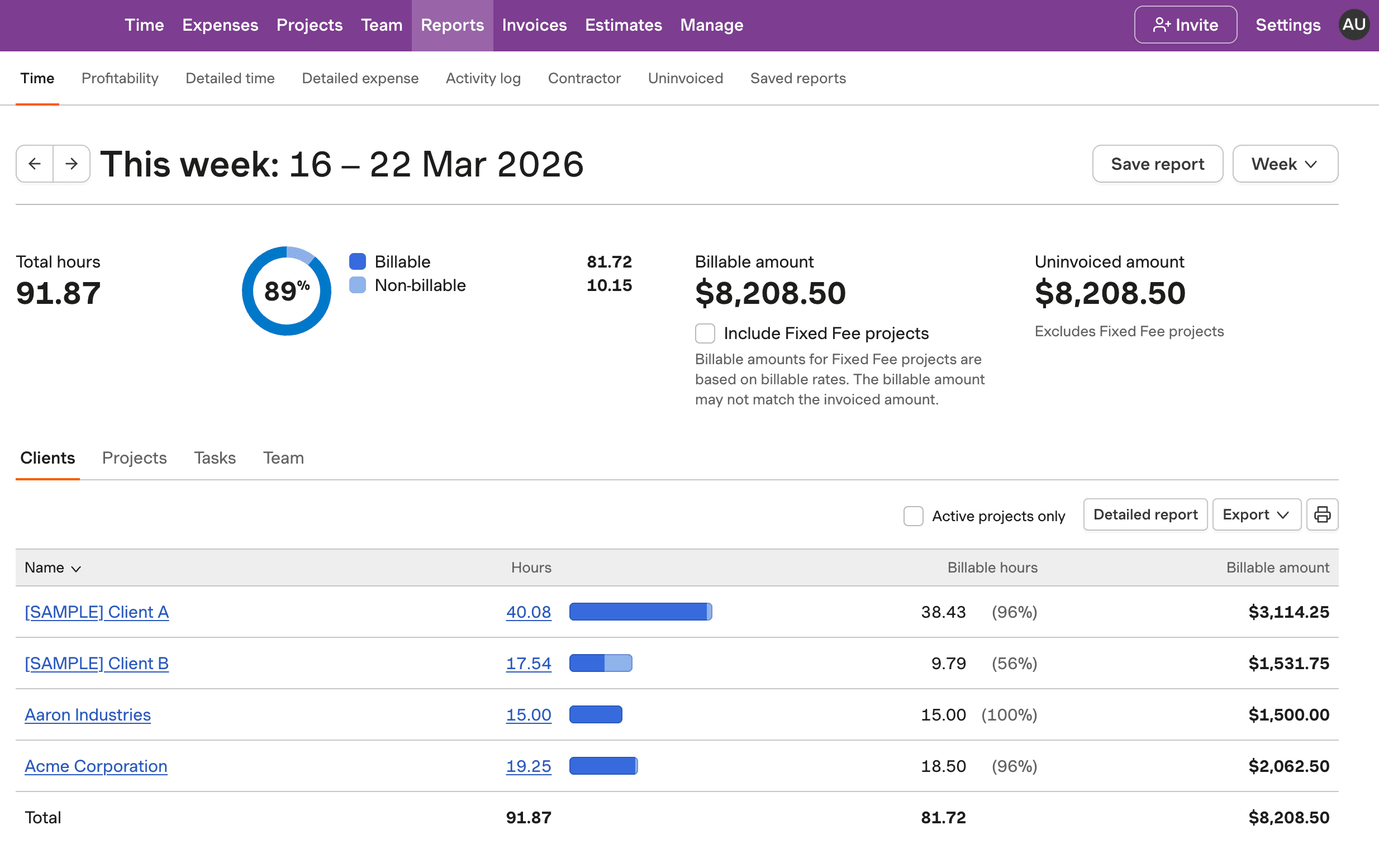
Harvest time tracking dashboard featuring compliance tools for Japan

Time Tracking in Japan FAQs

  • Under Japanese labor laws, employers must track all employees' working hours, including managerial staff, and retain records for three years. Objective methods like timecards or IC cards are recommended to ensure accuracy and compliance.

  • Harvest offers web and mobile platforms that facilitate seamless time tracking for remote workers in Japan. These tools help ensure accurate record-keeping and compliance with labor laws, even in a remote setting.

  • Non-compliance with time tracking laws in Japan can result in fines up to JPY 300,000 or imprisonment for up to six months. Maintaining accurate records and adhering to regulations helps avoid these penalties.

  • Overtime hours in Japan require a valid "Article 36 Agreement" and are compensated at a minimum of 125% of the normal hourly wage. Employers must monitor overtime limits and ensure correct compensation to comply with regulations.

  • Employers in Japan are encouraged to use objective time tracking tools like timecards or digital systems. Harvest offers features such as one-click timers and manual entries, making it a suitable choice for accurate time tracking.

  • While representative directors may be exempt, managers must still have their working hours tracked for health and safety monitoring, especially for late-night work. Accurate tracking is crucial for compliance.

  • Flexible work arrangements like flextime require clear policies and reliable tracking tools to ensure compliance with statutory limits. Employers must have labor-management agreements in place to support these systems.