Sign up free
Understanding Time Tracking Essentials
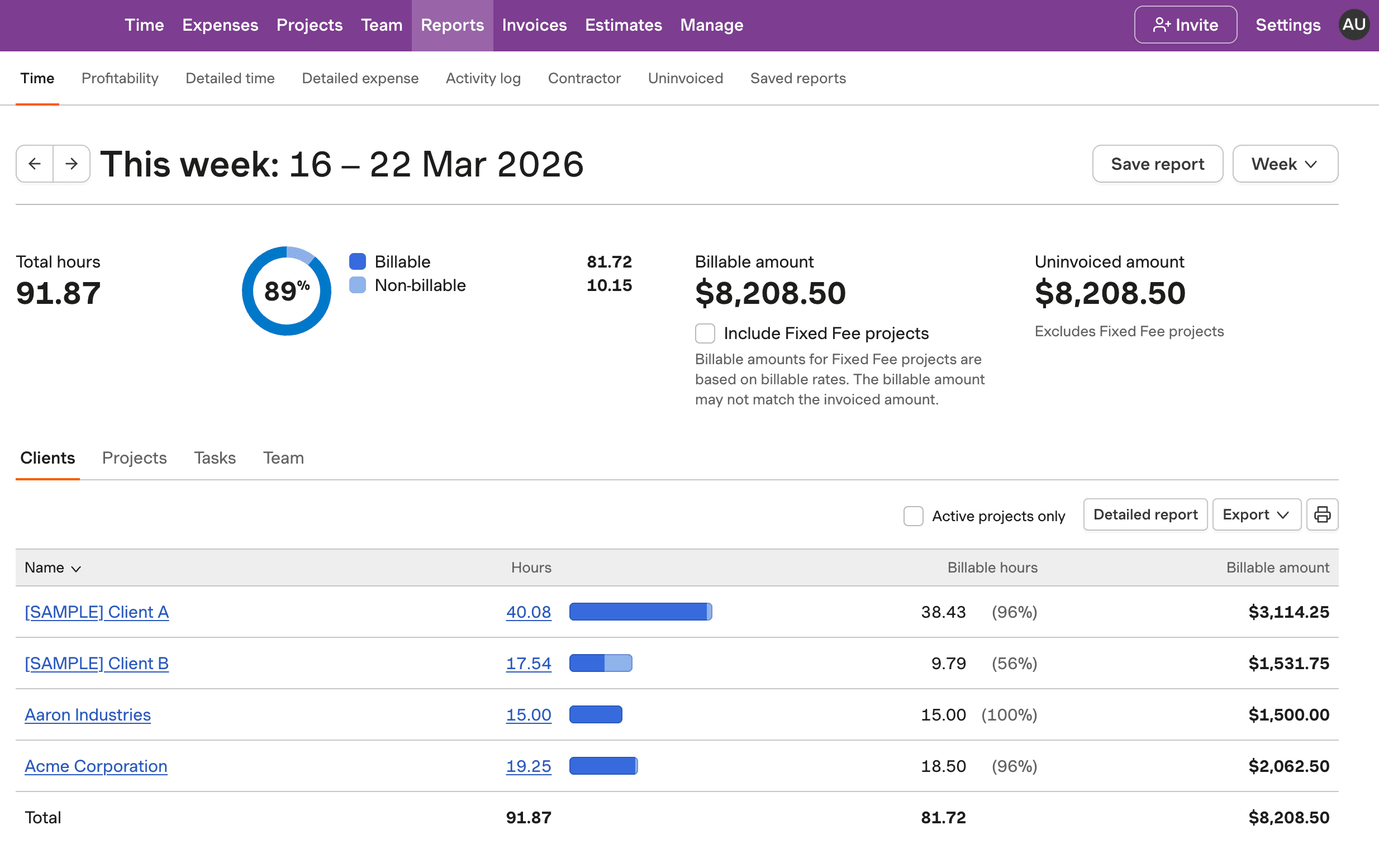
Effective time tracking is crucial for maximizing productivity and profitability. It involves accurately recording the hours spent on various tasks, distinguishing between billable and non-billable hours. This differentiation helps businesses ensure they are compensated for all client work while identifying internal inefficiencies. On average, untracked work hours can cost the economy up to $7.4 billion daily, emphasizing the need for precise tracking.
Time tracking methods typically include manual entries or automated solutions. While manual tracking allows for detailed notes and service-specific rates, it can be time-consuming and prone to errors. Automated methods, like those offered by integrations with project management tools, enhance accuracy and reduce administrative burdens. Compliance with regulations, such as the Federal Labor Standards Act, requires businesses to maintain accurate records of employee hours and wages, further underscoring the importance of reliable time tracking systems.