Sign up free
The Photographer's Time Management Challenge: Why Traditional Methods Fall Short
Photographers often face the daunting task of juggling numerous responsibilities, from shooting and editing to client communication and marketing. The demands of these tasks mean many photographers work over 60 hours a week, leading to stress and inefficiency. Traditional time management methods, such as to-do lists and manual time tracking, often prove inadequate for the dynamic and multifaceted nature of photography projects. This can result in poor workload distribution and a lack of insight into task profitability, ultimately affecting financial stability and work-life balance.
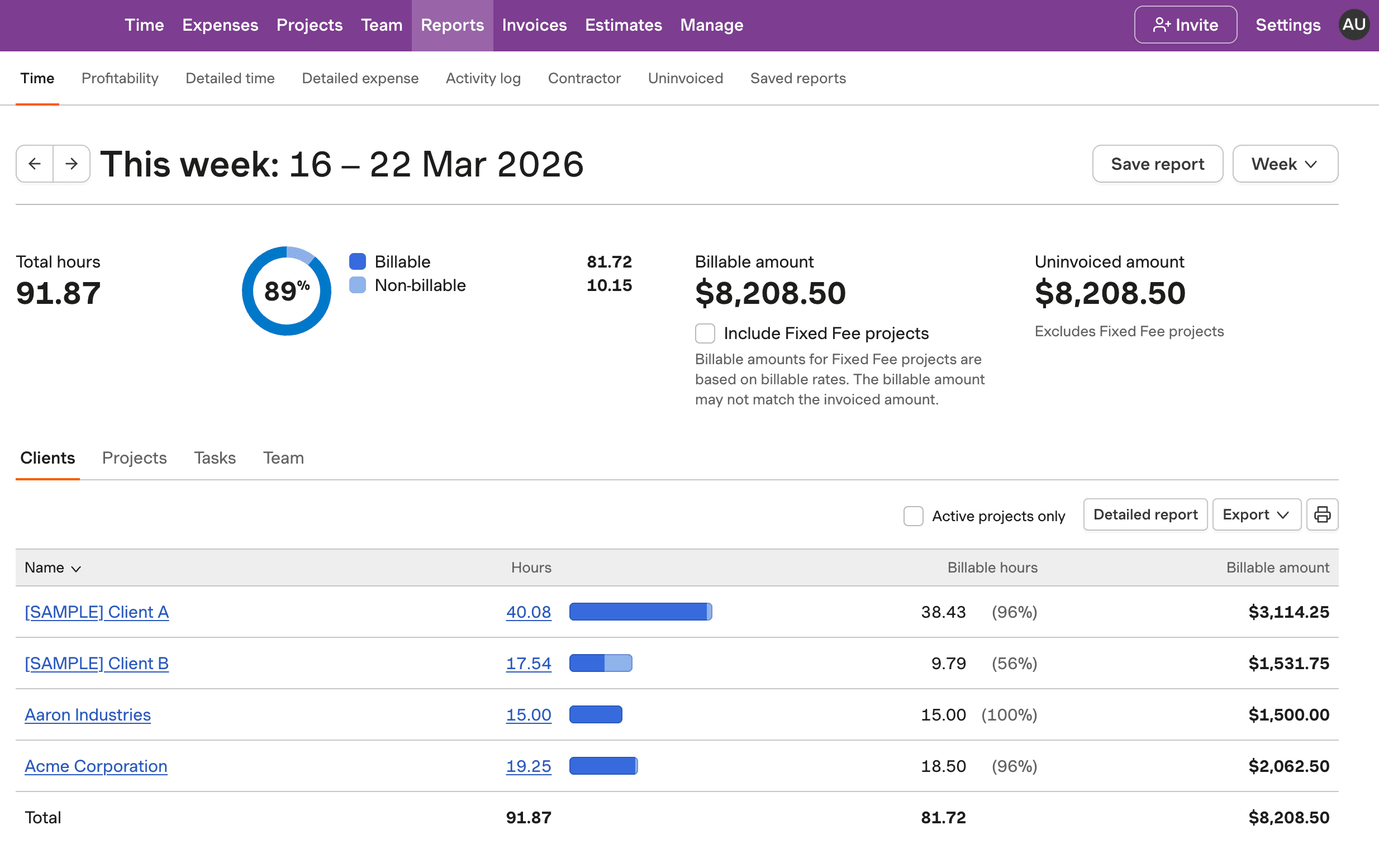
Effective time management is crucial for photographers to optimize their schedules and focus on creative pursuits. By tracking time spent on different project phases such as preparation, shooting, and editing, photographers can identify which tasks are time-consuming and adjust their workflow accordingly. This practice not only boosts productivity by up to 80% but also helps in making data-driven decisions on pricing and project acceptance, ensuring that every hour is accounted for and valued.