
Harvest
Time Tracking
Sign up free

Timesheet in Finland

In Finland, strict timesheet regulations ensure fair working hours and compensation. Harvest offers adaptable tracking tools to meet these requirements.

Try Harvest Free

Will this project be profitable?

Estimate your project cost, set the right price, and know exactly how many hours your team can spend before margin disappears.

Total hours across all team members
$
Average rate across all roles on the project
15%
Scope creep is real. Most projects need 10-25% buffer to stay profitable.
Recommended project price $0
Base cost (before buffer) $0
Hours per person per week 0h
Weekly burn rate $0
Max hours before loss 0h

Track project hours with Harvest

Walk through the entire flow below. Start a timer, check your reports, and create a real invoice — all in three clicks.

Go ahead — start tracking!

One click and you're timing. Try it right here: start a timer, add an entry, edit the details. This is exactly how it feels in Harvest.

  • One-click timer from browser, desktop & mobile
  • Works inside Jira, Asana, Trello, GitHub & 50+ tools
  • Duration or start/end — your call
  • Day, week & calendar views to stay on top of it all
  • Friendly reminders so no hour gets left behind
Acme Corp
Website Redesign
Homepage layout revisions
1:24:09
Content Strategy
Blog calendar planning
1:30:00
SEO Audit
Technical audit report
0:45:00
Brand Guidelines
Color system documentation
2:15:00
Logo Concepts
Initial sketches round 1
1:00:00

Understanding Finnish Working Hours Law: The Foundation of Timesheet Compliance

In Finland, timesheet compliance is deeply rooted in the Finnish Working Hours Act, which, alongside EU directives, mandates precise tracking of employees' working hours. Employers are legally obligated to document daily and weekly hours, including overtime, to ensure adherence to these regulations. The Finnish Working Hours Act has been in place since 1917, reinforcing the importance of structured timekeeping in the workplace. Employers, not employees, bear the responsibility of maintaining these records, which must be accessible for a minimum of five years.

The standard working hours in Finland are capped at 8 hours per day and 40 hours per week, although many collective agreements reduce this to 7.5 hours per day and 37.5 hours per week. For minors aged 15 and under, the maximum is 7 hours daily and 35 hours weekly. These regulations ensure that employees are adequately compensated and receive necessary rest periods, thus promoting workplace health and safety.
Overtime in Finland: Regulations, Compensation, and Limits

Overtime in Finland is tightly regulated to protect employees from excessive work demands. Employees must provide explicit consent for each instance of overtime, preventing employers from mandating additional hours through contractual obligations. Overtime compensation is generous, with rates set at 150% of the regular hourly wage for the first two hours and doubling to 200% for any additional daily hours.

Moreover, Sunday and public holiday work attracts a premium, with potential earnings reaching up to 300% of the base hourly rate. However, there are strict caps on overtime—employees cannot exceed 138 overtime hours over a four-month period or 250 hours annually, although an additional 80 hours can be negotiated. These measures ensure that overtime work remains fair and within legal limits.

Breaks, Rest Periods, and Flexible Work Arrangements

Finnish labor laws mandate specific rest and meal breaks to safeguard employees' well-being. Employees working more than six hours a day are entitled to a 30-minute meal break, which can be unpaid if they are free to leave the workplace. Additionally, there must be at least 11 consecutive hours of rest between shifts and a weekly rest period of at least 35 consecutive hours.

The introduction of flexible working hours, or liukuva työaika, provides employees with the ability to adjust their work schedules, enhancing work-life balance. Under this arrangement, employees can manage their working hours and location with employer agreement, provided they work at least half of their normal hours flexibly. This flexibility can extend daily working times by up to four hours, allowing employees to tailor their schedules to personal needs.

Implementing a Compliant Timesheet System: Best Practices for Employers

To ensure compliance with Finnish labor laws, employers must implement a robust time tracking system that is both objective and reliable. This system should document all working hours, breaks, and overtime, keeping records separate from payroll and stored securely for at least five years. It's crucial that these records are accessible to employees and authorities.

Employers should also provide clear shift schedules at least one week in advance and obtain specific consent for any overtime work. Training employees on the use of time tracking systems is vital to ensure accurate and consistent data entry. By fostering transparency and education around time tracking, employers can enhance compliance and reduce resistance to new systems.

Industry-Specific Nuances and Consequences of Non-Compliance

Different industries in Finland may face unique timesheet requirements due to collective agreements and sector-specific rules. For example, healthcare and transportation sectors often have specialized scheduling needs, such as 12-hour shifts or specific rest break regulations. Collective agreements can reduce standard hours and modify overtime rules, making it essential for employers to stay informed about relevant industry norms.

Failing to comply with timesheet regulations can lead to significant legal repercussions, including fines and damage to a company's reputation. Recent changes in digital payroll reporting, like the transition to the Incomes Register, highlight the increasing importance of precise and timely records. Ensuring compliance not only protects employers from penalties but also promotes a fair and healthy workplace.

Timesheet Management with Harvest

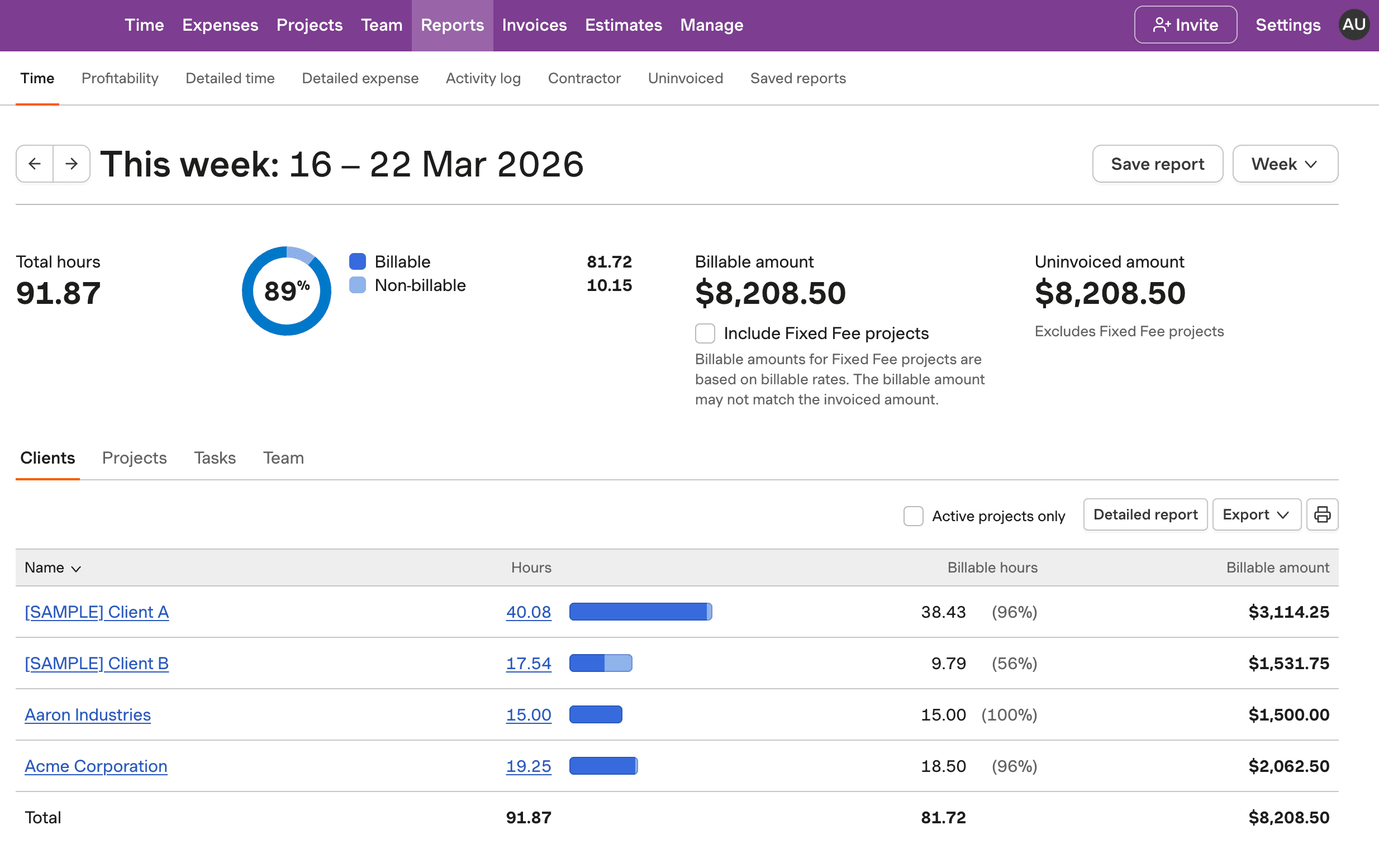
See how Harvest helps you manage timesheets in Finland, ensuring compliance with local labor laws and overtime regulations.

Timesheet management interface in Finland with Harvest

Timesheet in Finland FAQs

  • In Finland, employers are legally required to track employees' working hours as per the Finnish Working Hours Act. This includes documenting daily and weekly hours, overtime, and ensuring rest periods are observed. Accurate records must be maintained for a minimum of five years.

  • Overtime in Finland requires explicit employee consent and comes with specific compensation rates. Employers must track overtime separately from regular hours and adhere to caps, such as 138 hours over four months. This ensures fair compensation and compliance with labor laws.

  • Yes, different industries may have unique timesheet rules influenced by collective agreements. For example, sectors like healthcare and transportation have specific scheduling and rest requirements. Employers must stay informed about these industry-specific regulations.

  • Non-compliance with timesheet regulations in Finland can lead to fines and legal repercussions. Accurate record-keeping is crucial to avoid penalties and maintain a fair workplace environment. Employers must ensure their time tracking systems meet legal standards.

  • To implement a compliant timesheet system in Finland, establish a reliable time tracking system that records all work hours, breaks, and overtime. Ensure records are secure, accessible, and stored for at least five years. Training employees on the system's use can aid compliance.

  • The maximum working time in Finland, including overtime, is 48 hours per week on average over a four-month period. Overtime caps include 138 hours in a four-month period and 250 hours annually, with an optional 80-hour increase negotiated locally.

  • Flexible working hours, or liukuva työaika, allow for up to four hours of daily flexibility. Despite this, employers must still track hours to ensure compliance with average work time limits over a reference period. This model supports work-life balance while maintaining legal compliance.

  • Collective agreements can modify standard working hours, rest periods, and overtime rules. They are pivotal in certain industries, influencing how timesheets are managed to align with both industry norms and legal requirements.

  • Harvest offers flexible manual tracking tools that can be adapted to meet Finland's working hour requirements. While it doesn't enforce specific legal regulations, it helps in maintaining accurate and compliant records.