
Harvest
Time Tracking
Sign up free

Timesheet in Iran

Harvest is an ideal solution for managing timesheets in Iran, addressing local labor laws and cultural practices with ease and precision.

Try Harvest Free

How many hours did you work this week?

Enter your clock-in and clock-out times for each day. The calculator handles breaks, overtime, and weekly totals automatically.

Day Clock In Clock Out Break Hours
Total hours this week 0h
Regular hours (≤40) 0h
Overtime hours 0h
Average hours/day 0h
Total break time 0h

Track time automatically with Harvest

Walk through the entire flow below. Start a timer, check your reports, and create a real invoice — all in three clicks.

Go ahead — start tracking!

One click and you're timing. Try it right here: start a timer, add an entry, edit the details. This is exactly how it feels in Harvest.

  • One-click timer from browser, desktop & mobile
  • Works inside Jira, Asana, Trello, GitHub & 50+ tools
  • Duration or start/end — your call
  • Day, week & calendar views to stay on top of it all
  • Friendly reminders so no hour gets left behind
Acme Corp
Website Redesign
Homepage layout revisions
1:24:09
Content Strategy
Blog calendar planning
1:30:00
SEO Audit
Technical audit report
0:45:00
Brand Guidelines
Color system documentation
2:15:00
Logo Concepts
Initial sketches round 1
1:00:00

Understanding Iran's Labor Law: Foundations for Timesheet Management

The labor laws governing timesheet management in Iran are comprehensive and specific, designed to ensure fair labor practices and accurate record-keeping. The maximum standard working hours are set at 44 hours per week, with the workweek running from Saturday to Thursday. Friday serves as the mandatory weekly rest day, with any work performed on this day warranting a 40% bonus over the regular pay. Overtime work, which requires employee consent, is compensated at a rate of 140% of the standard hourly wage, making it crucial for employers to maintain meticulous records to comply with these guidelines.

Employers must also adhere to specific provisions for night work and hazardous jobs, which include a 35% bonus for night shifts and a reduced maximum of 36 hours per week for hazardous roles. In addition to these regulations, employees are entitled to 26 working days of paid annual leave, excluding Fridays and public holidays. Compliance with these regulations not only upholds legal standards but also fosters a fair and productive work environment.
Implementing Effective Timesheet Systems in Iran

Effective timesheet management in Iran requires employers to maintain accurate records of working hours, overtime, and leave. Utilizing advanced time and attendance tracking solutions, such as digital software and biometric systems, can streamline this process. These systems help ensure compliance with labor laws by accurately recording employee work hours and integrating seamlessly with payroll systems to guarantee accurate compensation.

Best practices involve establishing clear policies and procedures that align with Iranian labor laws, including employee consent for overtime work and regular audits to verify the accuracy of recorded data. Training employees on the use of these systems and the company's timekeeping policies is essential for smooth adoption and compliance. By implementing these strategies, businesses can effectively manage timesheets while supporting their workforce's rights and productivity.

Cultural and Practical Considerations for Timesheet Management

In Iran, workplace culture and economic factors significantly influence timesheet management practices. The hierarchical nature of Iranian workplaces requires that managers implement timesheet systems with clear directives and a top-down approach. This cultural context affects how employees perceive and interact with time-tracking systems, emphasizing the need for managerial expertise and interpersonal skills.

The economic climate, characterized by inflation and sanctions, impacts HR decisions and compensation strategies, necessitating flexible and adaptive policies. The service sector, which employs a significant portion of the workforce, relies heavily on efficient scheduling and time tracking due to the prevalence of shift-based and hourly work. Additionally, employers must navigate legal nuances in Free Trade Zones and for migrant workers, ensuring compliance and fair treatment for all employees.

Timesheet Management in Iran with Harvest

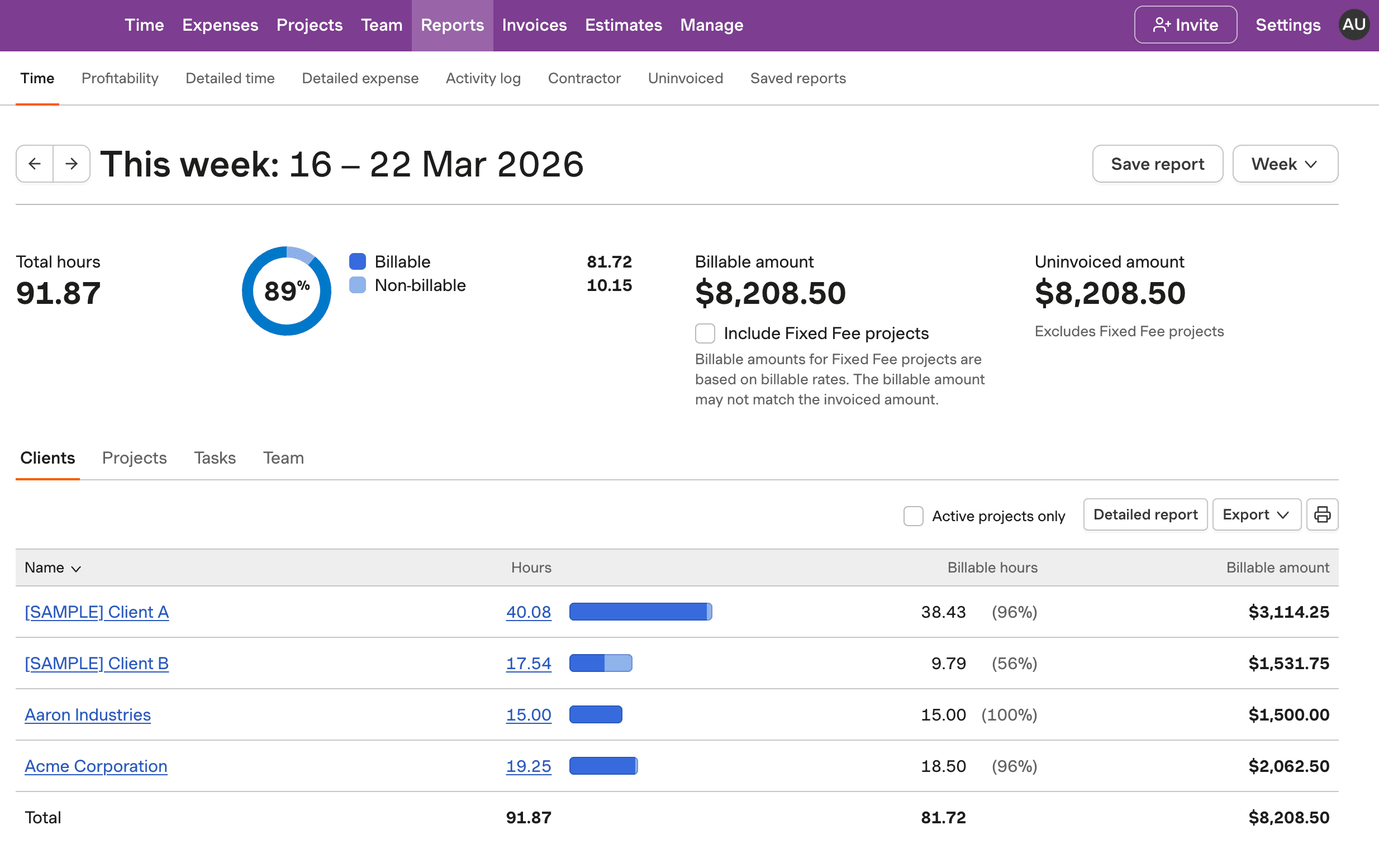
See how Harvest simplifies timesheet management in Iran, ensuring compliance with local labor laws and cultural practices.

Screenshot of Harvest managing timesheets in Iran

Timesheet in Iran FAQs

  • In Iran, employers must adhere to labor laws that specify a maximum of 44 working hours per week. Overtime requires consent and is compensated at 140% of the standard wage. Accurate record-keeping of all work and leave hours is mandatory, supporting compliance and fair employee treatment.

  • Harvest offers robust features for timesheet management, including reminders and approvals, making it an excellent choice for compliance with Iranian labor laws. Its integration capabilities streamline payroll processes, ensuring accurate and timely compensation.

  • Yes, Iranian workplaces are hierarchical, and timesheet systems should be implemented with clear directives. Managers play a crucial role in guiding employees through adoption, reflecting the culture's emphasis on authority and relationship-building.

  • Overtime in Iran requires employee consent and is compensated at a 40% premium over the standard hourly wage. It must not exceed 4 hours per day, except under extraordinary circumstances, and is prohibited for hazardous jobs or night work.

  • Employers in Iran must keep detailed records of employees' working hours, including overtime and leave, for at least seven tax years. This documentation is crucial for compliance with labor regulations and supports accurate payroll processing.

  • Iranian timesheets must track various types of leave, including 26 working days of annual leave, sick leave, and maternity leave. This ensures compliance with labor laws and proper employee compensation.

  • Yes, Harvest integrates seamlessly with payroll systems, ensuring that timesheet data translates into accurate and timely payments. This integration supports compliance with labor laws and streamlines HR processes.