
Harvest
Time Tracking
Sign up free

Time Tracking in Iran

Harvest offers versatile time tracking tools that comply with Iran’s Labor Law, simplifying compliance with standard working hours and overtime regulations.

Try Harvest Free

How many hours did you work this week?

Enter your clock-in and clock-out times for each day. The calculator handles breaks, overtime, and weekly totals automatically.

Day Clock In Clock Out Break Hours
Total hours this week 0h
Regular hours (≤40) 0h
Overtime hours 0h
Average hours/day 0h
Total break time 0h

Track time automatically with Harvest

Walk through the entire flow below. Start a timer, check your reports, and create a real invoice — all in three clicks.

Go ahead — start tracking!

One click and you're timing. Try it right here: start a timer, add an entry, edit the details. This is exactly how it feels in Harvest.

  • One-click timer from browser, desktop & mobile
  • Works inside Jira, Asana, Trello, GitHub & 50+ tools
  • Duration or start/end — your call
  • Day, week & calendar views to stay on top of it all
  • Friendly reminders so no hour gets left behind
Acme Corp
Website Redesign
Homepage layout revisions
1:24:09
Content Strategy
Blog calendar planning
1:30:00
SEO Audit
Technical audit report
0:45:00
Brand Guidelines
Color system documentation
2:15:00
Logo Concepts
Initial sketches round 1
1:00:00

Understanding Time Tracking Regulations in Iran

Time tracking in Iran is governed by a comprehensive legal framework under the Labor Law, ratified on October 20, 1990. This regulation dictates that standard working hours are a maximum of 8 hours per day and 44 hours per week, with reductions for jobs deemed difficult or harmful to a maximum of 6 hours per day. It's crucial for businesses to comply with these regulations to avoid legal repercussions and ensure proper payroll management.

Overtime work, which is any work performed beyond the official working hours, requires explicit written consent from the employee and must be compensated at a rate of 1.4 times the normal hourly wage. Businesses must document attendance accurately, as mandated by Article 90 of the Labor Law, to ensure compliance and prevent disputes over wages and benefits. Accurate time tracking is essential for the precise calculation of wages, overtime, and insurance contributions.
Choosing the Right Time Tracking Tools in Iran

When selecting a time tracking tool for use in Iran, businesses must consider both regulatory compliance and operational needs. Harvest offers a versatile solution that can be effectively utilized across web, mobile, and desktop platforms, making it accessible for businesses of all sizes and structures, including those with remote employees or multiple branches. This flexibility ensures that companies can maintain accurate time records regardless of their operational model.

In Iran, options for time tracking systems also include biometric devices, card-based systems, and software applications with GPS or Bluetooth tracking. Harvest's integration capabilities with platforms like Slack and QuickBooks provide additional opportunities to streamline business operations by connecting time tracking with project management and accounting systems. This integration is crucial for reducing administrative burdens and maintaining compliance with Iranian labor laws.

Implementing Best Practices for Time Tracking

To implement effective time tracking in Iran, businesses should establish clear internal attendance regulations that align with the local labor laws. These regulations should cover working hours, shift schedules, overtime procedures, and leave policies. Harvest helps facilitate this process by providing timesheet reminders and approvals, ensuring that employees submit accurate time records consistently.

Automating data collection is another best practice, as it minimizes the potential for manual errors and manipulation. By integrating Harvest with existing HR and payroll systems, businesses can automate wage, overtime, and leave calculations, ensuring precision and efficiency. Regular monitoring through detailed reporting capabilities allows businesses to identify attendance patterns and address issues promptly, supporting organizational efficiency and legal compliance.

Track Time in Iran with Harvest

See how Harvest's flexible tools help businesses in Iran comply with labor laws and manage payroll efficiently.

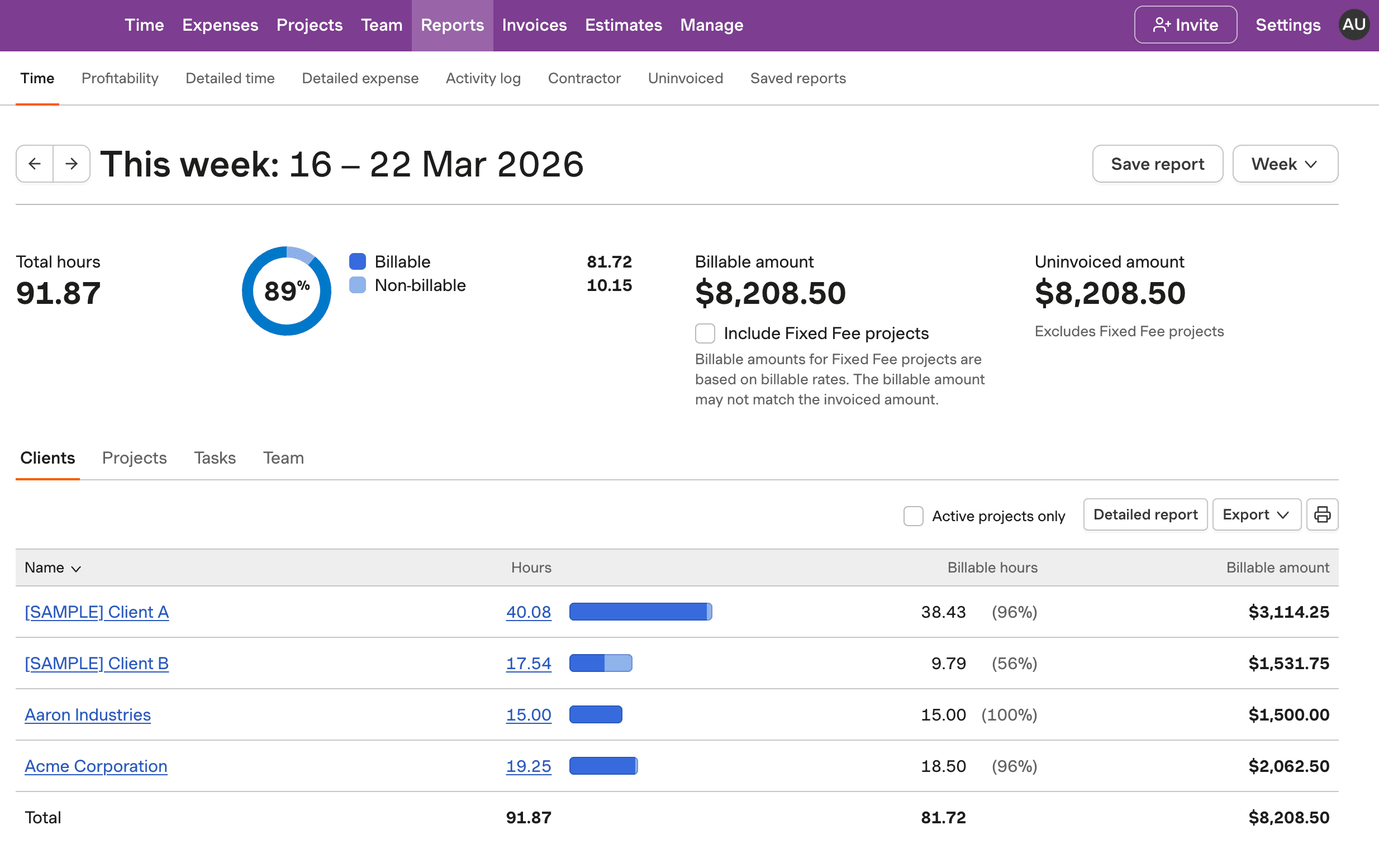
Screenshot of Harvest time tracking tools for use in Iran

Time Tracking in Iran FAQs

  • In Iran, time tracking is governed by the Labor Law, which sets standard working hours at a maximum of 8 hours per day and 44 hours per week. Overtime must be compensated at 1.4 times the normal rate and requires written consent from the employee. Accurate documentation of attendance is mandatory for compliance and payroll calculations.

  • Harvest provides versatile tools that can be utilized across web, mobile, and desktop platforms, making it an ideal choice for businesses in Iran. It offers features like timesheet reminders and approvals, ensuring accurate time records and compliance with local labor laws.

  • In Iran, businesses can use a variety of tools, including biometric devices, card-based systems, and software applications. Harvest offers a comprehensive solution that includes web, mobile, and desktop platforms, providing flexibility and integration capabilities with other business tools.

  • Businesses can ensure compliance by choosing a time tracking system that aligns with the Labor Law's requirements, such as Harvest. Features like automated data collection and integration with HR and payroll systems help maintain accurate records and streamline compliance with standard hours and overtime regulations.

  • Best practices include establishing clear internal attendance policies, automating data collection, and integrating time tracking with HR and payroll systems. Harvest supports these practices with features like timesheet reminders, approvals, and detailed reporting, aiding compliance and operational efficiency.

  • Yes, Harvest integrates with platforms such as Slack, QuickBooks, and more, allowing businesses to streamline operations by connecting time tracking with project management and accounting systems. This integration supports efficient processes and compliance with labor regulations.

  • Overtime in Iran is defined as work beyond the standard 8-hour daily limit and must be compensated at 1.4 times the regular wage. It requires written consent from the employee, and the maximum daily overtime is typically 4 hours, with exceptions possible through a written agreement.