
Harvest
Time Tracking
Sign up free

Track Break Time

Harvest is a time tracking and invoicing tool, perfect for teams seeking precise project time tracking and seamless invoicing. While not tailored for break time management, Harvest excels in capturing detailed work hours and expenses.

Try Harvest Free

How many hours did you work this week?

Enter your clock-in and clock-out times for each day. The calculator handles breaks, overtime, and weekly totals automatically.

Day Clock In Clock Out Break Hours
Total hours this week 0h
Regular hours (≤40) 0h
Overtime hours 0h
Average hours/day 0h
Total break time 0h

Track time automatically with Harvest

Walk through the entire flow below. Start a timer, check your reports, and create a real invoice — all in three clicks.

Go ahead — start tracking!

One click and you're timing. Try it right here: start a timer, add an entry, edit the details. This is exactly how it feels in Harvest.

  • One-click timer from browser, desktop & mobile
  • Works inside Jira, Asana, Trello, GitHub & 50+ tools
  • Duration or start/end — your call
  • Day, week & calendar views to stay on top of it all
  • Friendly reminders so no hour gets left behind
Acme Corp
Website Redesign
Homepage layout revisions
1:24:09
Content Strategy
Blog calendar planning
1:30:00
SEO Audit
Technical audit report
0:45:00
Brand Guidelines
Color system documentation
2:15:00
Logo Concepts
Initial sketches round 1
1:00:00

Understanding Employee Break Laws: Federal Baselines and State Variations

Employee break laws vary significantly across federal and state levels, making it essential for businesses to stay informed. While the Fair Labor Standards Act (FLSA) does not mandate breaks, if offered, breaks shorter than 20 minutes must be paid. Meal breaks over 30 minutes can be unpaid if employees are fully relieved of duties. Missteps in compliance can lead to costly penalties—some states like California impose strict requirements, such as a 30-minute meal break every five hours worked and a 10-minute rest period every four hours.

Understanding these distinctions is crucial for compliance. States such as Minnesota and Illinois have specific mandates, while others like Texas follow federal guidelines but may have local ordinances. Employers need to document break times meticulously to avoid legal repercussions and ensure fair compensation under both federal and state laws.
The Business Case for Effective Break Time Tracking

Accurate break time tracking is more than a compliance measure; it's a strategic business practice. Proper tracking ensures precise payroll calculations, mitigating risks of wage disputes and potential lawsuits. For instance, inaccuracies can result in back pay and liquidated damages. Moreover, clear break policies can enhance employee productivity and morale by ensuring fair work conditions.

Implementing reliable tracking systems can help manage labor costs effectively. By preventing "time theft"—where employees are paid for time not worked—businesses can optimize resources. Additionally, such systems support operational efficiency, aligning employee schedules with productivity goals and improving overall workplace satisfaction.

Essential Features of Modern Break Tracking Solutions

Modern break tracking solutions offer a suite of features designed for seamless integration and compliance. Real-time tracking capabilities provide instant verification of break times, reducing errors associated with manual entries. Automated alerts for missed or shortened breaks can help employers maintain compliance with labor laws, while integration with payroll systems ensures accurate compensation.

For businesses operating across multiple jurisdictions, configurable rules cater to different state and local regulations. Mobile accessibility allows employees to manage their break times conveniently, enhancing adherence to company policies. Robust reporting features further support audits and compliance reviews, providing digital records that are indispensable for legal protection.

Best Practices for Implementing and Managing Break Policies

Developing and enforcing clear break policies is a cornerstone of effective break management. Start with a comprehensive written policy that outlines break durations, timing, and documentation procedures. This policy should be communicated through employee handbooks and reinforced through regular training sessions for both employees and managers.

Utilize reliable tracking systems that require explicit clock-ins and clock-outs for breaks, avoiding automatic deductions that can lead to errors. Regular compliance reviews and digital record maintenance are essential for auditing purposes. By adhering to these best practices, businesses can ensure consistent and compliant management of employee breaks.

Track Break Time with Harvest

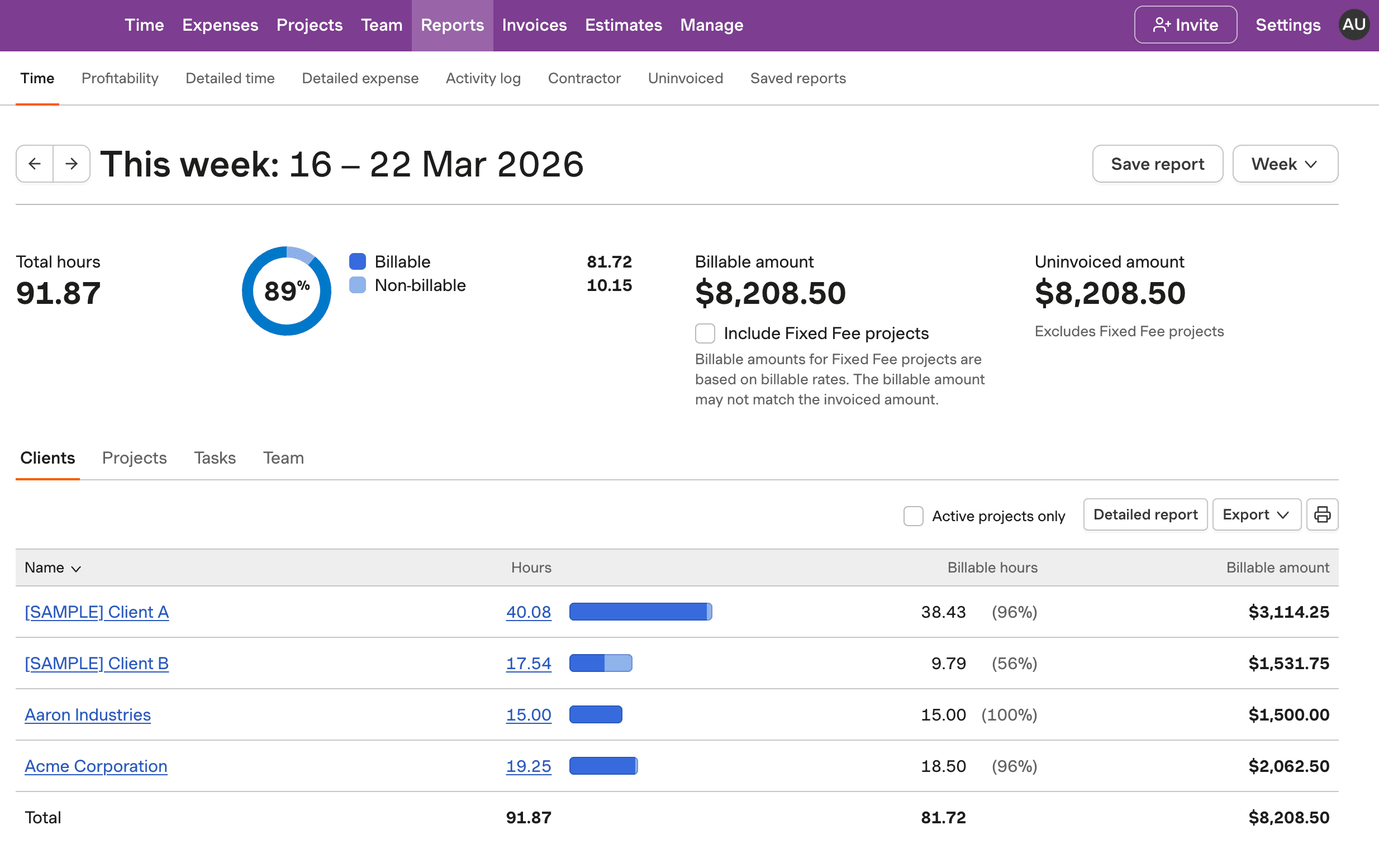
Harvest offers detailed project time tracking, ensuring accurate work hour records, though not specifically for break times.

Screenshot showing Harvest time tracking features for accurate record-keeping.

Track Break Time FAQs

  • Employers can ensure compliance with break time laws by implementing robust tracking systems that require employees to clock out for breaks, maintaining digital records, and staying informed about state-specific regulations. Regular audits and training sessions for employees and managers are also essential.

  • Paid breaks are short rest periods, typically less than 20 minutes, that must be compensated as work time. Unpaid breaks can be meal periods over 30 minutes where employees are relieved of duties. If any work is done during these breaks, they must be paid.

  • Look for features like real-time tracking, automated alerts for missed breaks, integration with payroll systems, and mobile accessibility. These ensure compliance, accurate payroll processing, and ease of use for employees.

  • Yes, many modern break time tracking solutions offer seamless integration with payroll systems. This ensures that all recorded break times are accurately reflected in payroll calculations, reducing administrative burdens and ensuring compliance with compensation laws.

  • Accurate break time tracking is crucial for compliance with labor laws, preventing wage disputes, and optimizing payroll accuracy. It also helps manage labor costs by preventing "time theft" and improving employee morale by ensuring fair work conditions.

  • State laws can impose stricter requirements than federal guidelines, mandating specific break durations and conditions. Employers must adhere to these state-specific regulations to avoid penalties and ensure compliance.

  • Best practices include developing clear written policies, using reliable tracking systems for clock-ins/outs, conducting regular compliance reviews, and providing training for employees and managers. These steps ensure consistent and compliant break management.