Sign up free
The Essentials of Billable Hours: Defining Your Value
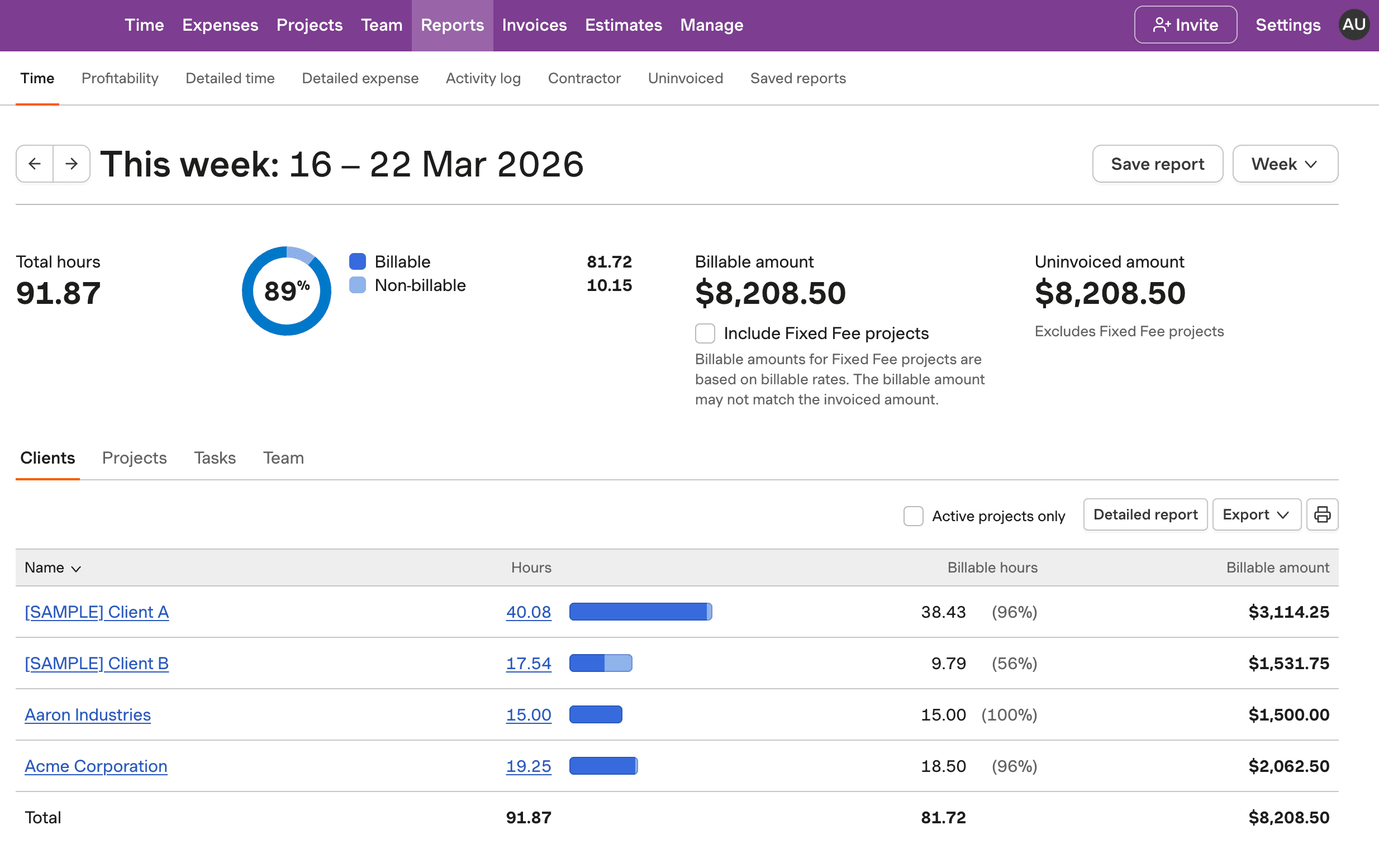
Understanding billable hours is crucial for professionals who charge clients based on time spent on projects. Billable hours refer to the time spent on tasks directly related to client work, such as meetings, research, and communication, which can be invoiced. On the other hand, non-billable hours involve internal activities like administrative tasks and training that cannot be charged to clients. Accurately distinguishing between these ensures transparency and maximizes revenue.
Many industries, especially legal services, utilize the 6-minute increment method for billing, also known as 0.1 hours. This standard helps balance client fairness and revenue capture. Firms using this method can see a 15-20% increase in revenue compared to those using 15-minute increments. For instance, a firm with a $350 hourly rate might capture an additional $500,000 to $750,000 annually by adopting 6-minute increments.
To avoid losing billable hours, professionals should track time in real-time rather than relying on end-of-day or week estimates. Delayed tracking often results in a 10-25% under-billing. Harvest, a leading time tracking tool, offers one-click timers and manual entry options that facilitate precise tracking, ensuring professionals don't miss out on billable time.