
Harvest
Time Tracking
Sign up free

Project Portfolio Management Software

Harvest is a project management tool providing real-time visibility into project budgets and resource utilization, helping businesses track financial performance effectively.

Try Harvest Free

Will this project be profitable?

Estimate your project cost, set the right price, and know exactly how many hours your team can spend before margin disappears.

Total hours across all team members
$
Average rate across all roles on the project
15%
Scope creep is real. Most projects need 10-25% buffer to stay profitable.
Recommended project price $0
Base cost (before buffer) $0
Hours per person per week 0h
Weekly burn rate $0
Max hours before loss 0h

Track project hours with Harvest

Walk through the entire flow below. Start a timer, check your reports, and create a real invoice — all in three clicks.

Go ahead — start tracking!

One click and you're timing. Try it right here: start a timer, add an entry, edit the details. This is exactly how it feels in Harvest.

  • One-click timer from browser, desktop & mobile
  • Works inside Jira, Asana, Trello, GitHub & 50+ tools
  • Duration or start/end — your call
  • Day, week & calendar views to stay on top of it all
  • Friendly reminders so no hour gets left behind
Acme Corp
Website Redesign
Homepage layout revisions
1:24:09
Content Strategy
Blog calendar planning
1:30:00
SEO Audit
Technical audit report
0:45:00
Brand Guidelines
Color system documentation
2:15:00
Logo Concepts
Initial sketches round 1
1:00:00

The Strategic Imperative of Project Portfolio Management Software

Project portfolio management (PPM) software is essential for organizations aiming to align projects with strategic objectives and optimize resource utilization. A striking 25% increase in project success rates is reported by organizations using these tools, underscoring their value in achieving business goals. Without PPM, many projects face challenges such as misalignment with strategic goals and budget overruns, with 33% experiencing scope creep.

PPM software provides a comprehensive overview of all projects, aiding better decision-making and resource allocation. As the global PPM market expands, predicted to reach USD 19.08 billion by 2035, the adoption of strategic tools is crucial for businesses to remain competitive and efficient in managing complex project environments.
Core Features and Functionality of Modern PPM Solutions

Modern project portfolio management solutions offer a range of features designed to enhance project efficiency and strategic alignment. Key functionalities include strategic alignment tools, which ensure that all projects contribute to overarching business objectives, and comprehensive dashboards that provide real-time analytics and reporting. These tools are crucial for managing resources and risks effectively.

Additionally, collaboration and communication features support dispersed teams, while scalability and integration capabilities ensure seamless operation with existing enterprise systems, such as ERP and CRM. Financial management tools also play a pivotal role, offering real-time cost tracking and forecasting capabilities, which help in maintaining budget adherence and preventing unexpected financial shortfalls.

AI's Transformative Impact on PPM: Prioritization and Optimization

Artificial intelligence (AI) is revolutionizing project portfolio management by enhancing prioritization and optimization processes. AI-driven data analysis allows for informed project selection, scoring, and ranking based on strategic alignment and potential ROI, which improves project success rates by 25%. This capability is particularly vital for resource optimization, as AI can intelligently allocate personnel and predict resource needs, minimizing bottlenecks.

Furthermore, AI's predictive analytics enhance risk management by forecasting potential project outcomes and identifying early risks. By 2030, it's anticipated that AI could automate 80% of PMO tasks, allowing project managers to focus on strategic decision-making rather than routine administrative tasks.

Navigating PPM Software Selection and Implementation

Selecting the right PPM software involves understanding various pricing models, including subscription, freemium, and perpetual licenses. Key considerations include the organization's size, specific project management needs, and integration requirements with existing tools. Successful implementation requires clear objectives, a well-defined project intake process, and ongoing stakeholder engagement.

Measuring the return on investment (ROI) from PPM software is crucial. Organizations should define success metrics and track key performance indicators such as resource utilization, on-time delivery, and budget adherence. With the market for cloud-based solutions expected to capture 41.66% market share by 2026, selecting a scalable and flexible PPM tool is more important than ever.

The Future Landscape of Project Portfolio Management

The future of project portfolio management is characterized by continued growth and technological integration, particularly in cloud-based and AI-powered solutions. As the market grows, predicted to reach USD 10.35 billion by 2034, industries such as manufacturing, financial services, and IT are leading in adoption.

The evolving role of project professionals in AI-driven environments highlights the need for ethical considerations and governance. As AI becomes more integrated into PPM, organizations must ensure that automated processes align with ethical standards and contribute positively to project outcomes and organizational goals.

Discover Harvest for Project Management

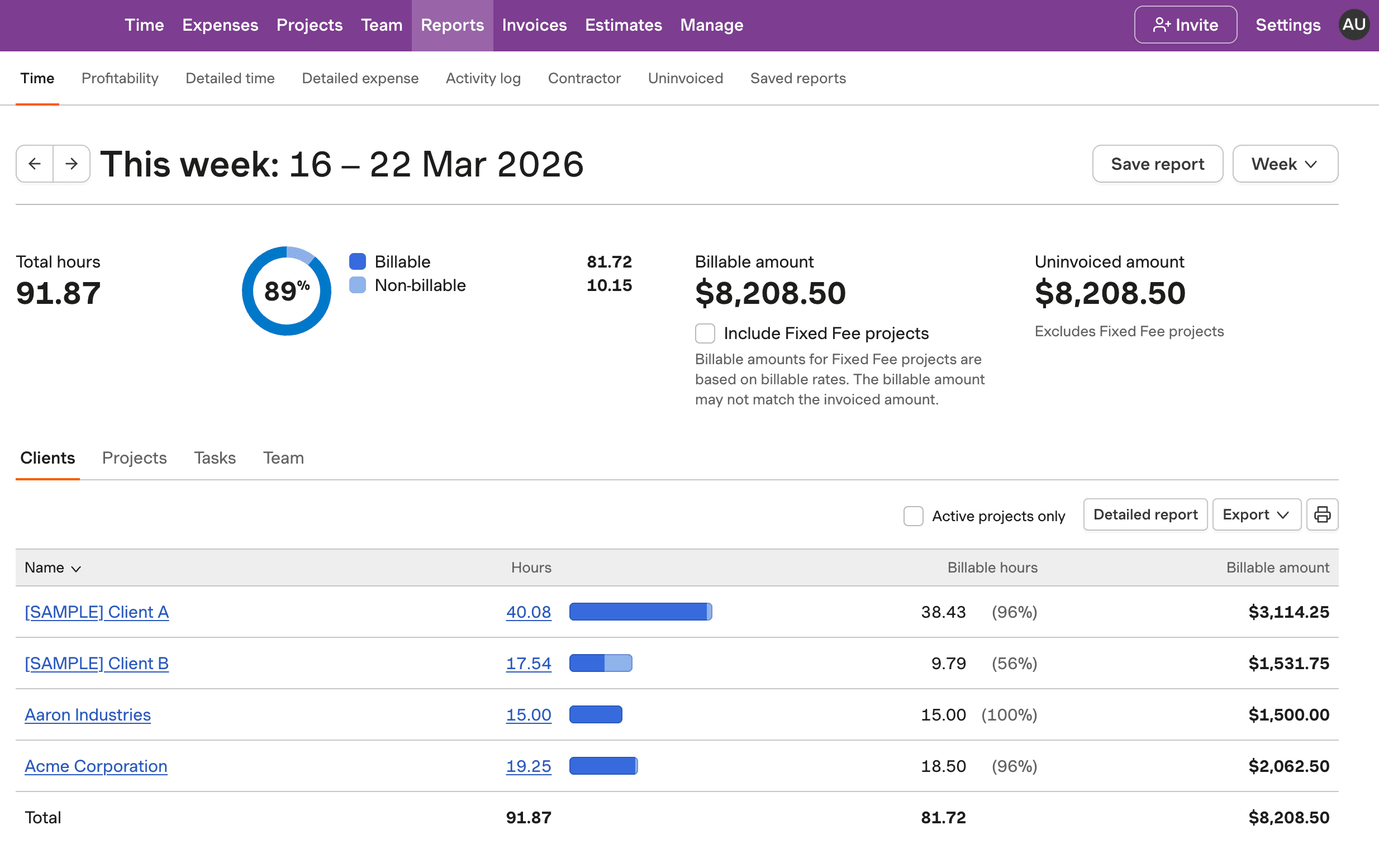
This preview shows Harvest's dashboard for real-time budget and resource tracking, enhancing project management efficiency.

Harvest project portfolio management software dashboard

Project Portfolio Management Software FAQs

  • Project portfolio management (PPM) software provides a holistic view of projects to improve decision-making, resource optimization, and alignment with business objectives. It helps organizations manage multiple projects efficiently, increasing success rates by 25%.

  • AI enhances project prioritization by analyzing data to select and rank projects based on strategic alignment, risk, and potential ROI. This leads to a 25% improvement in project success rates and optimizes resource allocation.

  • Key features of PPM software include strategic alignment tools, dashboards with real-time analytics, scenario planning, resource management, risk management, and financial tracking. Look for tools that integrate with existing systems like ERP and CRM.

  • Harvest supports project portfolio management by providing real-time visibility into project budgets and progress, which aids in tracking financial performance and resource utilization. It helps maintain budget adherence and optimize resource use.

  • PPM software enhances strategic alignment, improves decision-making, optimizes resource utilization, and increases project success rates by 25%. It addresses challenges like misaligned projects and budget overruns, common in organizations without PPM.

  • Measure the ROI of PPM software by defining success metrics and tracking KPIs such as resource utilization, on-time delivery, and budget adherence. Quantify efficiency gains and cost savings over time to assess the software's impact.

  • Common challenges include misaligned projects, resource bottlenecks, and budget overruns, with 33% of projects experiencing scope creep. PPM software helps overcome these by providing strategic alignment, resource management, and budget tracking features.

  • AI improves resource optimization by intelligently allocating personnel, predicting resource needs, and identifying potential bottlenecks in real-time. This leads to more efficient resource use and better project outcomes.

  • The deployment of PPM software is shifting towards cloud-based solutions, expected to capture 41.66% of the market by 2026. This trend is driven by the flexibility, scalability, and cost-effectiveness of cloud-based platforms.