
Harvest
Time Tracking
Sign up free

Break Calculator for Wisconsin

Harvest is a time tracking and invoicing tool that helps teams and freelancers accurately log their time and manage projects efficiently, ensuring no billable hour is lost.

Try Harvest Free

What's your real hourly rate?

Convert between annual salary and hourly rate — adjusted for actual working weeks, hours, and benefits. Compare job offers on equal terms.

$
52 minus vacation and holidays. US average: 49-50 weeks.
20%
Health insurance, 401k match, PTO value. Typical range: 15-30% of salary.
Equivalent hourly rate $0
With benefits value $0
Monthly gross $0
Weekly gross $0
Daily gross $0

Track what your time is worth

Walk through the entire flow below. Start a timer, check your reports, and create a real invoice — all in three clicks.

Go ahead — start tracking!

One click and you're timing. Try it right here: start a timer, add an entry, edit the details. This is exactly how it feels in Harvest.

  • One-click timer from browser, desktop & mobile
  • Works inside Jira, Asana, Trello, GitHub & 50+ tools
  • Duration or start/end — your call
  • Day, week & calendar views to stay on top of it all
  • Friendly reminders so no hour gets left behind
Acme Corp
Website Redesign
Homepage layout revisions
1:24:09
Content Strategy
Blog calendar planning
1:30:00
SEO Audit
Technical audit report
0:45:00
Brand Guidelines
Color system documentation
2:15:00
Logo Concepts
Initial sketches round 1
1:00:00

Understanding Wisconsin's General Break Laws for Adult Employees

In Wisconsin, adult employees face a unique landscape regarding break times, as state law does not mandate meal or rest breaks. However, if employers choose to offer short breaks — typically under 30 minutes — these must be compensated as paid work time, aligning with the federal Fair Labor Standards Act (FLSA). This ensures employees are not financially disadvantaged when taking short breaks during their workday. Meal breaks that are 30 minutes or longer can be unpaid, provided the employee is completely relieved from duties and free to leave the work premises. If duties are performed during this time, such as answering phone calls, the break must be paid.

Additionally, employers in Wisconsin cannot legally deduct wages for authorized breaks shorter than 30 minutes. This regulation protects employees' rights and ensures fair compensation for time worked. Employers are encouraged to offer meal breaks around usual meal times or the middle of a shift to maintain employee productivity and satisfaction, although this is not a legal requirement. It is also permissible for adult employees in numerous industries to work seven consecutive days without a mandated day off.
Special Provisions for Minor Employees in Wisconsin

Minors working in Wisconsin are subject to stricter break regulations compared to their adult counterparts. For those under 18, a 30-minute, duty-free meal break is mandatory if they work more than six consecutive hours. This break should ideally align with typical meal times, ensuring young workers have sufficient time to rest and recharge. Additionally, minors aged 16 or 17 who work beyond 11:00 PM are required to have at least 8 hours of rest before starting their next work shift, promoting healthier work-life balance and ensuring their academic commitments are not compromised.

Furthermore, minors under 16 face more stringent restrictions on their working hours and are typically not permitted to work more than six days a week. Employers must monitor the schedules of minor employees to ensure compliance with these laws, safeguarding the well-being of young workers and adhering to state regulations. These provisions underscore the importance of protecting younger workers and ensuring their safety and health are prioritized in the workplace.

Lactation Accommodation Rights for Nursing Mothers

In Wisconsin, nursing mothers are entitled to reasonable break time to express breast milk for their child under one year old. Employers are required to provide a private space, other than a bathroom, that is shielded from view and free from intrusion for this purpose. This space must also offer access to an electrical outlet, running water, and refrigeration to store breast milk. These accommodations ensure that nursing mothers can manage their responsibilities without undue stress or inconvenience.

While these breaks can be unpaid, they must be given unless the employee is not completely relieved from duty. Smaller employers, those with fewer than 50 employees, may claim exemption if compliance poses an undue hardship. This policy reflects a commitment to supporting working mothers and promoting a family-friendly workplace environment. By providing these accommodations, employers help nursing mothers balance their professional duties with their childcare responsibilities effectively.

Navigating Federal and State Overlap: Industry-Specific Rules

Wisconsin's break laws intersect with federal regulations, particularly for industries like transportation and healthcare. For example, commercial truck drivers must adhere to federal Hours of Service (HOS) rules, which mandate a 30-minute break after eight hours of driving. These industry-specific rules ensure safety and compliance with national standards, reflecting the importance of rest in maintaining both efficiency and safety.

For employers in the healthcare and retail sectors, Wisconsin's "One Day of Rest in Seven" law applies, entitling employees to one day off per calendar week. This differs from the federal guidelines and highlights the necessity for employers to be vigilant about both state and federal requirements. Establishing clear break policies and compliance systems is crucial for maintaining operational efficiency and avoiding potential penalties. Employers must remain aware of these overlapping laws to ensure they meet all regulatory requirements and foster a compliant workplace.

Break Calculator for Wisconsin with Harvest

Use Harvest to calculate take-home pay in Wisconsin. Accurately log hours and manage projects for optimal income.

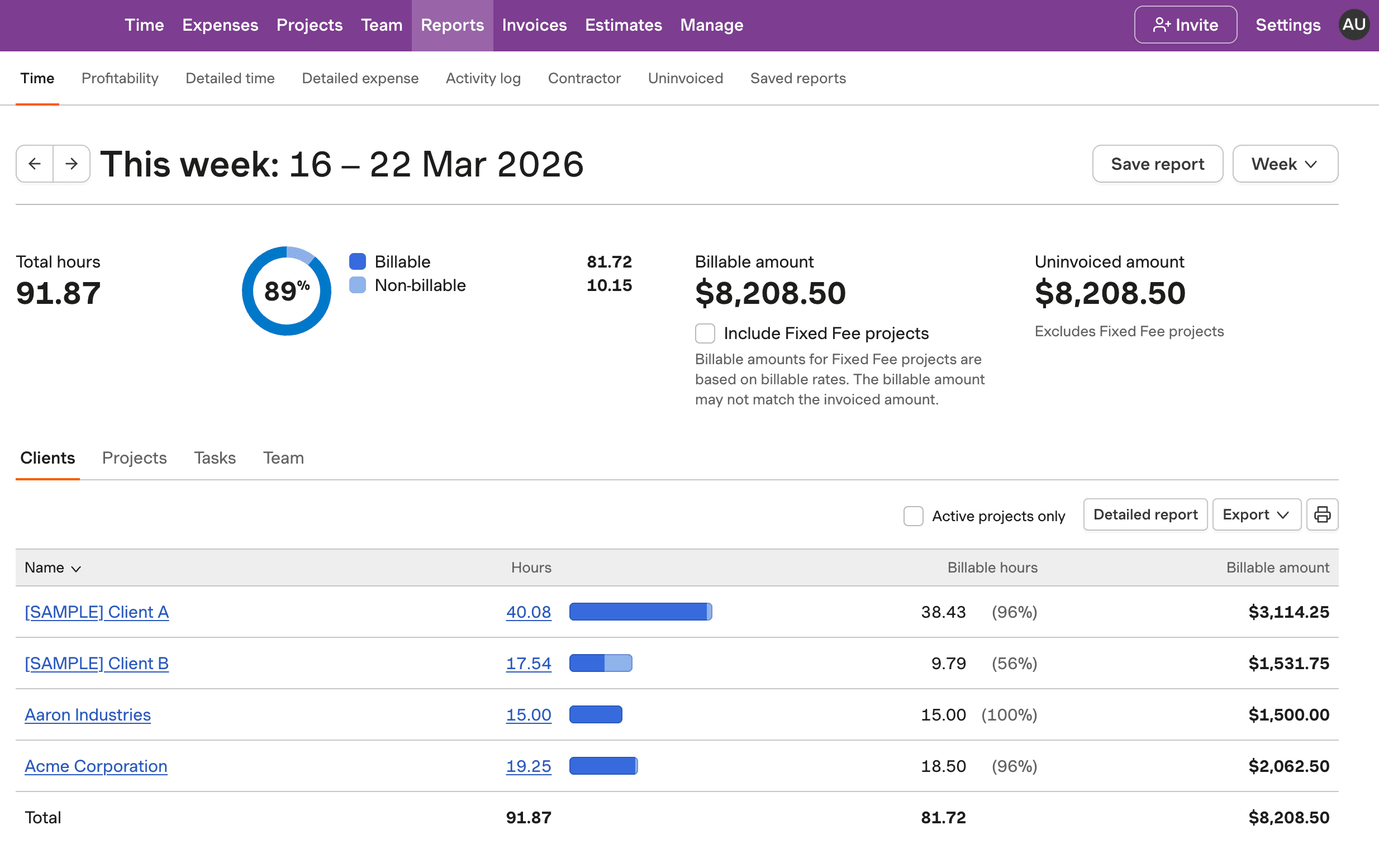
Harvest time tracking dashboard showcasing Wisconsin break calculations

Break Calculator for Wisconsin FAQs

  • Breaks under 30 minutes must be paid if offered. Breaks over 30 minutes can be unpaid if the employee is completely relieved of duties and free to leave the premises.

  • Minors working over six consecutive hours must receive a 30-minute duty-free meal break. This ensures they have time to rest during their shifts.

  • Yes, nursing mothers are entitled to reasonable break time and a private space to express milk for up to one year after childbirth. These breaks can be unpaid unless duties are performed during them.

  • While Wisconsin doesn't mandate breaks for adults, federal FLSA rules require that short breaks, when offered, must be paid. This ensures compliance with federal standards.

  • If employees work during their lunch break, the time must be paid. Employers cannot require unpaid meal breaks if duties are performed.

  • This law requires employees in factory and retail settings to have one day off per calendar week, ensuring they receive regular rest time.