
Harvest
Time Tracking
Sign up free

Break Time Calculator in the Middle East

Harvest streamlines time tracking and invoicing, making it easy to manage work hours and breaks even with the Middle East's complex labor laws.

Try Harvest Free

How many hours did you work this week?

Enter your clock-in and clock-out times for each day. The calculator handles breaks, overtime, and weekly totals automatically.

Day Clock In Clock Out Break Hours
Total hours this week 0h
Regular hours (≤40) 0h
Overtime hours 0h
Average hours/day 0h
Total break time 0h

Track time automatically with Harvest

Walk through the entire flow below. Start a timer, check your reports, and create a real invoice — all in three clicks.

Go ahead — start tracking!

One click and you're timing. Try it right here: start a timer, add an entry, edit the details. This is exactly how it feels in Harvest.

  • One-click timer from browser, desktop & mobile
  • Works inside Jira, Asana, Trello, GitHub & 50+ tools
  • Duration or start/end — your call
  • Day, week & calendar views to stay on top of it all
  • Friendly reminders so no hour gets left behind
Acme Corp
Website Redesign
Homepage layout revisions
1:24:09
Content Strategy
Blog calendar planning
1:30:00
SEO Audit
Technical audit report
0:45:00
Brand Guidelines
Color system documentation
2:15:00
Logo Concepts
Initial sketches round 1
1:00:00

Understanding Middle East Labor Laws for Work Hours and Breaks

In the Middle East, labor laws governing work hours and break times are crucial for ensuring compliance and maintaining employee welfare. Most countries in the region, including the UAE, Saudi Arabia, and Qatar, cap standard working hours at 8 hours per day and 48 hours per week. This standard is designed to protect workers from excessive hours and ensure they receive adequate rest. For example, in Saudi Arabia, employees are entitled to a minimum of 30 minutes break for each 5 hours worked, ensuring they have time to rest and eat without exceeding the legal work hour limits.

Understanding these regional regulations is essential for employers and employees alike. Non-compliance can result in penalties, and failure to provide adequate breaks can lead to decreased productivity and morale. By being informed of the specific labor laws in each country, businesses can optimize their workforce management practices and ensure that they are in line with local legal requirements.
How to Calculate Breaks and Overtime in the Middle East

Calculating breaks and overtime in the Middle East requires a nuanced understanding of local labor laws. For instance, companies in Egypt are required to provide a minimum break of 30 minutes for every 6 hours worked. Additionally, any work performed beyond the standard 48-hour workweek may qualify as overtime, for which employees are entitled to additional compensation at a rate of 1.5 times the regular pay.

To ensure compliance, businesses should leverage tools like Harvest, which, although not specifically tailored to regional labor laws, allows for flexible time tracking that can be adapted to various industry needs. By manually tracking overtime hours and assigning different billable rates, Harvest users can effectively manage and calculate overtime pay, ensuring that all work is appropriately compensated.

Choosing the Right Tool for Break Time Calculation

When selecting a tool for calculating break times in the Middle East, it's important to choose one that is user-friendly and adaptable to local requirements. While Harvest offers comprehensive time tracking features, it is crucial to understand that it does not provide automated compliance with regional labor laws. However, its capabilities in tracking flexible hours and managing projects can be leveraged to manually ensure adherence to local standards.

For businesses operating in countries like Saudi Arabia and Egypt, where labor laws are stringent and penalties for non-compliance can be severe, a tool that allows for easy manual adjustments and detailed reporting is invaluable. Harvest provides detailed reports on time and expenses, enabling businesses to maintain transparency and accuracy in their workforce management.

The Importance of Accurate Time Tracking in the Middle East

Accurate time tracking in the Middle East is not just about meeting legal requirements; it also plays a pivotal role in optimizing productivity and managing labor costs. With the average error rate in manual timesheets being as high as 80%, using a reliable tool like Harvest can significantly enhance accuracy and efficiency. Harvest's one-click start/stop timers ensure that every minute worked is accounted for, which is vital in countries where regulations mandate strict adherence to prescribed work hours and break times.

Moreover, detailed time reports allow businesses to analyze team utilization and identify areas for improvement. This data-driven approach helps in making informed decisions that can lead to better resource allocation and increased profitability, particularly in industries with high labor costs.

Harvest: Break Time Calculator for the Middle East

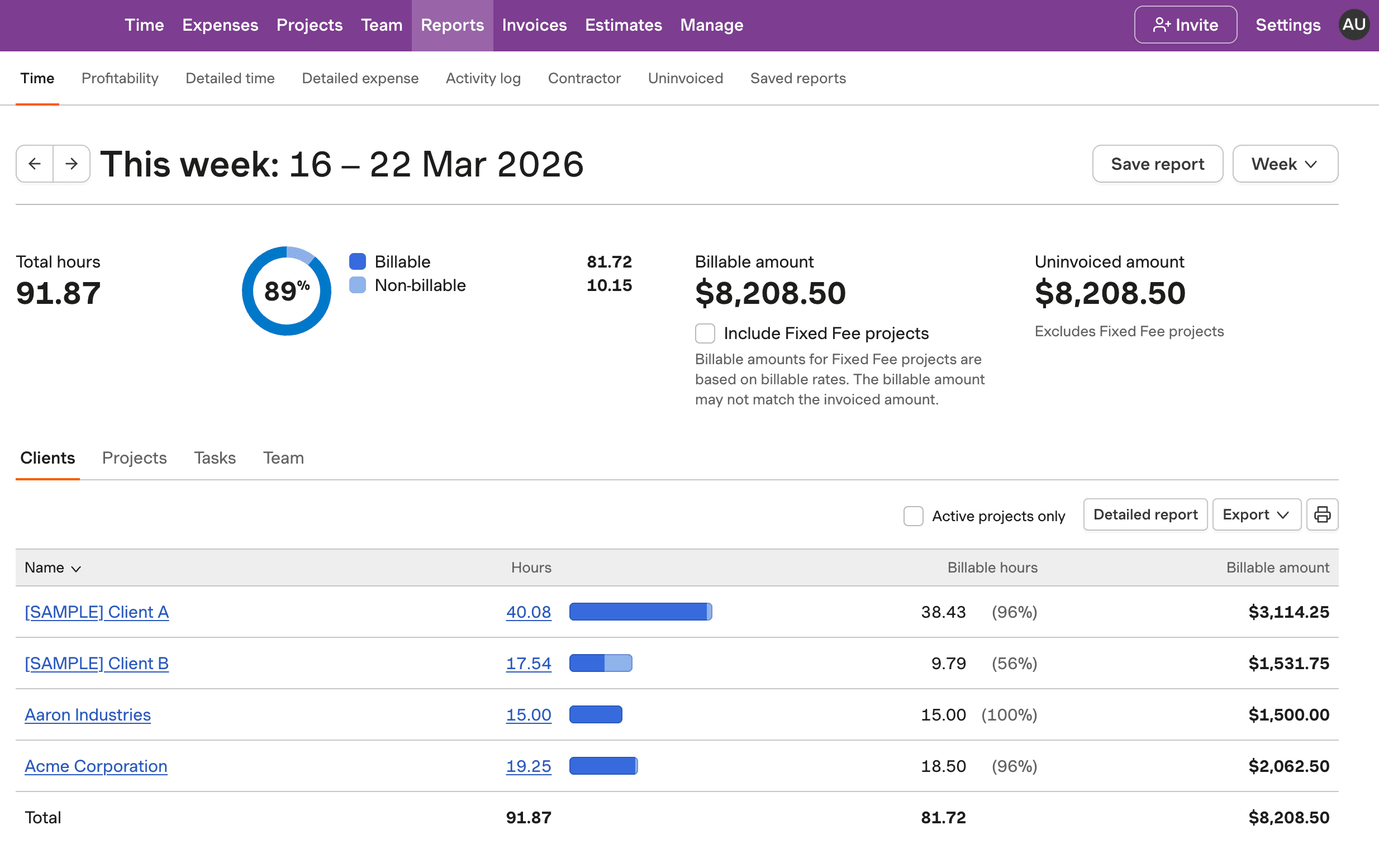
See how Harvest helps manage work hours and breaks according to Middle East labor laws, ensuring compliance and productivity.

Harvest interface showing time tracking and break calculation for Middle East regulations.

Break Time Calculator in the Middle East FAQs

  • Standard working hours in the Middle East typically cap at 8 hours per day and 48 hours per week in countries like the UAE, Saudi Arabia, and Qatar. This regulation is designed to ensure fair labor practices and worker well-being across the region.

  • Calculating break times requires familiarity with specific regional laws. For example, in Saudi Arabia, a 30-minute break is required for every 5 hours worked. It's important to adapt your time tracking to these rules to ensure compliance.

  • While Harvest does not automate compliance with Middle East labor laws, it offers flexible time tracking that can be tailored to meet local requirements. Users can manually configure breaks and overtime rates according to regional standards.

  • Tools like Harvest can assist in calculating overtime pay by allowing users to set different billable rates for overtime hours. This flexibility helps ensure that employees are compensated fairly according to local laws.

  • When tracking hours in the Middle East, consider regional labor laws on standard work hours, required break times, and overtime pay. Accurate tracking tools like Harvest can help you manage these elements effectively.

  • Harvest's flexible time tracking features are ideal for industries with varying shift patterns, such as retail and construction. It allows users to easily log hours, manage shifts, and adapt to the dynamic needs of these sectors.

  • Yes, Harvest offers mobile apps for iOS and Android, enabling users to track work hours and breaks on the go. This accessibility ensures that time tracking can be maintained efficiently from any location.