
Harvest
Time Tracking
Sign up free

Project Budget Tracker in Romania

Struggling with project budget tracking in Romania? Harvest offers tools to streamline compliance and financial management in the Romanian market.

Try Harvest Free

Will this project be profitable?

Estimate your project cost, set the right price, and know exactly how many hours your team can spend before margin disappears.

Total hours across all team members
$
Average rate across all roles on the project
15%
Scope creep is real. Most projects need 10-25% buffer to stay profitable.
Recommended project price $0
Base cost (before buffer) $0
Hours per person per week 0h
Weekly burn rate $0
Max hours before loss 0h

Track project hours with Harvest

Walk through the entire flow below. Start a timer, check your reports, and create a real invoice — all in three clicks.

Go ahead — start tracking!

One click and you're timing. Try it right here: start a timer, add an entry, edit the details. This is exactly how it feels in Harvest.

  • One-click timer from browser, desktop & mobile
  • Works inside Jira, Asana, Trello, GitHub & 50+ tools
  • Duration or start/end — your call
  • Day, week & calendar views to stay on top of it all
  • Friendly reminders so no hour gets left behind
Acme Corp
Website Redesign
Homepage layout revisions
1:24:09
Content Strategy
Blog calendar planning
1:30:00
SEO Audit
Technical audit report
0:45:00
Brand Guidelines
Color system documentation
2:15:00
Logo Concepts
Initial sketches round 1
1:00:00

Navigating Project Budgeting in Romania: Regulatory Landscape

Understanding the regulatory landscape is crucial for effective project budgeting in Romania. Romanian accounting practices are governed by key laws such as Accounting Law No. 82/1991 and OMFP 1802/2014, ensuring alignment with European directives. Companies must also adhere to the Romanian Tax Code, which specifies a 16% corporate income tax and a micro-enterprise tax of 1% or 3% based on revenue thresholds. Additionally, the introduction of the Minimum Turnover Tax (MTT) from 2024 for large firms underscores the importance of compliance to avoid financial penalties.

Businesses must also navigate mandatory digital reporting requirements. The RO e-Invoice system for B2B transactions is compulsory from July 2024, complementing SAF-T reporting obligations. It's vital for financial statements to be prepared in accordance with OMFP 1802/2014 or IFRS, depending on the entity's reporting needs. Fiscal year alignment and audit thresholds further dictate financial record-keeping practices, with records required for at least five years.
Essential Features of a Romanian Project Budget Tracker

A project budget tracker tailored for Romania must integrate seamlessly with Romanian banks, supporting real-time transaction synchronization through Open Banking. This capability allows businesses to automate the import of transactions and maintain an accurate financial overview. Additionally, native support for the Romanian Leu (RON) and robust multi-currency management are essential for projects that span international boundaries.

Customizable reporting and analytics are crucial to align with Romanian accounting standards and tax categories. Features such as automated expense tracking, cost allocation, and forecasting are tailored to meet local business needs, including compliance with e-invoicing and other digital tax reporting obligations. By leveraging these features, businesses can ensure they meet local regulatory demands while optimizing financial performance.

Best Practices for Effective Project Budget Management in Romania

Implementing best practices in project budget management is key to success in Romania. A structured budgeting cycle that includes detailed estimation, resource planning, and continuous monitoring helps businesses stay on track. Real-time budget tracking and variance analysis are essential to prevent cost overruns and maintain financial health.

Ensuring data accuracy and integrity through automated processes and regular reconciliation can significantly reduce errors. Harvest, a time tracking and invoicing tool, can assist by offering detailed reports and automated tracking features, streamlining compliance with Romanian tax and accounting regulations. For multi-currency projects, managing foreign exchange risks is critical, and using the right tools can mitigate these challenges efficiently.

Project Budget Tracker with Harvest

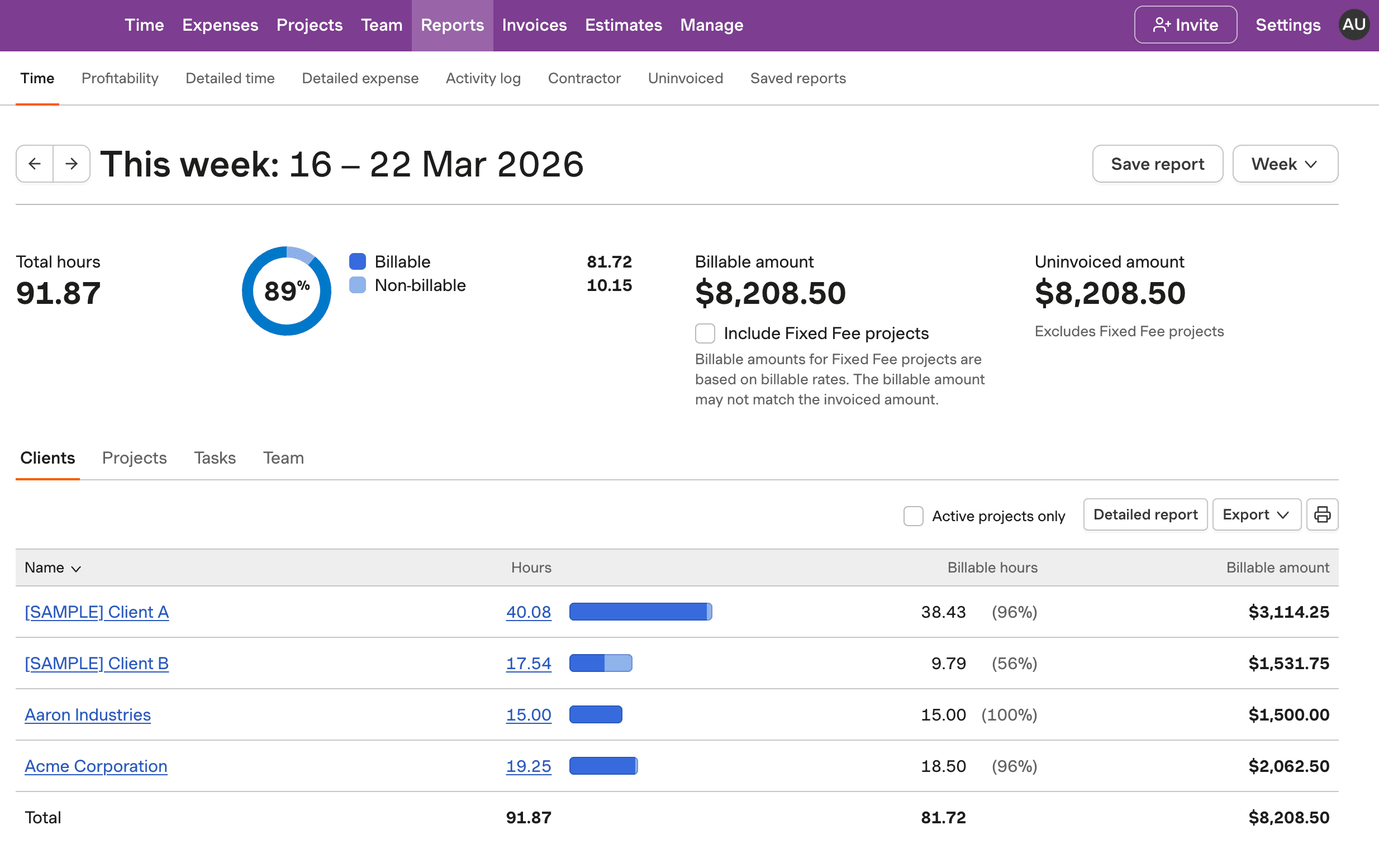
Explore Harvest's project budget tracker, designed for Romania, offering integration with local banks and RON support.

Screenshot of Harvest's project budget tracker tailored for Romania.

Project Budget Tracker in Romania FAQs

  • Many budgeting tools integrate with major Romanian banks using Open Banking technology. This allows for automatic synchronization of accounts, transactions, and balances, providing an accurate financial overview at any time.

  • The Romanian Tax Code outlines key regulations, including a 16% corporate income tax and specific rates for micro-enterprises. Compliance with digital reporting systems like RO e-Invoice is also mandatory from July 2024.

  • Yes, effective project budget trackers support the Romanian Leu (RON), ensuring accurate financial management for local and international projects. They also offer multi-currency management capabilities.

  • Harvest offers project budget tracking tools that help manage finances by integrating with local banks and supporting the Romanian Leu. Its features streamline compliance and optimize financial performance.

  • Best practices include implementing a structured budgeting cycle, real-time tracking, and ensuring compliance with local regulations. Automated tools like Harvest can help maintain data accuracy and facilitate compliance.

  • Yes, many budgeting tools support Romanian e-invoicing requirements, including the mandatory RO e-Invoice system for B2B transactions. This ensures compliance with local tax laws.

  • Project budgeting tools often support multi-currency management, allowing businesses to designate a primary currency and manage foreign transactions efficiently. Regular reconciliation of exchange rates is recommended.