
Harvest
Time Tracking
Sign up free

Double Time Calculator in the Middle East

Struggling with complex overtime rules in the Middle East? Harvest simplifies double time calculations, ensuring compliance with regional labor laws.

Try Harvest Free

What will your overtime pay be?

Calculate regular and overtime earnings based on your hours and rate. Supports standard time-and-a-half and double-time multipliers.

$
Standard is 40 hours/week (FLSA threshold)
1.5x
1.5x = time and a half (most common). 2x = double time (CA after 12h, holidays).
Some states require 2x pay after 12 hours/day or on 7th consecutive day.
Total gross pay $0
Regular pay $0
Overtime pay (1.5x) $0
Double-time pay (2x) $0
Effective hourly rate $0

Track overtime hours with Harvest

Walk through the entire flow below. Start a timer, check your reports, and create a real invoice — all in three clicks.

Go ahead — start tracking!

One click and you're timing. Try it right here: start a timer, add an entry, edit the details. This is exactly how it feels in Harvest.

  • One-click timer from browser, desktop & mobile
  • Works inside Jira, Asana, Trello, GitHub & 50+ tools
  • Duration or start/end — your call
  • Day, week & calendar views to stay on top of it all
  • Friendly reminders so no hour gets left behind
Acme Corp
Website Redesign
Homepage layout revisions
1:24:09
Content Strategy
Blog calendar planning
1:30:00
SEO Audit
Technical audit report
0:45:00
Brand Guidelines
Color system documentation
2:15:00
Logo Concepts
Initial sketches round 1
1:00:00

Understanding Double Time Pay in the Middle East

Double time pay refers to the compensation employees receive for working overtime hours, particularly in the Middle East where labor laws vary by country. In the UAE, Saudi Arabia, Qatar, Bahrain, Oman, and Kuwait, the standard working hours are typically 8 hours per day or 48 hours per week. However, during Ramadan, this is reduced to 6 hours per day or 36 hours per week for Muslim employees. Understanding these regulations is crucial for accurate payroll calculations.

Overtime pay rates differ across these countries. For example, in the UAE, Qatar, Bahrain, Oman, and Kuwait, employees working beyond standard hours on normal days receive a minimum of 125% of their basic hourly rate. In Saudi Arabia, this rate is higher at 150% of the regular hourly wage. Night overtime, defined differently across these nations, is generally compensated at 150% of the basic hourly wage, showing the premium placed on night work.
Calculating Double Time Pay for Overtime Hours

Calculating double time pay involves understanding the specific overtime multipliers applicable in each Middle Eastern country. In the UAE, employees working overtime on a standard day are entitled to 125% of their basic hourly wage. However, if they work during night hours (10 PM to 4 AM), this increases to 150% unless they are on a rotating or night shift.

In Saudi Arabia, the process is slightly different, with a consistent 150% rate for any overtime worked. The intricacies of these calculations require careful attention to the labor laws, ensuring employees receive the correct compensation. Tools like Harvest can help manage these calculations by providing flexible manual tracking and rate adjustments tailored to regional requirements.

Navigating Overtime Regulations in the UAE

The UAE's labor laws stipulate specific provisions for overtime pay, making it essential for employers to be aware of these. During normal working days, employees earn 125% of their basic wage for overtime. For work done on weekly rest days or public holidays, the compensation can rise to 150% of the basic salary, with some interpretations suggesting up to 250% if no substitute day off is provided.

Night work, defined as work done between 10 PM and 4 AM, attracts a premium rate of 150% unless part of a standard shift. These rules ensure that employees are adequately compensated for their overtime contributions, especially during night shifts or public holidays.

How Ramadan Affects Overtime Pay Calculations

Ramadan introduces unique considerations for overtime pay calculations in the Middle East, particularly in Muslim-majority countries like the UAE. During Ramadan, the standard working hours are reduced by 2 hours per day for Muslim employees, capping at 6 hours per day or 36 hours per week. This reduction impacts how overtime is calculated.

Employers must ensure that any hours worked beyond these reduced limits are compensated at the appropriate overtime rates. For instance, in the UAE, overtime during Ramadan should still be paid at 125% of the basic hourly wage, ensuring compliance with labor laws while respecting religious customs.

Double Time Pay with Harvest

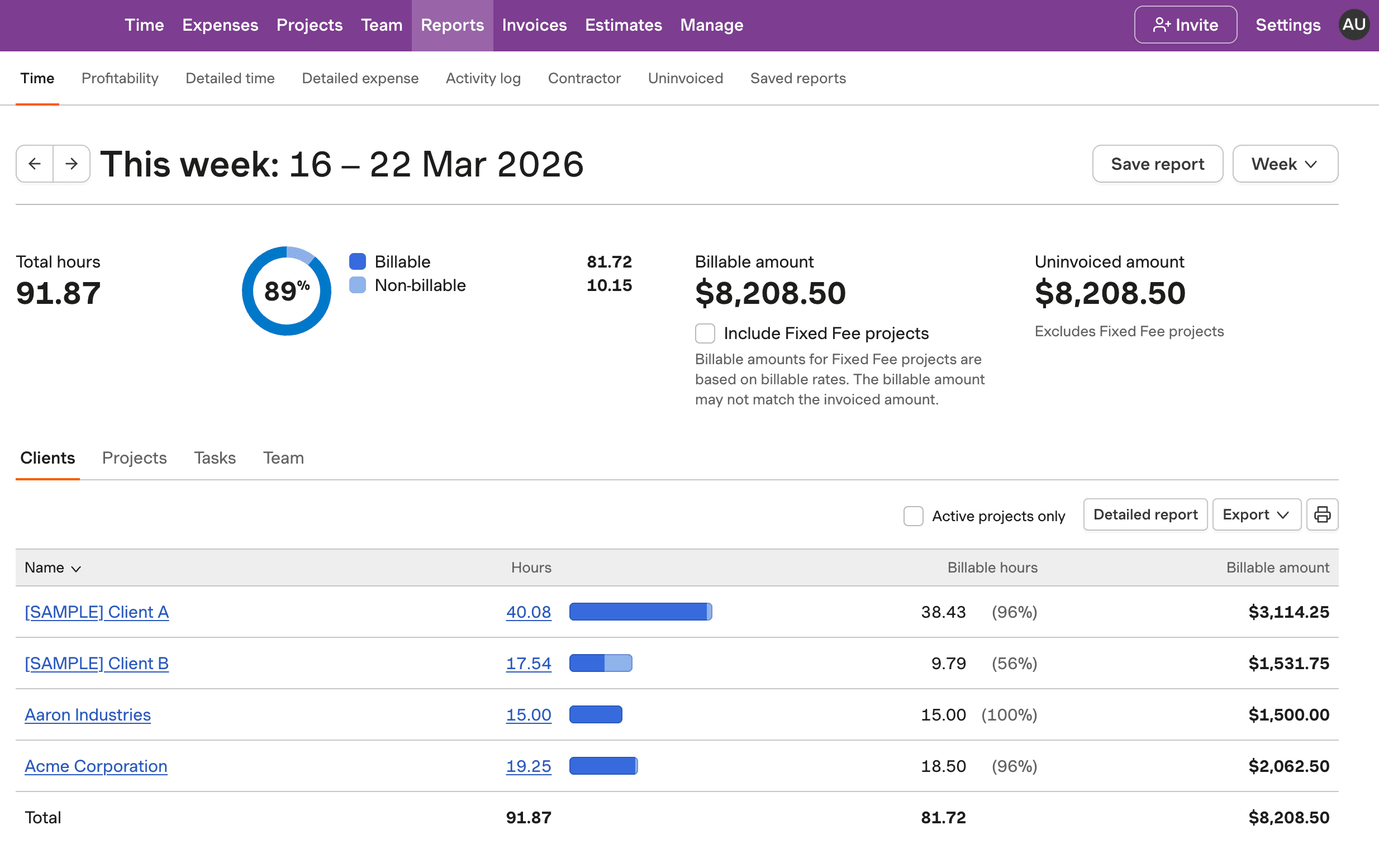
See how Harvest calculates double time pay according to Middle Eastern labor laws, ensuring accurate and compliant payroll.

Harvest's double time calculator interface for Middle East regulations

Double Time Calculator in the Middle East FAQs

  • In the Middle East, double time pay refers to the compensation for overtime hours, typically calculated as 125% to 150% of the regular hourly wage, depending on the country and time of work.

  • In the UAE, overtime on normal days is paid at 125% of the basic hourly rate, while night hours (10 PM to 4 AM) require 150%, unless part of a standard shift.

  • UAE regulations specify 125% pay for overtime on normal days. During public holidays, employees receive 150% of their basic salary, or up to 250% if no substitute day off is given.

  • Yes, while many countries like the UAE and Qatar offer 125% for normal overtime, Saudi Arabia provides a higher rate of 150% for all overtime hours.

  • During Ramadan, working hours are reduced by 2 hours for Muslim employees, impacting overtime calculations. Employers must pay overtime rates for hours worked beyond this limit.

  • Yes, Harvest allows flexible manual tracking and rate adjustments for overtime, helping you comply with specific regional and industry requirements.

  • Harvest integrates with popular payroll systems like QuickBooks and Xero, streamlining the process of managing time tracking and payroll calculations.