
Harvest
Time Tracking
Sign up free

Meal Break Calculator in the Middle East

Harvest is a time tracking tool that simplifies compliance with labor laws, ensuring accurate work hour records and helping you manage breaks efficiently.

Try Harvest Free

How many hours did you work this week?

Enter your clock-in and clock-out times for each day. The calculator handles breaks, overtime, and weekly totals automatically.

Day Clock In Clock Out Break Hours
Total hours this week 0h
Regular hours (≤40) 0h
Overtime hours 0h
Average hours/day 0h
Total break time 0h

Track time automatically with Harvest

Walk through the entire flow below. Start a timer, check your reports, and create a real invoice — all in three clicks.

Go ahead — start tracking!

One click and you're timing. Try it right here: start a timer, add an entry, edit the details. This is exactly how it feels in Harvest.

  • One-click timer from browser, desktop & mobile
  • Works inside Jira, Asana, Trello, GitHub & 50+ tools
  • Duration or start/end — your call
  • Day, week & calendar views to stay on top of it all
  • Friendly reminders so no hour gets left behind
Acme Corp
Website Redesign
Homepage layout revisions
1:24:09
Content Strategy
Blog calendar planning
1:30:00
SEO Audit
Technical audit report
0:45:00
Brand Guidelines
Color system documentation
2:15:00
Logo Concepts
Initial sketches round 1
1:00:00

Understanding Meal Break Laws Across the Middle East

In the Middle East, meal break regulations are pivotal for ensuring employee well-being and compliance with labor laws. Each country has specific rules regarding the duration and timing of breaks. For instance, in Bahrain, employees must receive at least a 30-minute break when working more than 6 hours consecutively. Similarly, Oman mandates a minimum 30-minute break for workdays exceeding 6 hours. In contrast, Kuwait requires a 60-minute break after 5 consecutive hours of work. These breaks are generally unpaid unless specified otherwise in employment contracts.

Paid versus unpaid breaks vary across the region. For example, in Bahrain and Saudi Arabia, breaks for meals and prayers are typically unpaid. In the UAE, while lunch breaks are usually not part of paid working hours, regulations ensure employees do not work more than 5 consecutive hours without a break. Understanding these nuances is critical for employers operating across multiple Middle Eastern countries.
Special Considerations: Ramadan and Summer Heat

Ramadan and extreme summer heat significantly impact work schedules and break requirements in the Middle East. During Ramadan, working hours are reduced for Muslim employees in many countries, with Bahrain and Kuwait limiting work to 36 hours per week. Employers often extend these reductions to all staff. For example, in the UAE, work hours are reduced by two hours daily for all employees during Ramadan, regardless of fasting status.

Furthermore, mandatory midday breaks are enforced during peak summer months to protect outdoor workers from heat stress. In the UAE, from June 15 to September 15, work is prohibited in direct sunlight between 12:30 PM and 3:00 PM. Similar regulations exist in Oman and Saudi Arabia. Employers must provide shaded rest areas and ensure workers have access to hydration and cooling devices, reflecting the commitment to employee health and safety during extreme conditions.

Ensuring Compliance: Best Practices for Employers

Compliance with meal break regulations in the Middle East requires proactive management and clear communication. Employers should regularly monitor legal changes and ensure all staff understand their rights regarding breaks. This includes training managers to enforce compliance and providing detailed schedules in accessible languages.

Adequate facilities are essential, particularly for outdoor workers during summer. Employers should offer shaded rest areas with cold drinking water and first aid supplies. Additionally, maintaining accurate records of working hours and breaks is crucial. In Kuwait, for instance, daily working hours and rest periods must be electronically submitted to the Public Authority of Manpower starting from November 2025, highlighting the increasing importance of digital compliance tools.

Industry-Specific Rules and Worker Protections

Certain industries in the Middle East have unique break requirements due to operational needs. In the UAE, sectors like hospitality and healthcare may have extended working hours with prior governmental approval. Meanwhile, recent regulations in Oman dictate that domestic workers may work up to 12 hours with a mandatory 8-hour rest period, excluding meal breaks.

Protections for minors are stricter, with countries like Bahrain and Oman limiting work to 6 hours per day with at least a 1-hour break. Non-compliance with these laws can lead to significant penalties, including fines and work permit suspensions, underscoring the importance of adhering to labor standards to safeguard worker rights and maintain operational integrity.

Track Middle East Meal Breaks with Harvest

Harvest helps manage meal break compliance across the Middle East by tracking work hours and breaks accurately.

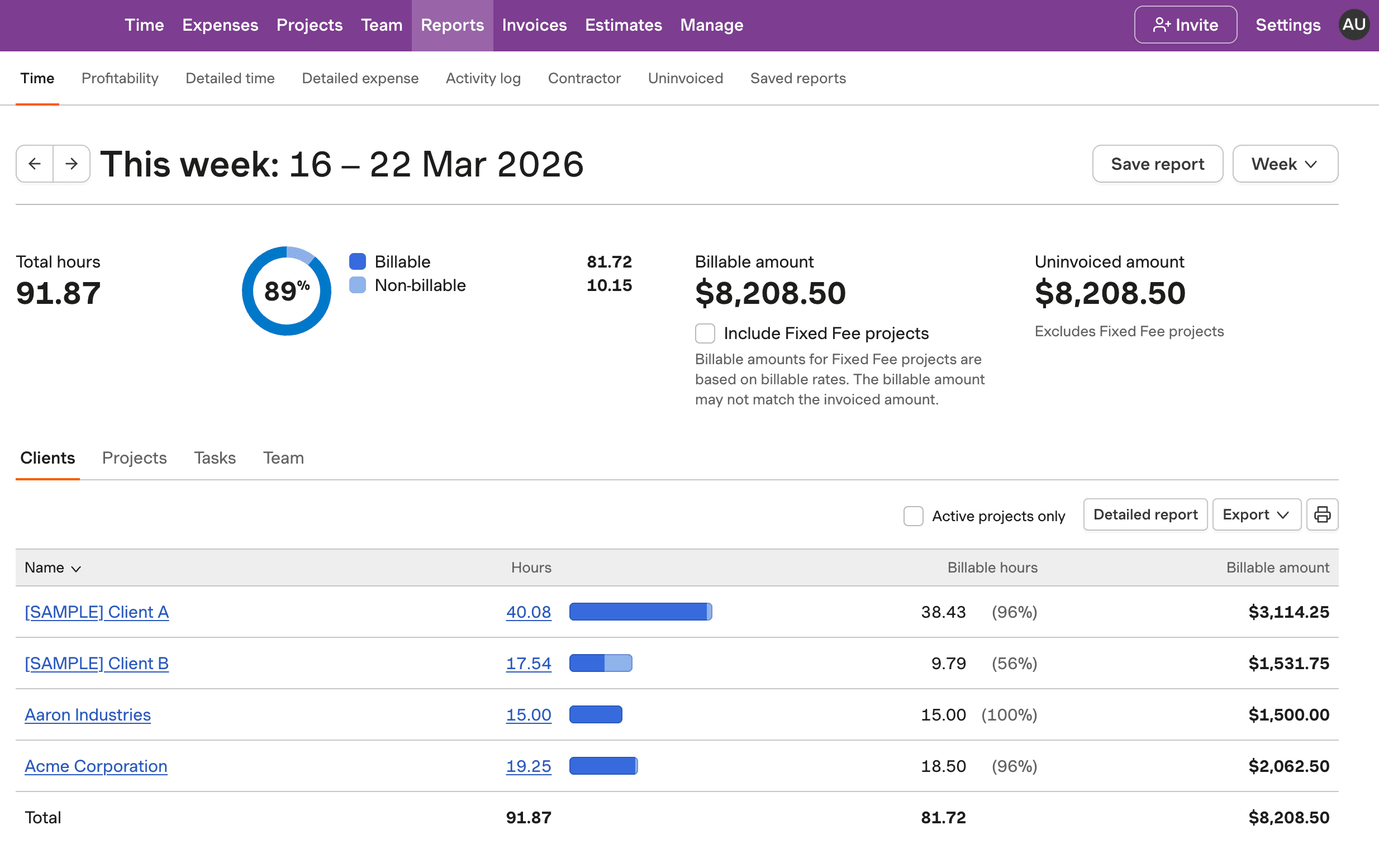
Harvest dashboard showing time tracking for meal breaks in the Middle East context

Meal Break Calculator in the Middle East FAQs

  • Meal break requirements in the Middle East vary by country. For example, Bahrain requires a 30-minute break after 6 hours of work, while Kuwait mandates a 60-minute break after 5 hours. Breaks are generally unpaid unless specified otherwise in contracts.

  • Meal breaks typically do not count towards working hours, thus not affecting overtime calculations. However, understanding country-specific regulations is crucial, as some regions might have unique stipulations.

  • Yes, during Ramadan, working hours are reduced in many Middle Eastern countries, impacting meal break schedules. For instance, in Saudi Arabia and Qatar, Muslim employees work no more than 6 hours per day, influencing break timings.

  • Penalties for violating meal break laws can include fines and legal actions. In the UAE, for example, fines for not providing required breaks during summer can reach AED 50,000 per violation.

  • While Harvest does not calculate meal breaks directly, it offers robust time tracking that helps ensure compliance by accurately recording work hours and break times, simplifying record-keeping for employers.

  • Generally, meal breaks in the Middle East are unpaid, but this may vary based on national laws and specific employment contracts. It is crucial for employers and employees to understand their contractual terms.

  • In GCC countries like the UAE and Kuwait, meal breaks range from 30 minutes to 1 hour, typically after 5 or 6 consecutive hours of work. Regulations vary, so checking specific country laws is advisable.

  • While Harvest tracks work hours, compliance with specific midday break regulations, like those in the UAE during summer, requires understanding local laws. Harvest can support by providing accurate time records.