
Harvest
Time Tracking
Sign up free

Time and a Half Calculator in the Middle East

Harvest offers adaptable time tracking tools that help businesses manually manage overtime, ensuring compliance with Middle Eastern labor laws.

Try Harvest Free

What will your overtime pay be?

Calculate regular and overtime earnings based on your hours and rate. Supports standard time-and-a-half and double-time multipliers.

$
Standard is 40 hours/week (FLSA threshold)
1.5x
1.5x = time and a half (most common). 2x = double time (CA after 12h, holidays).
Some states require 2x pay after 12 hours/day or on 7th consecutive day.
Total gross pay $0
Regular pay $0
Overtime pay (1.5x) $0
Double-time pay (2x) $0
Effective hourly rate $0

Track overtime hours with Harvest

Walk through the entire flow below. Start a timer, check your reports, and create a real invoice — all in three clicks.

Go ahead — start tracking!

One click and you're timing. Try it right here: start a timer, add an entry, edit the details. This is exactly how it feels in Harvest.

  • One-click timer from browser, desktop & mobile
  • Works inside Jira, Asana, Trello, GitHub & 50+ tools
  • Duration or start/end — your call
  • Day, week & calendar views to stay on top of it all
  • Friendly reminders so no hour gets left behind
Acme Corp
Website Redesign
Homepage layout revisions
1:24:09
Content Strategy
Blog calendar planning
1:30:00
SEO Audit
Technical audit report
0:45:00
Brand Guidelines
Color system documentation
2:15:00
Logo Concepts
Initial sketches round 1
1:00:00

Understanding Overtime Pay in the Middle East

Overtime pay, often referred to as "time and a half," is a critical aspect of labor laws in the Middle East. Most countries in this region, including the UAE, Saudi Arabia, and Qatar, have specific regulations that define how overtime should be compensated. In the UAE, for instance, regular overtime is paid at 125% of the basic hourly rate, while night work attracts a higher rate of 150%.

Understanding these nuances is essential for both employers and employees. During Ramadan, working hours are reduced, impacting overtime calculations. For example, UAE employees work about 30-36 hours weekly instead of the standard 48 hours. Employers must ensure compliance with these rules to avoid legal penalties and ensure fair compensation for their workforce.
Calculating Time and a Half for Overtime

Calculating overtime correctly is crucial to ensure that employees are compensated fairly according to labor laws. The standard rate for overtime across the Middle East is often 150% of the regular hourly wage. For example, in Saudi Arabia, regular overtime is compensated at 150% of the basic hourly rate. This rate applies to work beyond the standard 48-hour workweek or during designated rest days.

To calculate overtime pay, multiply the regular hourly rate by 1.5. For instance, if an employee earns $20 per hour, their overtime rate would be $30 per hour. Employers must also consider higher rates for night work or public holidays. For instance, in Kuwait, work on public holidays is compensated at 200% of the regular wage rate, ensuring employees are rewarded for their time.

Regional Variations in Overtime Regulations

Each Middle Eastern country has distinct regulations for overtime pay. In Qatar, regular overtime is paid at least 125% of the hourly wage, but night work is compensated at 150%. Similarly, in Oman, night work attracts a premium of 150%, while work on official holidays is paid at 200% of the gross salary.

These variations highlight the importance of understanding local laws to ensure compliance. Employers should keep accurate records of hours worked and ensure they are following the correct pay rates. Failure to comply can result in penalties and affect employee satisfaction. By understanding these variations, businesses can better manage their workforce and avoid common pitfalls in overtime management.

Avoiding Common Mistakes in Overtime Calculation

Calculating overtime can be complex, especially with varying rates and regulations across different countries. A common mistake is failing to apply the correct multiplier for night work or public holidays. For example, in Bahrain, night work is paid at 150% of the regular wage, which is higher than the daytime overtime rate of 125%.

Another issue is exceeding the maximum allowable overtime hours. In the UAE, overtime should not exceed 2 hours per day or 144 hours over three weeks. Employers must also ensure that employees ineligible for overtime, such as those in managerial positions, are correctly classified. Properly managing these aspects prevents legal issues and ensures fair treatment of employees.

Time and a Half Calculations with Harvest

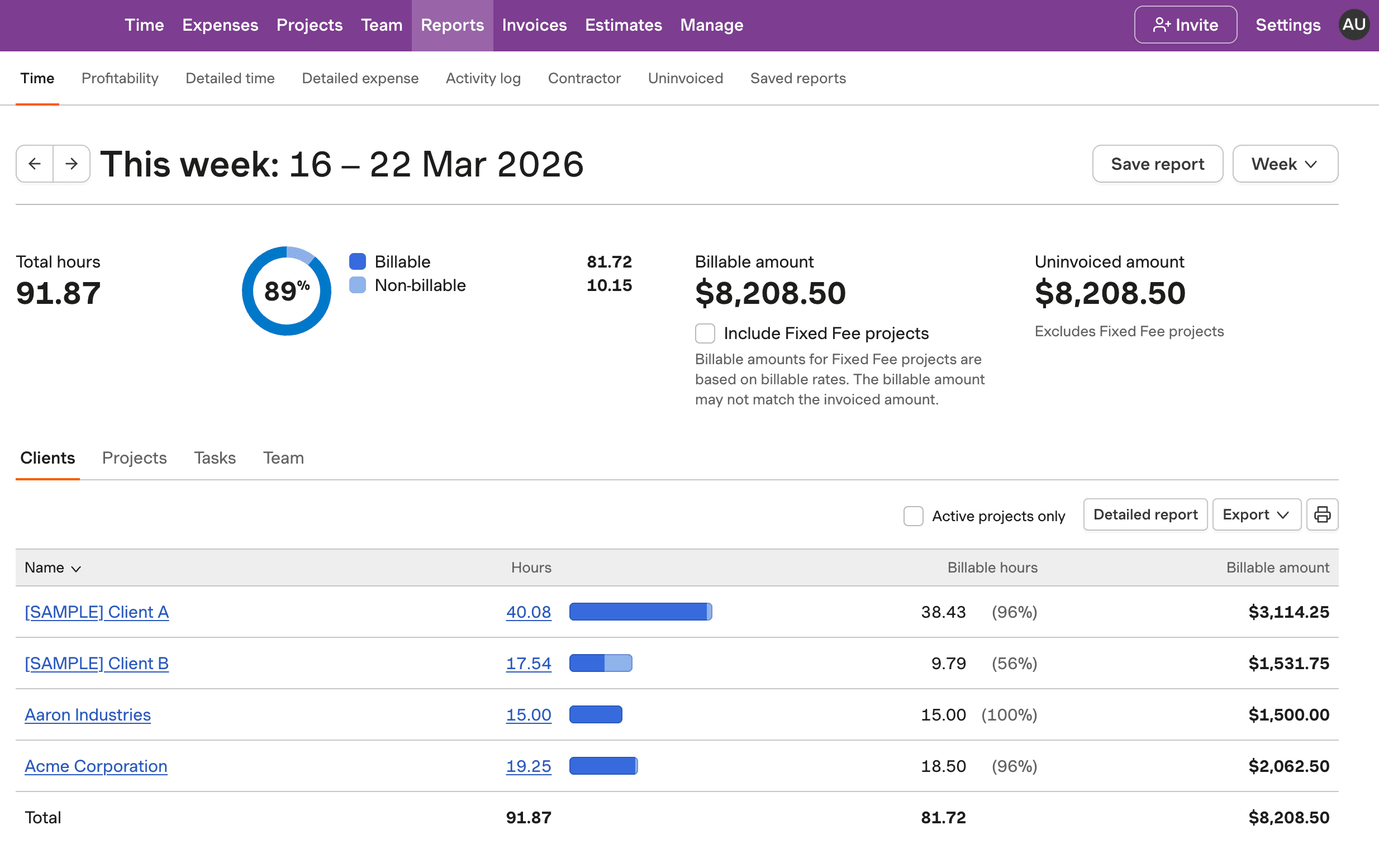
See how Harvest helps manage overtime pay according to Middle Eastern labor laws, ensuring fair compensation and compliance.

Harvest time tracking interface for Middle Eastern overtime calculations

Time and a Half Calculator in the Middle East FAQs

  • The standard workweek in most Middle Eastern countries, such as the UAE and Saudi Arabia, is 48 hours, typically spread over 8 hours per day.

  • In the UAE, regular overtime is paid at 125% of the basic hourly rate. Night work, between 10 PM and 4 AM, is compensated at 150% of the rate.

  • During Ramadan, working hours for Muslim employees in the Middle East are typically reduced by two hours daily, impacting overtime calculations.

  • Harvest provides adaptable time tracking tools that allow businesses to manually manage overtime, ensuring compliance with labor laws in the Middle East.

  • In Qatar, night work, defined as between 9 PM and 6 AM, is compensated at a rate of at least 150% of the regular hourly wage.

  • In Kuwait, overtime is limited to 2 hours per day, 90 days per year, or 180 total overtime hours annually.

  • In the UAE, exceeding overtime limits can result in legal penalties. Employers must ensure overtime does not exceed 2 hours per day or 144 hours over three weeks.