
Harvest
Time Tracking
Sign up free

Resource Utilization Calculator in France

Harvest offers a comprehensive solution for businesses in France to efficiently track resource utilization and ensure compliance with local regulations, helping to meet ambitious sustainability targets.

Try Harvest Free

How much revenue is your team leaving on the table?

Most agencies run at 55-60% utilization. Even a small improvement means significant revenue. See what closing the gap looks like for your team.

Number of people who track billable time
$
Blended rate across roles (junior, senior, lead)
55%
Percentage of total hours that are billable. Industry average is 55-60%.
75%
A realistic target for service businesses is 70-80%.
Monthly revenue gap $0
Revenue at current utilization $0/mo
Revenue at target utilization $0/mo
Extra billable hours needed per person/day 0h
Annual revenue opportunity $0

Start tracking team utilization

Walk through the entire flow below. Start a timer, check your reports, and create a real invoice — all in three clicks.

Go ahead — start tracking!

One click and you're timing. Try it right here: start a timer, add an entry, edit the details. This is exactly how it feels in Harvest.

  • One-click timer from browser, desktop & mobile
  • Works inside Jira, Asana, Trello, GitHub & 50+ tools
  • Duration or start/end — your call
  • Day, week & calendar views to stay on top of it all
  • Friendly reminders so no hour gets left behind
Acme Corp
Website Redesign
Homepage layout revisions
1:24:09
Content Strategy
Blog calendar planning
1:30:00
SEO Audit
Technical audit report
0:45:00
Brand Guidelines
Color system documentation
2:15:00
Logo Concepts
Initial sketches round 1
1:00:00

Understanding Resource Utilization in France

Resource utilization in France is heavily influenced by national and European regulations aimed at promoting sustainability and efficiency. The Anti-waste and Circular Economy Law (AGEC), adopted in 2020, is a significant legislative framework designed to reduce waste and enhance resource efficiency. By 2025, the goal is to achieve a 65% recycling rate for non-hazardous waste and to reduce landfill waste by 50% compared to 2010 levels. These ambitious targets require businesses to adopt meticulous tracking and management of resources across various sectors.

The emphasis on circular economy practices also extends to mandatory recycling initiatives, such as the "composte obligatoire" rule starting January 1, 2024, which mandates organic waste recycling for all households and businesses. Compliance with these regulations not only helps companies avoid penalties but also enhances their operational efficiency by minimizing waste-related costs, which are set to rise with landfill costs expected to hit €65 per ton by 2025.
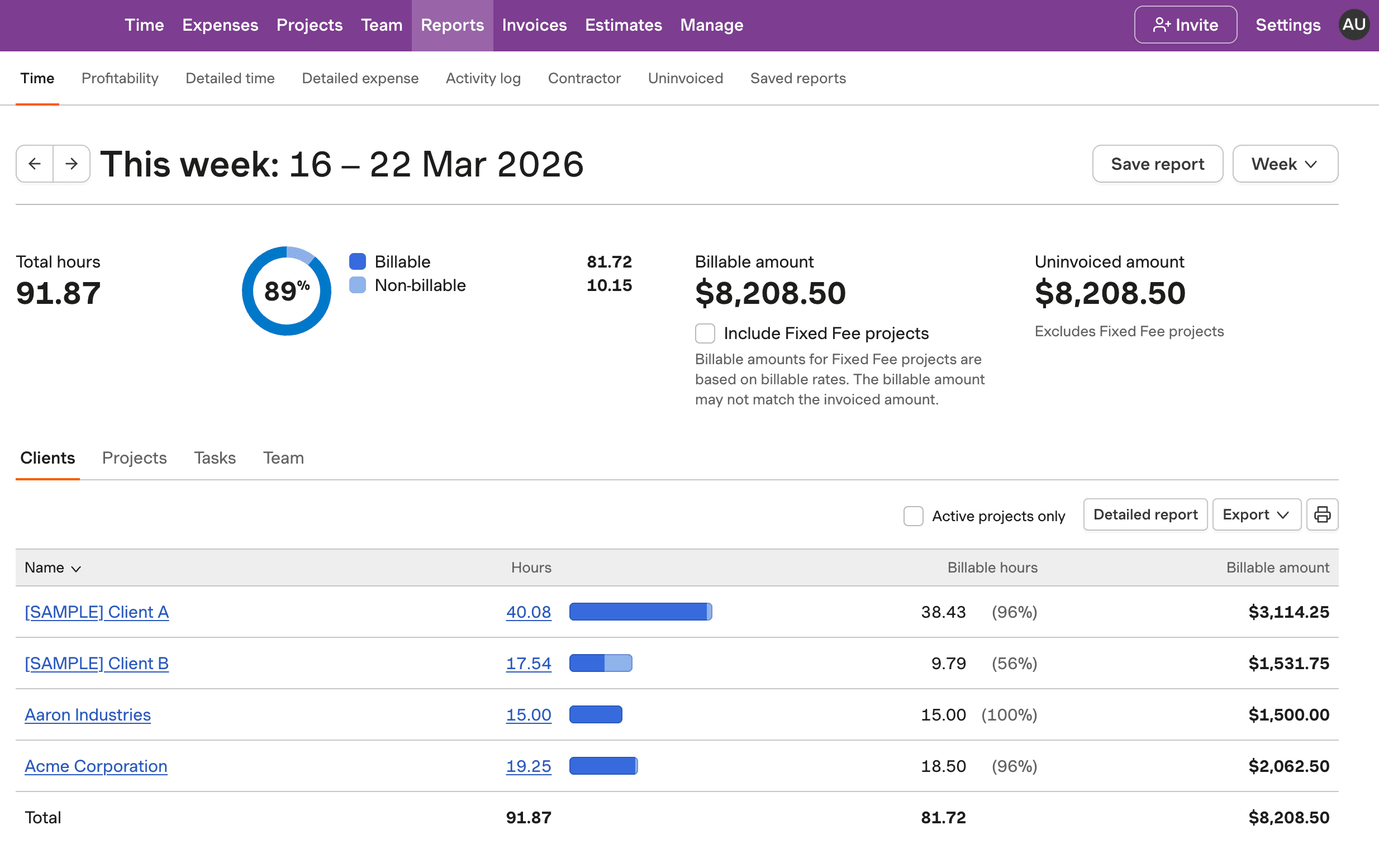
Calculating Resource Utilization in Compliance with French Regulations

Calculating resource utilization in France involves navigating a complex landscape of regulations and sustainability targets. The Corporate Sustainability Reporting Directive (CSRD) mandates large companies to integrate sustainability reports into their management reports from January 1, 2024. These reports must be certified and include detailed data on circular economy practices, greenhouse gas (GHG) emissions, and resource management.

To accurately calculate resource utilization, businesses must consider metrics such as the total waste recycled, energy consumption reductions, and carbon emissions. For instance, France's national strategy targets a 50% reduction in GHG emissions by 2030 compared to 1990 levels. Tools like Harvest can assist in tracking project-specific resource usage and time allocation, though businesses must adapt these tools to ensure compliance with specific French regulations.

Leveraging Technology for Effective Resource Utilization

Technology plays a crucial role in enhancing resource utilization efficiency, particularly in regulated environments like France. Tools that integrate compliance features with operational management, such as Harvest, offer companies a way to streamline their processes while adhering to legal requirements. Harvest, for instance, can track time and project management metrics, helping businesses optimize their resource allocation.

Moreover, with France aiming for a 30% increase in resource productivity by 2030, companies need to leverage technology to monitor and improve their utilization rates. Harvest's ability to integrate with other platforms further enhances its utility in a French business context, allowing seamless data flow and comprehensive reporting, essential for meeting the stringent reporting standards set by regulations like the BEGES and CSRD.

The Impact of French Labor Laws on Resource Utilization

French labor laws significantly impact resource utilization, particularly through regulations governing work hours and employee rights. For example, the 35-hour workweek law influences how businesses allocate and measure workforce efficiency. Companies must ensure they comply with these labor constraints while maintaining optimal resource utilization.

Harvest's Forecast feature can be particularly beneficial in this regard, allowing businesses to integrate calendar feeds to account for vacation and sick leave, thereby providing a more accurate picture of resource availability. This integration helps companies better plan and distribute tasks to maximize efficiency without breaching labor regulations.

Explore Resource Utilization with Harvest

Harvest provides a detailed overview of resource utilization, helping businesses in France meet local compliance and efficiency standards.

Screenshot of Harvest's resource utilization tool in a French context

Resource Utilization Calculator in France FAQs

  • Resource utilization in France is calculated by assessing the proportion of available resources effectively used over a given period. This involves tracking metrics such as work hours, energy consumption, and waste management, aligned with regulations like the AGEC Law.

  • French labor laws, such as the 35-hour workweek, influence resource utilization by setting constraints on work hours. Businesses must optimize resource allocation within these constraints to ensure compliance and efficiency.

  • Tools like Harvest provide comprehensive tracking of time and project management metrics, essential for resource utilization calculations. These tools can be customized to align with French regulatory requirements.

  • The French tax system, with its emphasis on sustainability, encourages efficient resource allocation through tax incentives for recycling and energy efficiency. Companies benefit by aligning resource strategies with tax regulations.

  • French public sector projects often track metrics like GHG emissions, energy consumption, and waste recycling rates. These are guided by national directives like the Energy Transition Law and the AGEC Law.

  • Harvest can track time and project management metrics, aiding compliance with French regulations. However, businesses may need customizations to fully align with specific local laws.

  • Harvest's Forecast feature allows businesses to integrate a calendar feed, enabling accurate tracking of vacation and sick leave in resource utilization calculations, ensuring compliance with labor laws.