
Harvest
Time Tracking
Sign up free

Resource Utilization Calculator in Germany

Harvest is your go-to solution for tracking time and invoicing, streamlining processes for teams and freelancers with one-click timers and detailed reporting.

Try Harvest Free

How much revenue is your team leaving on the table?

Most agencies run at 55-60% utilization. Even a small improvement means significant revenue. See what closing the gap looks like for your team.

Number of people who track billable time
$
Blended rate across roles (junior, senior, lead)
55%
Percentage of total hours that are billable. Industry average is 55-60%.
75%
A realistic target for service businesses is 70-80%.
Monthly revenue gap $0
Revenue at current utilization $0/mo
Revenue at target utilization $0/mo
Extra billable hours needed per person/day 0h
Annual revenue opportunity $0

Start tracking team utilization

Walk through the entire flow below. Start a timer, check your reports, and create a real invoice — all in three clicks.

Go ahead — start tracking!

One click and you're timing. Try it right here: start a timer, add an entry, edit the details. This is exactly how it feels in Harvest.

  • One-click timer from browser, desktop & mobile
  • Works inside Jira, Asana, Trello, GitHub & 50+ tools
  • Duration or start/end — your call
  • Day, week & calendar views to stay on top of it all
  • Friendly reminders so no hour gets left behind
Acme Corp
Website Redesign
Homepage layout revisions
1:24:09
Content Strategy
Blog calendar planning
1:30:00
SEO Audit
Technical audit report
0:45:00
Brand Guidelines
Color system documentation
2:15:00
Logo Concepts
Initial sketches round 1
1:00:00

Understanding Resource Utilization in Germany

Resource utilization is a critical concept in Germany, where approximately 1.3 billion tons of raw materials were consumed in 2019, equating to about 16 tons per capita. This consumption level is about 30% higher than the global average, underscoring the importance of efficient resource management. Material costs significantly impact the manufacturing sector, constituting around 40% of total production costs. This is more than double the personnel costs, which stand at around 20%.

To address these challenges, Germany has implemented the Kreislaufwirtschaftsgesetz (KrWG - Circular Economy Act), which emphasizes a five-step waste management hierarchy. This law is central to reducing resource consumption and enhancing environmental sustainability. Understanding these regulations is crucial for anyone looking to assess or improve their resource utilization in Germany.
Efficient Resource Utilization with Calculators

Resource utilization calculators are essential tools for assessing the environmental impacts of material consumption in Germany. These calculators help quantify resource usage, allowing businesses and households to align with local sustainability practices. In the manufacturing sector, optimizing resource utilization could potentially reduce material consumption by up to 20%, leading to substantial cost savings.

Germany's manufacturing companies have already achieved an 8% reduction in material needs through efficiency measures, indicating the effectiveness of these tools. By leveraging resource utilization calculators, users can identify inefficiencies and implement measures that align with Germany's Circular Economy Act, promoting sustainable practices and reducing greenhouse gas emissions linked to raw material extraction.

Leveraging Local Regulations for Better Resource Management

Germany's Circular Economy Act (KrWG) provides a robust framework for resource management, focusing on waste prevention and efficient material use. This regulatory landscape is crucial for businesses aiming to enhance their sustainability credentials. The Act’s five-step waste management hierarchy prioritizes prevention, re-use, and recycling, ensuring that resources are used optimally and waste is minimized.

For companies, aligning with these regulations not only supports environmental goals but also offers economic advantages. By utilizing resource utilization calculators, businesses can ensure compliance with the KrWG and capitalize on the potential 20% reduction in material costs, as suggested by the Federal Ministry for Economic Affairs and Technology. This alignment not only reduces costs but also enhances a company's market position as a leader in sustainable practices.

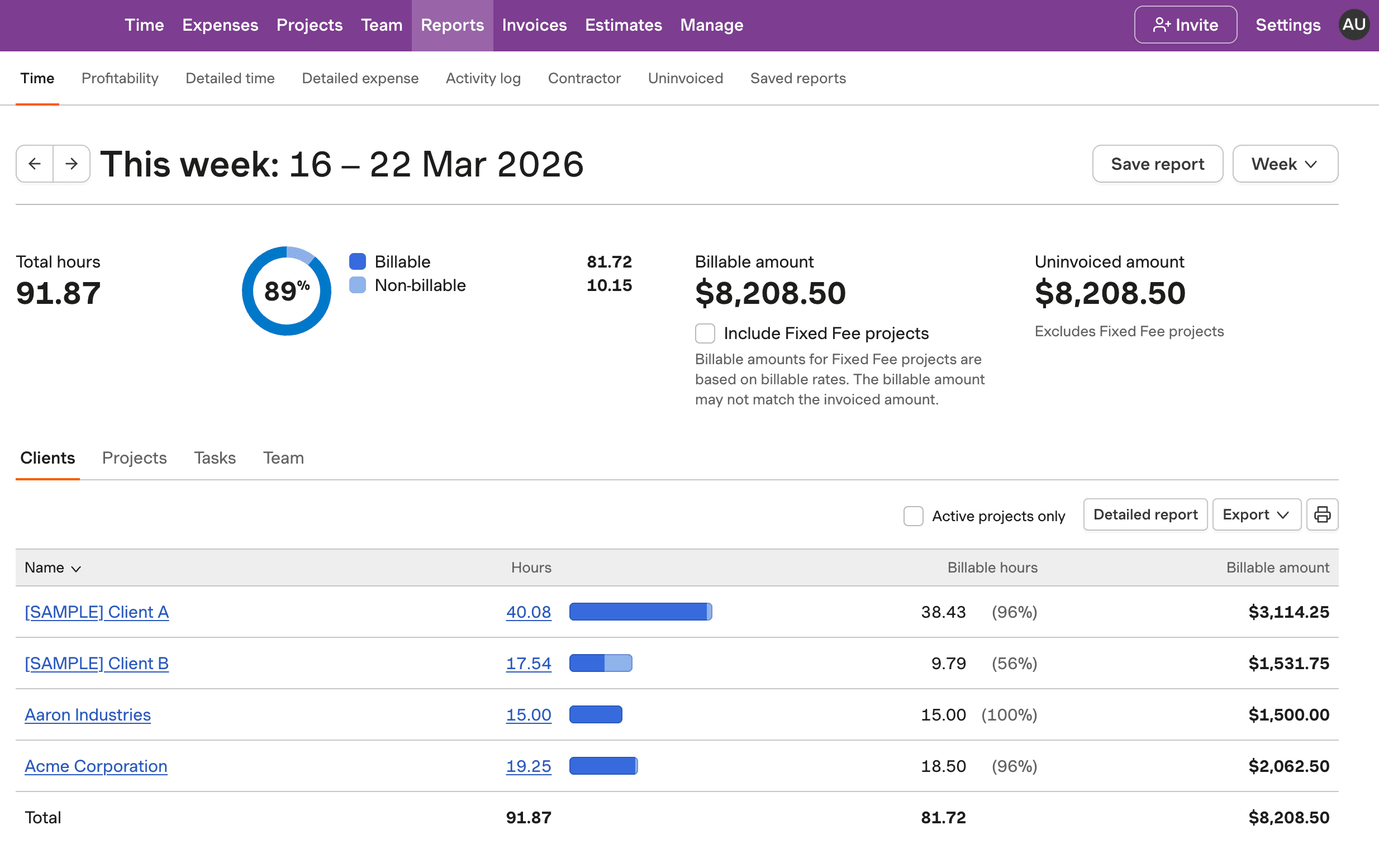
Optimize Resource Utilization with Harvest

Explore how Harvest's resource utilization calculator helps optimize material use in Germany, ensuring compliance with local regulations.

Screenshot of Harvest's resource utilization calculator interface.

Resource Utilization Calculator in Germany FAQs

  • Resource utilization in Germany refers to the efficient management and consumption of raw materials. In 2019, Germany consumed about 1.3 billion tons of raw materials, which is 30% higher than the global average. Effective utilization aims to reduce this consumption and enhance sustainability.

  • The Circular Economy Act (KrWG) in Germany establishes a framework for managing resources through a five-step waste hierarchy. This Act promotes the prevention, re-use, and recycling of materials, ensuring optimal resource utilization and compliance with environmental standards.

  • Yes, resource utilization calculators can significantly reduce costs. In the manufacturing sector, optimizing resource use could lead to a 20% reduction in material costs. This not only saves money but also aligns with sustainability practices.

  • Resource utilization calculators assess material consumption, identify inefficiencies, and suggest improvements. They help businesses align with Germany's sustainability regulations, such as the Circular Economy Act, and reduce environmental impacts.

  • To use a resource utilization calculator, input your material consumption data to assess current usage patterns. The tool will help identify areas for improvement, allowing you to implement efficiency measures that align with Germany's environmental regulations.

  • Yes, there are calculators designed for household use, which help individuals assess their resource consumption and implement sustainable practices. These tools are aligned with Germany's environmental goals to reduce raw material usage and emissions.

  • In Germany, approximately 40% of greenhouse gas emissions are linked to raw material extraction and initial processing. Efficient resource utilization, guided by calculators and regulations, can significantly reduce these emissions and promote sustainability.