
Harvest
Time Tracking
Sign up free

Resource Utilization Calculator in Portugal

Harvest provides a comprehensive resource utilization calculator that helps businesses in Portugal optimize workforce efficiency by considering local labor laws and economic factors.

Try Harvest Free

How much revenue is your team leaving on the table?

Most agencies run at 55-60% utilization. Even a small improvement means significant revenue. See what closing the gap looks like for your team.

Number of people who track billable time
$
Blended rate across roles (junior, senior, lead)
55%
Percentage of total hours that are billable. Industry average is 55-60%.
75%
A realistic target for service businesses is 70-80%.
Monthly revenue gap $0
Revenue at current utilization $0/mo
Revenue at target utilization $0/mo
Extra billable hours needed per person/day 0h
Annual revenue opportunity $0

Start tracking team utilization

Walk through the entire flow below. Start a timer, check your reports, and create a real invoice — all in three clicks.

Go ahead — start tracking!

One click and you're timing. Try it right here: start a timer, add an entry, edit the details. This is exactly how it feels in Harvest.

  • One-click timer from browser, desktop & mobile
  • Works inside Jira, Asana, Trello, GitHub & 50+ tools
  • Duration or start/end — your call
  • Day, week & calendar views to stay on top of it all
  • Friendly reminders so no hour gets left behind
Acme Corp
Website Redesign
Homepage layout revisions
1:24:09
Content Strategy
Blog calendar planning
1:30:00
SEO Audit
Technical audit report
0:45:00
Brand Guidelines
Color system documentation
2:15:00
Logo Concepts
Initial sketches round 1
1:00:00

Understanding Resource Utilization in Portugal

Resource utilization in Portugal encompasses various aspects such as energy, water, materials, and waste management. With Portugal's primary energy consumption decreasing by 2% annually since 2017, reaching 19 million tonnes of oil equivalent (Mtoe) in 2024, the country is making strides towards sustainable resource use. However, challenges remain, particularly in waste management where Portugal generated 510 kg of municipal waste per capita in 2022, slightly below the EU average. Understanding these metrics is crucial for businesses aiming to optimize resource allocation in Portugal.

Portugal's renewable energy share reached 35.2% in 2023, exceeding its 2020 target by 3 points. The country's ambitious goals aim for a 51% renewable share in final energy consumption by 2030. Yet, significant efforts are needed in waste management, where the recycling rate of municipal waste was only 30% in 2022, falling short of the EU average of 49%. These figures highlight the importance of a comprehensive approach to resource management, integrating both local and regulatory considerations.
Key Regulatory Frameworks for Resource Efficiency

Effective resource utilization in Portugal requires navigating a complex regulatory landscape. One crucial framework is the Single Environmental Permit (TUA), established by Decree-Law 75/2015, which simplifies environmental licensing and groups reporting obligations on emissions, waste management, and resource consumption. Companies must submit detailed environmental data to the Portuguese Environment Agency (APA), ensuring compliance with national and EU directives.

Additionally, the Corporate Sustainability Reporting Directive (CSRD) mandates large companies to disclose sustainability impacts, risks, and opportunities. This directive, effective from 2023, covers approximately 50,000 companies, with the first reporting period starting in 2025. Compliance with these regulations not only aligns businesses with legal requirements but also enhances their sustainability credentials in an increasingly eco-conscious market.

Optimizing Resource Utilization: Best Practices

Optimizing resource utilization in Portugal involves implementing best practices tailored to the country's unique challenges and regulatory requirements. For energy, Portugal's goal of achieving 70% low-carbon electricity generation by 2025 can be supported by businesses through energy audits and adopting renewable technologies. In water management, addressing the high agricultural water use—75% of total consumption—is critical, especially in regions like Alentejo and Algarve where water scarcity is prevalent.

Businesses can improve waste management by aligning with national targets set by the Strategic Plan for Municipal Waste (PERSU 2030) and the Strategic Plan for Non-Municipal Waste (PERNU 2030). Initiatives such as enhancing recycling practices and reducing food waste, which amounted to 184 kg per person in 2022, can significantly contribute to resource efficiency. By adopting these practices, companies can not only comply with regulations but also drive sustainability and economic growth.

Leveraging Technology for Resource Management

Technology plays a pivotal role in managing resources efficiently in Portugal. Tools like the Integrated Waste Registration Map (MIRR) and platforms for reporting pollutant emissions, such as the PRTR, streamline compliance and data management. These technologies enable businesses to monitor their environmental impact accurately and align with regulatory frameworks, supporting informed decision-making.

Moreover, embracing digital solutions facilitates the integration of sustainability into core business processes. By leveraging data analytics and reporting tools, companies can identify inefficiencies and optimize resource allocation. This tech-driven approach not only enhances operational efficiency but also strengthens a company's competitive edge in an environmentally conscious market.

Resource Utilization with Harvest

Discover how Harvest's calculator helps optimize resource utilization in Portugal, considering local regulations and economic factors.

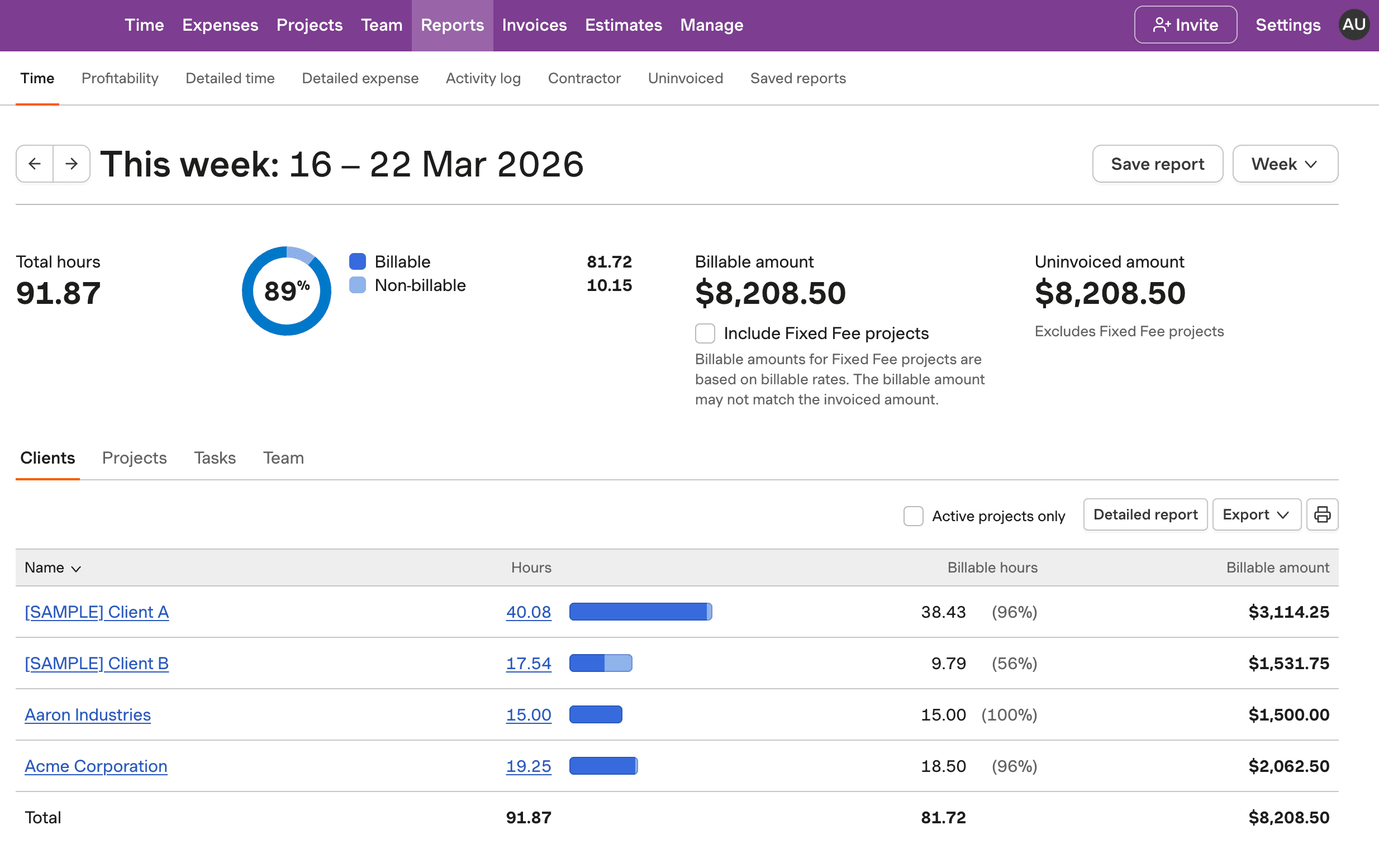
Screenshot showing Harvest's resource utilization calculator tailored for Portugal's market.

Resource Utilization Calculator in Portugal FAQs

  • When calculating resource utilization in Portugal, consider factors such as energy consumption, water usage, waste management, and regulatory compliance. For instance, Portugal's energy consumption per capita is 35% lower than the EU average, which may influence energy-related decisions. Additionally, the high agricultural water use, accounting for 75% of total consumption, is a critical factor in regions facing water scarcity.

  • Yes, Portugal has several laws affecting resource utilization, such as the Single Environmental Permit (TUA) and the Corporate Sustainability Reporting Directive (CSRD). These laws require businesses to report on emissions, waste management, and sustainability impacts. Compliance with these regulations is essential for legal operations and sustainability efforts in Portugal.

  • While specific calculators for Portuguese tax obligations aren't common, tools like Harvest can help businesses optimize resources by integrating economic insights and local considerations. These solutions support efficient management and compliance with local regulations, indirectly aiding in understanding tax implications.

  • Businesses can improve recycling rates in Portugal by aligning with national targets and implementing effective waste management practices. For example, Portugal's current municipal recycling rate is 30%, below the EU average. Companies should focus on enhancing recycling processes and reducing waste generation to meet these targets and contribute to sustainability goals.

  • To manage water resources effectively in Portugal, businesses should adopt advanced water management technologies, especially in agriculture, where 75% of water is used. Addressing water stress in southern regions like Alentejo and Algarve involves implementing efficient irrigation systems and conservation practices to ensure sustainable water use.

  • The circular economy significantly impacts resource utilization in Portugal by promoting sustainable practices and reducing waste. Portugal's circular material use rate is 2.8%, far below the EU target. Businesses can contribute by adopting circular economy principles, enhancing material reuse, and reducing dependency on virgin resources.

  • Technology is crucial for effective resource management in Portugal. Tools like the Integrated Waste Registration Map (MIRR) and digital platforms for environmental reporting streamline compliance and improve data accuracy. These technologies help businesses optimize resource use and align with regulatory requirements.

  • Portugal is making significant progress towards its renewable energy targets, with a 35.2% renewable share in final energy consumption as of 2023. The country aims for a 51% share by 2030, with a strong focus on expanding wind, hydropower, and solar energy. Businesses can support this transition by investing in renewable technologies and energy efficiency measures.

  • Energy independence is vital for Portugal as it reduces reliance on imports and enhances energy security. As of 2024, Portugal's energy independence was 36.3%. Increasing the share of renewables and improving energy efficiency can help the country achieve greater autonomy and stability in its energy supply.