
Harvest
Time Tracking
Sign up free

Utilization Rate Calculator in Portugal

In Portugal, accurately tracking utilization rates is crucial for business efficiency. Harvest simplifies this with detailed reports and seamless integrations.

Try Harvest Free

How much revenue is your team leaving on the table?

Most agencies run at 55-60% utilization. Even a small improvement means significant revenue. See what closing the gap looks like for your team.

Number of people who track billable time
$
Blended rate across roles (junior, senior, lead)
55%
Percentage of total hours that are billable. Industry average is 55-60%.
75%
A realistic target for service businesses is 70-80%.
Monthly revenue gap $0
Revenue at current utilization $0/mo
Revenue at target utilization $0/mo
Extra billable hours needed per person/day 0h
Annual revenue opportunity $0

Start tracking team utilization

Walk through the entire flow below. Start a timer, check your reports, and create a real invoice — all in three clicks.

Go ahead — start tracking!

One click and you're timing. Try it right here: start a timer, add an entry, edit the details. This is exactly how it feels in Harvest.

  • One-click timer from browser, desktop & mobile
  • Works inside Jira, Asana, Trello, GitHub & 50+ tools
  • Duration or start/end — your call
  • Day, week & calendar views to stay on top of it all
  • Friendly reminders so no hour gets left behind
Acme Corp
Website Redesign
Homepage layout revisions
1:24:09
Content Strategy
Blog calendar planning
1:30:00
SEO Audit
Technical audit report
0:45:00
Brand Guidelines
Color system documentation
2:15:00
Logo Concepts
Initial sketches round 1
1:00:00

Understanding Utilization Rates in Portugal

The utilization rate is a crucial metric for businesses and professionals in Portugal, particularly in the manufacturing sector, where it measures the extent to which potential output levels are being met. As of December 2025, Portugal's manufacturing capacity utilization stood at 82.20%, highlighting a robust industry performance despite economic fluctuations. Historically, this rate has seen highs of 82.90% in June 2023 and lows of 69.20% in June 2020, reflecting the industry's resilience and adaptability.

For businesses aiming to optimize operations, understanding utilization rates is key. Factors such as labor force participation, which was at 69.70% in January 2026, also impact overall business productivity. This rate remains a vital indicator for labor market analysis, showing how effectively the workforce is engaged. By leveraging this data, companies can align their strategic objectives with workforce capacity, ensuring optimal resource use and productivity.
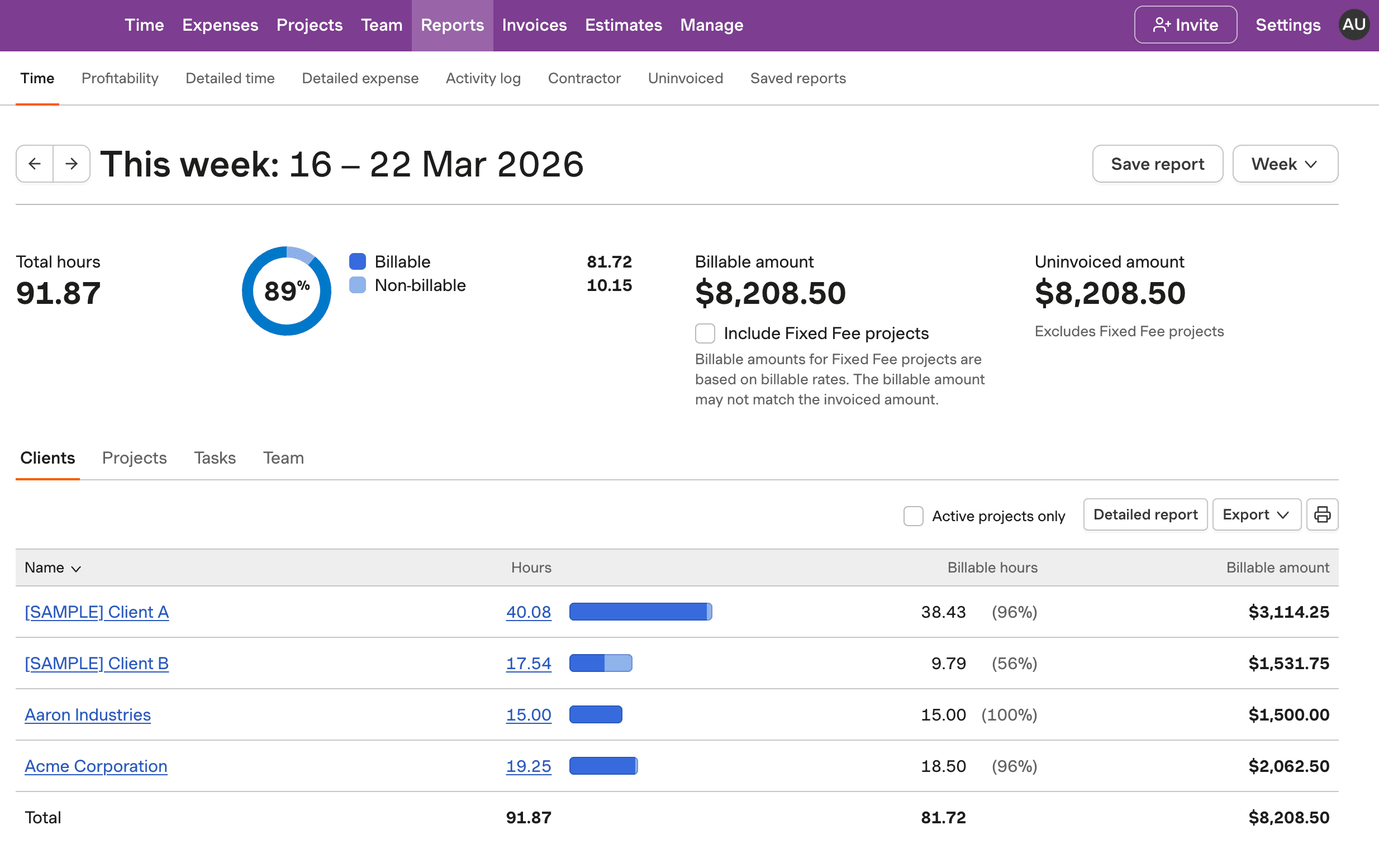
Calculating Utilization Rates with Harvest

Calculating utilization rates can be a complex task, but with the right tools, it becomes manageable. Harvest, known for its robust time tracking and project management capabilities, indirectly supports the understanding and calculation of utilization rates. By providing detailed reports on time, expenses, and team utilization, Harvest allows businesses to gauge performance and identify areas for improvement.

For instance, Harvest's integration with platforms like Asana and Slack further enhances its utility, ensuring seamless workflow management across teams. This integration ensures that all tracked hours contribute to a comprehensive view of team productivity, which is essential for accurate utilization rate calculations. The ability to monitor billable and non-billable hours also offers insights into financial performance, enabling businesses to make data-driven decisions.

Key Factors Affecting Utilization Rates in Portugal

Several factors affect utilization rates in Portugal, from economic policies to industry-specific regulations. The "licença de utilização," for instance, once a mandatory occupancy permit, has evolved with the introduction of the "Simplex Urbanístico." This change has streamlined property usage processes, impacting industries relying on physical spaces, such as manufacturing and services.

The cost of obtaining a license or going through the new communication process can range from 400 to 1,600 euros, depending on the municipality. This regulatory landscape requires businesses to stay informed about compliance requirements to avoid disruptions. Furthermore, understanding these local nuances helps companies optimize their operations, align with regional standards, and improve their utilization rates effectively.

Leveraging Technology for Accurate Utilization Rate Tracking

In today's digital age, technology plays a pivotal role in accurately tracking utilization rates. Tools like Harvest provide a comprehensive suite of features that streamline time tracking and project management. Such technologies are invaluable for businesses in Portugal looking to enhance their operational efficiency and maximize resource utilization.

By utilizing Harvest, companies can automate time tracking with one-click start/stop timers, and generate detailed reports that reveal trends and patterns. This data-driven approach allows managers to make informed decisions about resource allocation and productivity improvements. Additionally, integrating Harvest with financial tools like QuickBooks and Xero ensures that all financial aspects are aligned with operational activities, providing a holistic view of business performance.

Utilization Rate Solutions with Harvest

See how Harvest tracks utilization rates in Portugal. The preview shows detailed reports and seamless integration features.

Harvest utilization rate calculator interface tailored for Portugal's labor market.

Utilization Rate Calculator in Portugal FAQs

  • The utilization rate is calculated by dividing the actual output by the potential output and expressing it as a percentage. In Portugal, this is crucial for understanding how effectively resources are being used, especially in the manufacturing sector.

  • Harvest indirectly aids in calculating utilization rates by providing detailed time tracking and reporting features. These tools help businesses analyze team performance and resource utilization effectively.

  • Yes, the "licença de utilização" has historically impacted utilization rates by regulating property use. Recent changes with the "Simplex Urbanístico" have simplified these requirements, affecting industries relying on physical spaces.

  • Yes, Harvest integrates with popular tools like Asana, Slack, QuickBooks, and Xero. These integrations streamline workflows, ensuring comprehensive tracking of time and resources for accurate utilization calculations.

  • Consider economic factors such as labor force participation, local regulations like the "licença de utilização," and industry-specific trends. These elements can significantly impact your utilization rate calculations.

  • The labor force participation rate indicates the proportion of the working-age population that is employed or actively seeking employment. A higher rate suggests better workforce engagement, positively influencing utilization rates.

  • Businesses can optimize resource utilization by leveraging tools like Harvest for detailed tracking and reporting, staying informed about local regulations, and aligning strategic objectives with workforce capacity and industry trends.