
Harvest
Time Tracking
Sign up free

Utilization Rate Calculator in Indonesia

Harvest is an essential tool for tracking utilization rates, helping healthcare professionals in Indonesia optimize their resource management and operational efficiency.

Try Harvest Free

How much revenue is your team leaving on the table?

Most agencies run at 55-60% utilization. Even a small improvement means significant revenue. See what closing the gap looks like for your team.

Number of people who track billable time
$
Blended rate across roles (junior, senior, lead)
55%
Percentage of total hours that are billable. Industry average is 55-60%.
75%
A realistic target for service businesses is 70-80%.
Monthly revenue gap $0
Revenue at current utilization $0/mo
Revenue at target utilization $0/mo
Extra billable hours needed per person/day 0h
Annual revenue opportunity $0

Start tracking team utilization

Walk through the entire flow below. Start a timer, check your reports, and create a real invoice — all in three clicks.

Go ahead — start tracking!

One click and you're timing. Try it right here: start a timer, add an entry, edit the details. This is exactly how it feels in Harvest.

  • One-click timer from browser, desktop & mobile
  • Works inside Jira, Asana, Trello, GitHub & 50+ tools
  • Duration or start/end — your call
  • Day, week & calendar views to stay on top of it all
  • Friendly reminders so no hour gets left behind
Acme Corp
Website Redesign
Homepage layout revisions
1:24:09
Content Strategy
Blog calendar planning
1:30:00
SEO Audit
Technical audit report
0:45:00
Brand Guidelines
Color system documentation
2:15:00
Logo Concepts
Initial sketches round 1
1:00:00

Understanding Utilization Rates in Healthcare

In the healthcare sector, utilization rates measure the extent to which healthcare resources, such as hospital beds or medical staff hours, are employed relative to their full capacity. This metric is crucial for healthcare facilities to optimize operations and ensure that resources are neither underutilized nor overburdened. For healthcare professionals in Indonesia, understanding and calculating utilization rates can significantly impact service delivery and operational efficiency.

Utilization rates in healthcare are typically calculated using the formula: (Actual Utilization / Total Capacity) x 100. For example, if a hospital has 100 beds and 75 are occupied on average, the utilization rate would be 75%. This rate helps administrators make data-driven decisions about staffing, resource allocation, and capacity planning.

In Indonesia, specific factors such as the distribution of healthcare facilities across urban and rural areas can influence utilization rates. The labor force participation rate, which stood at 70.59% in August 2025, also affects the availability of healthcare professionals. Understanding these nuances is critical for effective healthcare management in the region.
Calculating Utilization Rates: A Practical Guide for Indonesia

Calculating utilization rates involves more than just applying a formula. Healthcare facilities in Indonesia must consider various factors, such as regional regulations and sector-specific challenges. The average capacity utilization across various sectors in Indonesia, including healthcare, provides a benchmark for comparison. For instance, the national average capacity utilization was 73.15% in the fourth quarter of 2025.

To calculate utilization rates effectively, healthcare administrators should start by gathering accurate data on their available resources and actual usage. It is essential to track these metrics consistently to identify trends and areas for improvement. Integration of technology, such as electronic health records, can facilitate precise data collection and analysis.

Healthcare providers in Indonesia should also consider the implications of underutilization or overutilization. For example, underutilized resources may indicate inefficiencies, while overutilization can lead to burnout among healthcare staff. Balancing these factors is key to maintaining high standards of patient care and operational efficiency.

Implications of Utilization Rates for Indonesian Healthcare

Utilization rates have significant implications for healthcare services in Indonesia. High utilization rates can signify efficient resource use but may also indicate potential stress on facilities and staff. Conversely, low rates could suggest underutilization of resources, leading to inefficiencies and wasted potential. In 2025, the labor force participation rate in Indonesia was 70.59%, which influences the availability of healthcare workers and, consequently, utilization rates.

For Indonesian healthcare facilities, maintaining an optimal balance in utilization rates is crucial. This involves strategic planning and resource management to accommodate patient needs without overextending resources. The utilization rate also impacts financial performance, as high rates can increase revenue through better resource utilization, while low rates might necessitate cost-cutting measures.

Incorporating technology and data analytics can aid healthcare facilities in monitoring utilization rates and making informed decisions. By leveraging these tools, Indonesian healthcare providers can enhance their operational efficiency and improve patient outcomes.

Finding Reliable Utilization Rate Calculators for Healthcare

Healthcare professionals looking for reliable utilization rate calculators tailored for Indonesia can benefit from tools that offer specific insights into local regulations and practices. While many general calculators are available, those designed with the Indonesian healthcare context in mind provide more accurate and actionable insights.

When selecting a utilization rate calculator, it's important to choose one that integrates seamlessly with existing systems, such as electronic health records or hospital management software. This integration ensures that data is consistently and accurately captured, leading to more reliable calculations.

Furthermore, calculators that offer customization options to account for regional differences and specific facility needs are particularly valuable. These tools not only facilitate efficient operational planning but also help healthcare administrators stay compliant with local regulations and standards.

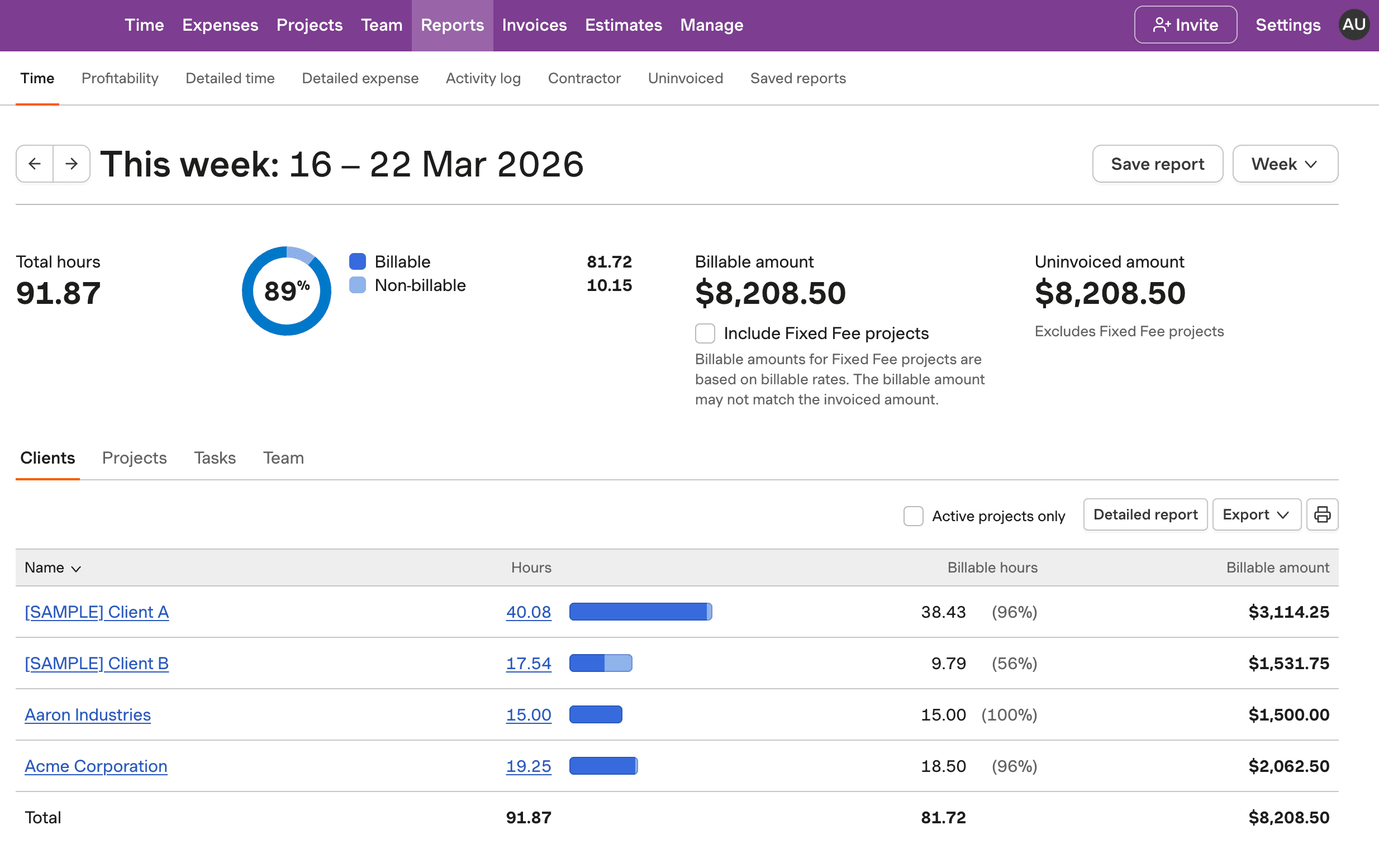
Harvest Utilization Rate Calculator

View Harvest's interface for calculating healthcare utilization rates in Indonesia, optimizing resource management.

Harvest utilization rate calculator interface for healthcare professionals in Indonesia

Utilization Rate Calculator in Indonesia FAQs

  • The formula for calculating utilization rates in healthcare is (Actual Utilization / Total Capacity) x 100. This measures how fully resources like hospital beds or staff hours are used.

  • Utilization rates impact operational efficiency and patient care quality in Indonesian healthcare services. High rates may indicate efficient resource use, while low rates suggest underutilization and potential inefficiencies.

  • Factors include the distribution of healthcare facilities, regional regulations, and labor force participation, which was 70.59% in August 2025. These elements shape the availability of healthcare professionals and resources.

  • Facilities can optimize rates by integrating technology for accurate data tracking, strategic resource planning, and adjusting operations to balance supply and demand effectively.

  • Look for calculators that offer insights specific to Indonesia's healthcare context, integrating with existing systems for accurate data capture and compliance with local regulations.

  • Monitoring utilization rates is crucial for maintaining resource efficiency, improving patient care, and ensuring financial stability in healthcare operations.

  • Yes, technology like electronic health records and data analytics can enhance data collection and analysis, leading to better management of healthcare resources and improved utilization rates.