
Harvest
Time Tracking
Sign up free

Profit Margin Calculator in Indonesia

Harvest provides a streamlined solution for accurate time tracking and invoicing, helping businesses improve profitability by minimizing time lost to manual entry and errors.

Try Harvest Free

Will this project be profitable?

Estimate your project cost, set the right price, and know exactly how many hours your team can spend before margin disappears.

Total hours across all team members
$
Average rate across all roles on the project
15%
Scope creep is real. Most projects need 10-25% buffer to stay profitable.
Recommended project price $0
Base cost (before buffer) $0
Hours per person per week 0h
Weekly burn rate $0
Max hours before loss 0h

Track project hours with Harvest

Walk through the entire flow below. Start a timer, check your reports, and create a real invoice — all in three clicks.

Go ahead — start tracking!

One click and you're timing. Try it right here: start a timer, add an entry, edit the details. This is exactly how it feels in Harvest.

  • One-click timer from browser, desktop & mobile
  • Works inside Jira, Asana, Trello, GitHub & 50+ tools
  • Duration or start/end — your call
  • Day, week & calendar views to stay on top of it all
  • Friendly reminders so no hour gets left behind
Acme Corp
Website Redesign
Homepage layout revisions
1:24:09
Content Strategy
Blog calendar planning
1:30:00
SEO Audit
Technical audit report
0:45:00
Brand Guidelines
Color system documentation
2:15:00
Logo Concepts
Initial sketches round 1
1:00:00

The Fundamentals of Profit Margins in Indonesia

Profit margins are crucial indicators of a business's financial health and operational efficiency, representing the portion of revenue that remains as profit after expenses. In Indonesia, understanding these margins is essential for navigating the local market dynamics. Gross Profit Margin is calculated by subtracting the Cost of Goods Sold (COGS) from revenue, dividing by revenue, and multiplying by 100. This margin illustrates the efficiency of production and sales efforts. Operating Profit Margin goes a step further by deducting indirect costs such as advertising and overhead from the gross profit. Meanwhile, the Net Profit Margin is the most comprehensive, accounting for all expenses, including taxes and interest, and is pivotal for assessing overall profitability. Each type of margin provides unique insights into different aspects of financial performance, making them indispensable for internal management, investors, and creditors.
Calculating Profit Margins: A Step-by-Step Guide for Indonesian Businesses

Accurately calculating profit margins is fundamental for any business operating in Indonesia. To determine the Gross Profit Margin, start by identifying your total revenue, then subtract the COGS to obtain the gross profit. Divide this figure by the total revenue and multiply by 100 to get the percentage. For the Net Profit Margin, begin with the total revenue and subtract all expenses, including COGS, operating expenses, interest, and taxes. Divide the resulting net profit by total revenue and multiply by 100. These calculations rely heavily on precise financial reporting, which is governed by the Indonesian Financial Accounting Standards (PSAK). Regularly updating these calculations allows businesses to monitor financial health and make informed strategic decisions.

Navigating the Indonesian Landscape: Taxes, Regulations, and Industry Benchmarks

Businesses in Indonesia must consider various tax implications and industry benchmarks when evaluating profit margins. The Corporate Income Tax (CIT) rate stands at 22%, but reductions are available for public companies and those with lower turnover. The Value Added Tax (VAT) is currently 11%, set to increase to 12% by 2025. Additionally, the global minimum tax rule, effective from 2025, will impose a 15% minimum tax on multinational enterprises. Industry benchmarks reveal that the manufacturing sector typically achieves profit margins around 13.628%, while trade and hospitality sectors aim for 17.557%. Comparing your margins against these benchmarks rather than general averages can provide a clearer picture of your competitive standing.

Factors Influencing Profitability and Strategies for Improvement

Profitability in Indonesian businesses is influenced by a combination of internal and external factors. Internally, operational efficiency, cost control, and liquidity management are pivotal in enhancing profit margins. Externally, economic conditions, competitive pressures, and regulatory changes play significant roles. To improve margins, businesses can adjust pricing strategies, negotiate better terms with suppliers, reduce operational waste, and streamline processes. Continuous monitoring of profit margin trends is essential for making strategic adjustments that foster long-term growth and stability. Implementing these strategies effectively can lead to substantial improvements in financial performance.

Profit Margin Insights with Harvest

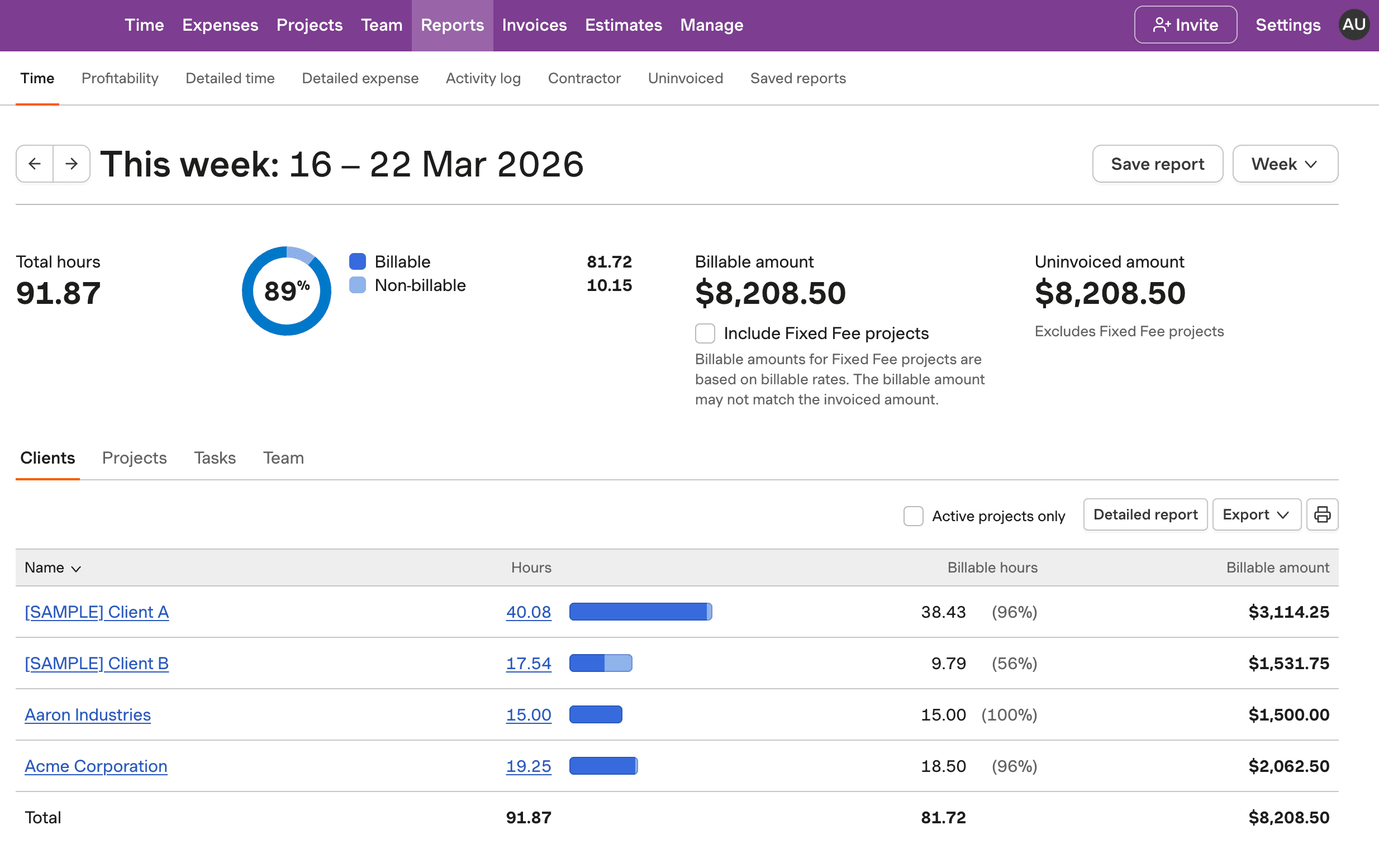
Explore Harvest's tools for calculating profit margins in Indonesia, with local tax and pricing insights.

Harvest profit margin calculation interface for Indonesian businesses

Profit Margin Calculator in Indonesia FAQs

  • In Indonesia, the corporate income tax (CIT) rate is 22%, with possible reductions for certain companies. The VAT is currently 11% and will increase to 12% by 2025. Understanding these taxes is crucial for accurate profit margin calculations.

  • Profit margins vary by sector. For example, the manufacturing sector has margins around 13.628%, while trade and hospitality sectors aim for 17.557%. Calculations should reflect specific industry benchmarks for accuracy.

  • SMEs should consider tax incentives available under new global tax rules, manage operational efficiencies, and align with industry benchmarks. These factors help in improving profitability and competitiveness.

  • Currency fluctuations can impact revenue and costs, affecting profit margins. Businesses should regularly review foreign exchange rates and adjust pricing and cost strategies to mitigate risks.

  • Effective pricing strategies include adjusting prices to reflect market demand, negotiating favorable supplier terms, and reducing unnecessary costs. These actions help in maintaining healthy profit margins.

  • Harvest offers one-click timers, manual entry, and detailed reporting for time tracking, which aids in precise invoicing. These features help businesses save time and reduce errors, indirectly supporting profitability.

  • Yes, Harvest provides expense tracking with receipt capture, allowing businesses to manage and report on project costs effectively. This feature is crucial for maintaining accurate financial records.