
Harvest
Expenses
Sign up

Best Ios Mileage Tracker

Harvest simplifies mileage tracking with manual entries and offline capabilities, ideal for project-based expense management on iOS.

  • Attach receipts to projects & tasks
  • Turn tracked expenses into client invoices
  • Free 30-day trial, no credit card needed

or drag & drop • Images and PDFs, max 10 MB

The Evolution of Mileage Tracking

Mileage tracking has evolved significantly from traditional paper logs to advanced digital solutions. This shift is primarily driven by the need for greater accuracy and efficiency in recording travel miles. Automated mileage tracking, using GPS technology, offers a precision that manual methods lack. Studies have shown that manual mileage tracking can lead to overreporting by as much as 29%, which can severely impact financial accuracy and compliance. With digital mileage tracking, drivers can save an average of 42 hours annually, enhancing productivity and minimizing errors.

For businesses, especially those with mobile workforces such as sales professionals or field services, accurate mileage tracking is crucial. It not only ensures operational efficiency but also maintains financial accountability. By transitioning from manual to automated systems, companies can significantly reduce administrative burdens and improve compliance with tax regulations, such as the IRS guidelines, which require detailed and contemporaneous records to avoid penalties.
Key Features of Top Mileage Tracking Apps

When evaluating the best iOS mileage tracker apps, several key features distinguish top contenders. Automated trip detection and AI-powered classification are increasingly becoming standard, allowing users to categorize trips effortlessly. Additionally, real-time route optimization not only aids in reducing fuel consumption but also ensures timely travel, which is critical for business operations. Some advanced apps even offer predictive maintenance alerts based on mileage, enhancing vehicle lifespan and reducing unexpected repair costs.

However, not all apps offer the same level of integration and automation. For instance, Harvest provides a straightforward mileage tracking system that supports manual entry, ideal for project-based expense management. While it lacks automated trip classification, its segmented tracking for multiple client visits and offline capabilities are advantageous for users who need reliable tracking in low-signal areas.

Why Automated Mileage Tracking Matters

Automated mileage tracking is not just a convenience—it's a necessity for modern businesses aiming to streamline operations and ensure compliance. Companies can save substantial time and money by adopting automated solutions, with some reporting savings of over 4,000 hours annually across 100 employees. The integration of mileage tracking with other business functions, such as expense management and payroll, can lead to cost reductions of up to 30% compared to traditional methods.

For instance, a large company managing a fleet of 500 vehicles could potentially save £8.5 million by optimizing routes and reducing fraudulent claims. Automated systems also ensure that all relevant data is audit-ready, reducing the risk of non-compliance with tax authorities like the IRS, which demands accurate and real-time record-keeping.

Harnessing Harvest for Mileage Tracking

Harvest offers a practical solution for mileage tracking, particularly beneficial for teams needing segmented tracking for multiple client visits. While it requires manual entry of mileage, Harvest's system is designed to facilitate accurate project-based reporting. This feature is especially useful for businesses that need to allocate travel expenses to specific projects or clients.

Moreover, Harvest's offline capabilities ensure that tracking can continue even in low-signal areas, syncing data once connectivity is restored. This is invaluable for users in remote locations or those frequently traveling through areas with poor signal. By choosing Harvest, businesses can maintain reliable and organized mileage records, supporting both operational efficiency and financial accountability.

Best iOS Mileage Tracker with Harvest

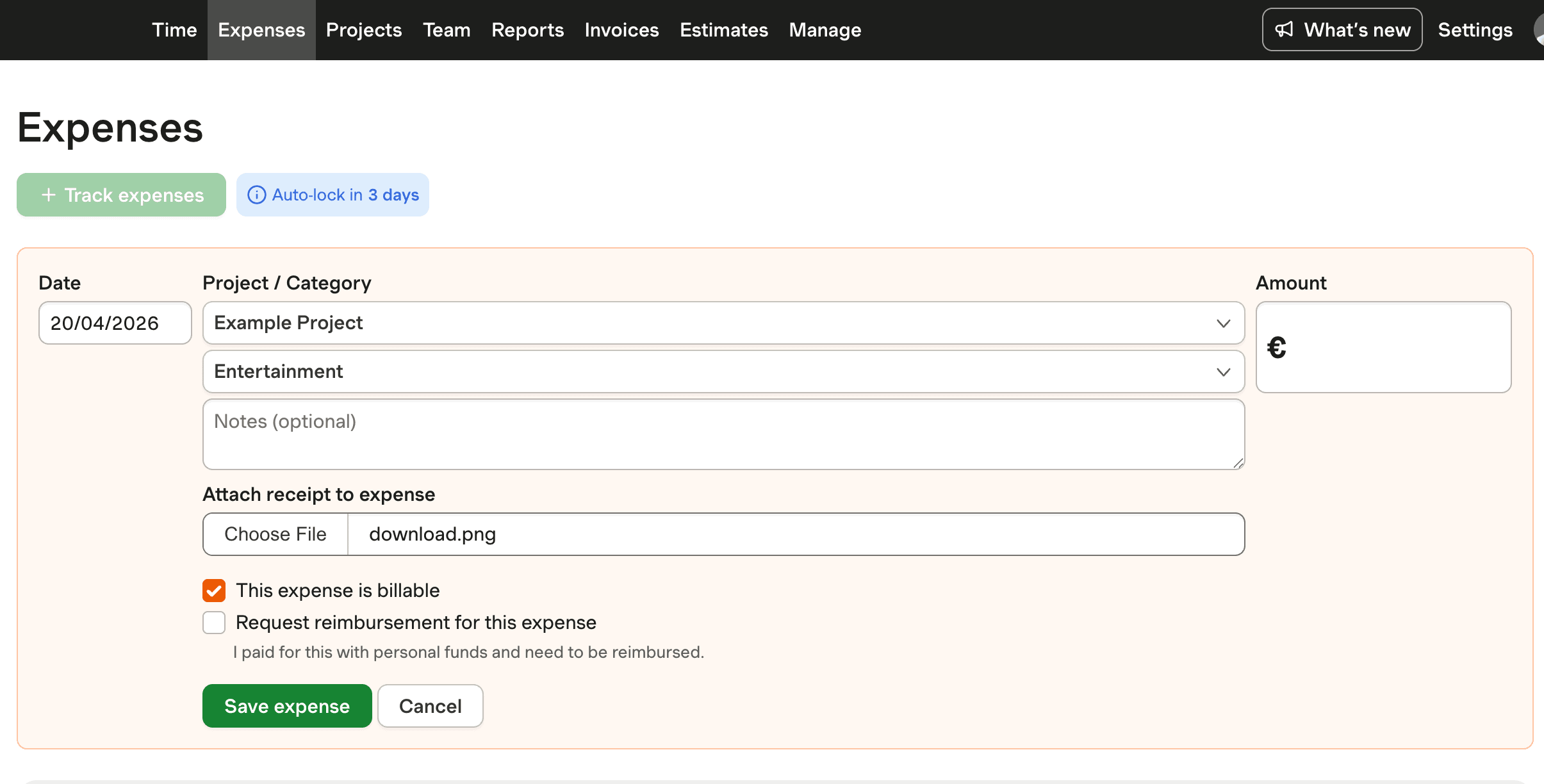
See how Harvest's iOS app streamlines mileage tracking with manual entry and offline capabilities for project-based expenses.

Harvest mileage tracking interface for iOS showing project-based expense management.

Best Ios Mileage Tracker FAQs

  • The best iOS mileage tracker for business use often includes features like automated trip detection, GPS tracking, and seamless integration with accounting software. These features help ensure accuracy and efficiency. Harvest offers a straightforward solution with manual entry and offline capabilities, suitable for project-based tracking.

  • Automated mileage tracking improves accuracy by utilizing GPS technology to record trips in real-time, reducing the risk of human error and potential overreporting. This method ensures that all trips are logged accurately, which is crucial for compliance with tax regulations.

  • Real-time mileage tracking is important for businesses because it provides accurate data for expense reporting and tax compliance. It helps prevent fraud and ensures that reimbursements are based on precise travel records, saving time and resources.

  • Yes, Harvest allows for offline mileage tracking. This means that users can continue to log their mileage even in areas with poor signal, and the data will sync once an internet connection is re-established.

  • Harvest helps with project-based mileage tracking by allowing users to segment expenses by project or client. This feature is particularly useful for businesses that need detailed reporting on travel expenses related to specific projects.

  • In the US, the IRS requires mileage logs to include the date, purpose, starting and ending locations, and total miles for each trip. These records must be kept contemporaneously to ensure accuracy and compliance during audits.

  • Automated mileage tracking can save significant time, with sales representatives, for example, saving an average of 42 hours annually on mileage entry tasks. This efficiency allows employees to focus on more value-added activities.