
Harvest
Expenses
Sign up

Gps Mileage Tracker

Harvest simplifies mileage tracking by allowing manual entry of expenses, perfect for teams needing detailed project budgets and client invoices.

  • Attach receipts to projects & tasks
  • Turn tracked expenses into client invoices
  • Free 30-day trial, no credit card needed

or drag & drop • Images and PDFs, max 10 MB

The Challenges of Manual Mileage Tracking

Tracking mileage manually can be a cumbersome process, prone to human error and oversight. Many businesses face the challenge of maintaining accurate mileage logs, which are crucial for calculating tax deductions and reimbursing employees. According to industry insights, traditional manual methods can lead to inaccuracies and inefficiencies, costing businesses valuable time and potential tax savings. In fact, automated mileage tracking solutions are shown to save drivers an average of 42 hours annually by eliminating the need for manual entries.

For teams looking to incorporate mileage into project budgets and client invoices, Harvest offers a practical solution. While Harvest does not provide GPS-based tracking, it facilitates straightforward mileage expense entry, allowing users to manually log their miles as part of their overall expense management strategy. This approach ensures that all project-related costs, including mileage, are accounted for efficiently, supporting more accurate financial reporting and client billing.
Optimizing Business Expenses with Harvest

Accurate mileage tracking is not only about compliance but also about optimizing business expenses. Many companies, especially those with remote employees, have adopted GPS tracking technologies for better expense management. For instance, GPS tracking is utilized by 39% of companies for mileage monitoring and by 29% for route optimization, reflecting its importance in reducing operational costs.

While Harvest does not offer GPS tracking, it integrates seamlessly with major accounting platforms like QuickBooks and Xero for invoicing purposes, helping businesses streamline their financial operations. This integration allows companies to consolidate their expense management process, ensuring that mileage, alongside other expenses, is effectively tracked and billed. By using Harvest's manual mileage entry feature, businesses can maintain a clear record of all travel-related costs, aiding in more precise budgeting and financial planning.

Maximizing Tax Deductions with Accurate Mileage Logs

For businesses and individuals, maintaining IRS-compliant mileage logs is essential for maximizing tax deductions. The IRS requires documentation of the date, purpose, and distance of each trip for tax deduction purposes. However, without GPS-enabled solutions, ensuring compliance can be challenging.

Harvest allows users to manually enter mileage as part of their expense tracking, which can be a viable option for those looking to maintain structured records for tax purposes. This manual entry system ensures that all necessary details are logged accurately, helping businesses to stay compliant and potentially increase their tax deductions. Although Harvest does not automate this process, its straightforward interface supports teams in organizing and managing their mileage expenses efficiently.

Enhancing Operational Efficiency with Harvest

Operational efficiency is a key concern for businesses, particularly those with mobile workforces. GPS tracking technology is often leveraged to improve fleet management, with studies indicating that companies can save up to $33,000 annually on fuel by optimizing routes. This technology also supports better resource allocation and service delivery, critical for industries like logistics and field services.

Even without GPS capabilities, Harvest contributes to operational efficiency by enabling teams to track and manage expenses, including mileage, in a centralized manner. The platform's integration with invoicing tools ensures that all project-related expenses are captured and billed appropriately, reducing administrative burdens and enhancing financial transparency. By adopting Harvest, businesses can focus on optimizing their operations without the complexities of GPS tracking, relying on a robust manual system to support their expense management needs.

Track Mileage with Harvest

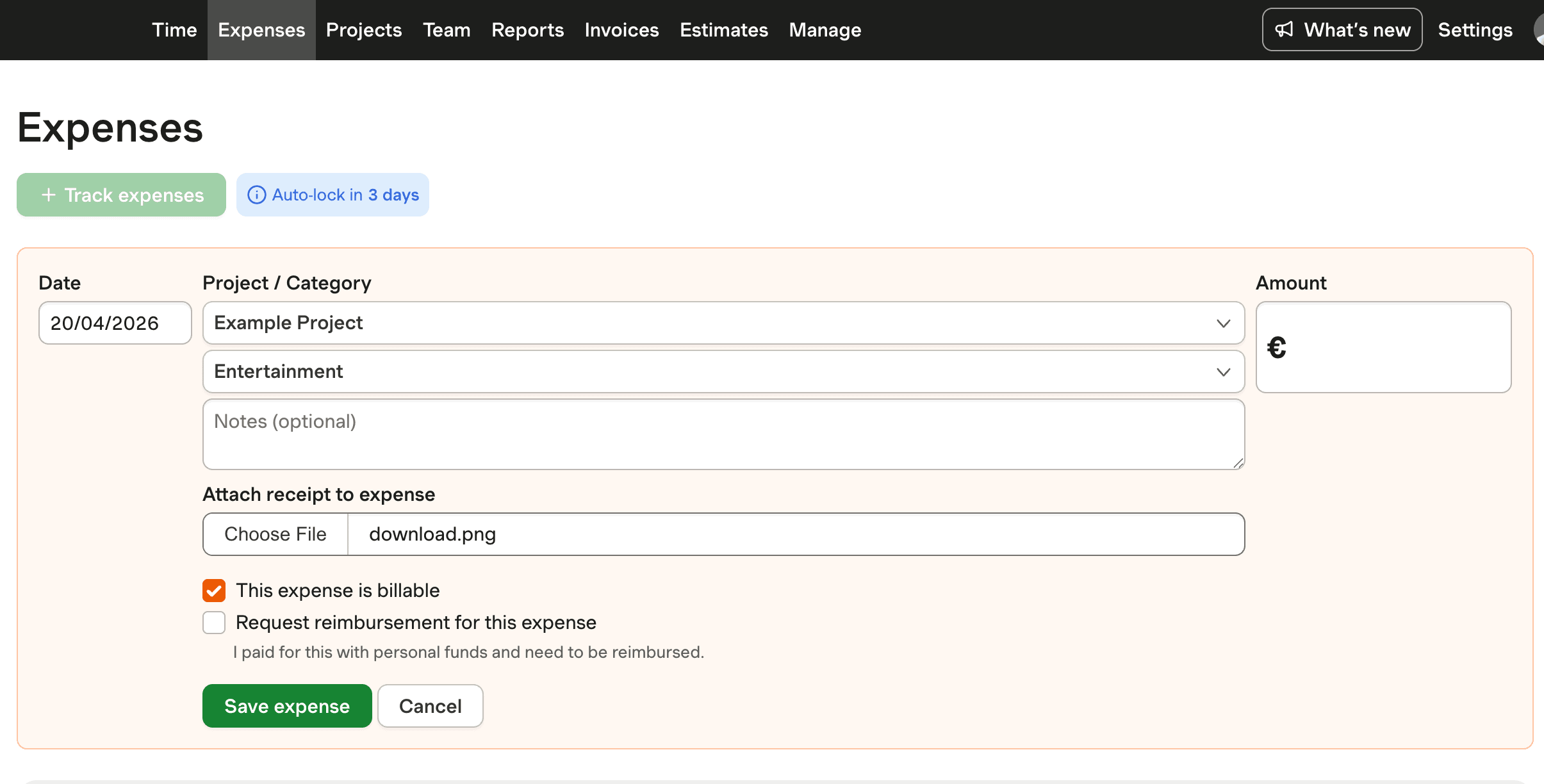
Harvest allows you to manually enter mileage expenses, integrating them into your project budgets and client invoices seamlessly.

Harvest mileage tracking dashboard for manual expense entry

Gps Mileage Tracker FAQs

  • GPS mileage trackers work by using Global Positioning System technology to monitor and record the distance traveled by a vehicle. These systems automatically log trips, distinguishing between personal and business mileage, and are often used for tax deductions and expense reimbursement. However, Harvest provides a manual mileage tracking solution, where users input mileage as part of their expense management.

  • To ensure IRS compliance, businesses must document the date, purpose, and distance of each trip. Automated systems can streamline this process, but Harvest provides a manual solution where users can log these details as part of their expense tracking. This ensures that all necessary information is recorded accurately for tax purposes.

  • Yes, Harvest allows users to manually track mileage expenses. This feature is particularly useful for teams that need to include mileage in their project budgets and client invoices. While it doesn't offer GPS tracking, it provides an efficient way to manage mileage as part of overall expense reporting.

  • Common challenges with GPS mileage tracking include privacy concerns, battery drain, and distinguishing between personal and business trips. Advanced systems use AI to learn travel patterns and improve accuracy. Harvest, however, addresses these challenges by focusing on manual mileage entry, ensuring user privacy and control over logged data.

  • Harvest integrates with major accounting platforms like QuickBooks and Xero for invoicing purposes. This integration helps streamline financial operations by consolidating expense management, including manually tracked mileage, into one cohesive system. However, it does not sync expenses directly with these systems.

  • Accurate mileage tracking is crucial for maximizing tax deductions, ensuring fair employee reimbursement, and maintaining compliance with tax regulations. Manual tracking systems like Harvest enable businesses to keep detailed records, supporting financial accuracy and operational efficiency.