
Harvest
Expenses
Sign up

Saas Expense Management

Harvest simplifies project-based expense tracking and invoicing, offering efficiency for small-to-medium businesses navigating SaaS costs.

EXPENSE REPORT DRAFT

Drop your receipts here or click to upload

Images and PDFs (max 10 MB each)

Date
Category
Merchant
Description
Amount
Total
$0.00

Customise report

Appearance

Show report title

Report settings

The Growing Importance of SaaS Expense Management

In 2023, SaaS spending surpassed on-premises software, marking a pivotal shift in how organizations allocate their budgets. As the global SaaS market is projected to skyrocket from $317.55 billion in 2024 to $1,228.87 billion by 2032, the need for effective expense management becomes ever more critical. Companies often underestimate their SaaS portfolio size by 1.7 times and their spend by 3 times, leading to hidden costs and inefficiencies. With the average enterprise managing around 305 SaaS applications, it's easy to see how decentralized purchasing can complicate expense management.

To navigate these complexities, organizations must implement robust strategies to track and control expenditures related to cloud-based software subscriptions. Effective management involves identifying underutilized licenses and redundant applications, which can waste 30% to 50% of SaaS fees. For example, a financial services company saved $1 million annually by eliminating a single redundant Human Capital Management application. Harvest, while not designed for SaaS discovery, excels in tracking project-related expenses, providing the clarity needed to manage project costs efficiently.
Optimizing SaaS Expenditures with Strategic Insights

Organizations frequently encounter challenges like duplicate applications and underutilized licenses, which contribute significantly to SaaS wastage. In fact, Gartner estimates that 30% of SaaS spending is "toxic," meaning it's allocated to unused or underutilized resources. Tackling these issues requires a strategic approach — identifying inefficient spending patterns and renegotiating contracts based on actual usage.

Harvest facilitates effective expense management by offering meticulous tracking of project-based spend, ensuring that every dollar is accounted for. Although it doesn't provide tools for negotiating SaaS contracts, Harvest's detailed invoicing and expense reports can help businesses allocate their resources more effectively by highlighting project-specific financial insights. This precision empowers organizations to maintain financial discipline and optimize their SaaS expenditures strategically.

Best Practices for Effective SaaS Management

Successful SaaS expense management starts with visibility and continues through strategic governance. Developing a comprehensive inventory of all SaaS applications allows organizations to monitor usage and optimize licenses effectively. Companies like a global manufacturing firm have achieved a 35% reduction in SaaS costs by leveraging spend management platforms to analyze usage and consolidate redundant tools.

Harvest supports businesses in managing expenses by automating time and expense tracking for projects, which is crucial for maintaining financial clarity. By integrating Harvest with existing business processes, such as ERP or HRIS systems, companies can streamline workflows and improve spend visibility. Although Harvest is not a SaaS procurement tool, its capabilities in project expense tracking provide a solid foundation for businesses looking to optimize their financial management practices.

Implementing a Culture of Cost Awareness

Creating a cost-aware culture is essential for optimizing SaaS spending. Organizations should promote shared responsibility across teams, encouraging a mindset where cost management is integral to daily operations. This involves centralizing SaaS management strategies while distributing ownership to empower business units with accountability for their tools.

Harvest plays a pivotal role in fostering this culture by providing clear insights into project expenses, enabling teams to track and manage costs effectively. With Harvest, businesses can ensure that their financial practices align with strategic objectives, promoting a disciplined approach to expense management. While not a comprehensive SaaS management platform, Harvest's focus on project-based expenses helps businesses maintain cost control and efficiency.

Leveraging Data for Informed Decision-Making

Data-driven decision-making is at the heart of effective SaaS expense management. By leveraging usage data, businesses can negotiate better terms, optimize license allocations, and identify areas for cost reduction. For example, using detailed analytics, a company discovered that only 89 out of 500 licenses for a creative suite were active, prompting a reevaluation of their license needs.

Harvest supports informed decision-making by providing detailed reports on project expenses and tracked time. While it doesn't offer direct tools for SaaS spend analysis, its capabilities in expense and time tracking allow organizations to gather valuable data for project-specific financial assessments. This helps businesses make informed decisions about resource allocation and optimize their spending in alignment with their strategic goals.

SaaS Expense Management with Harvest

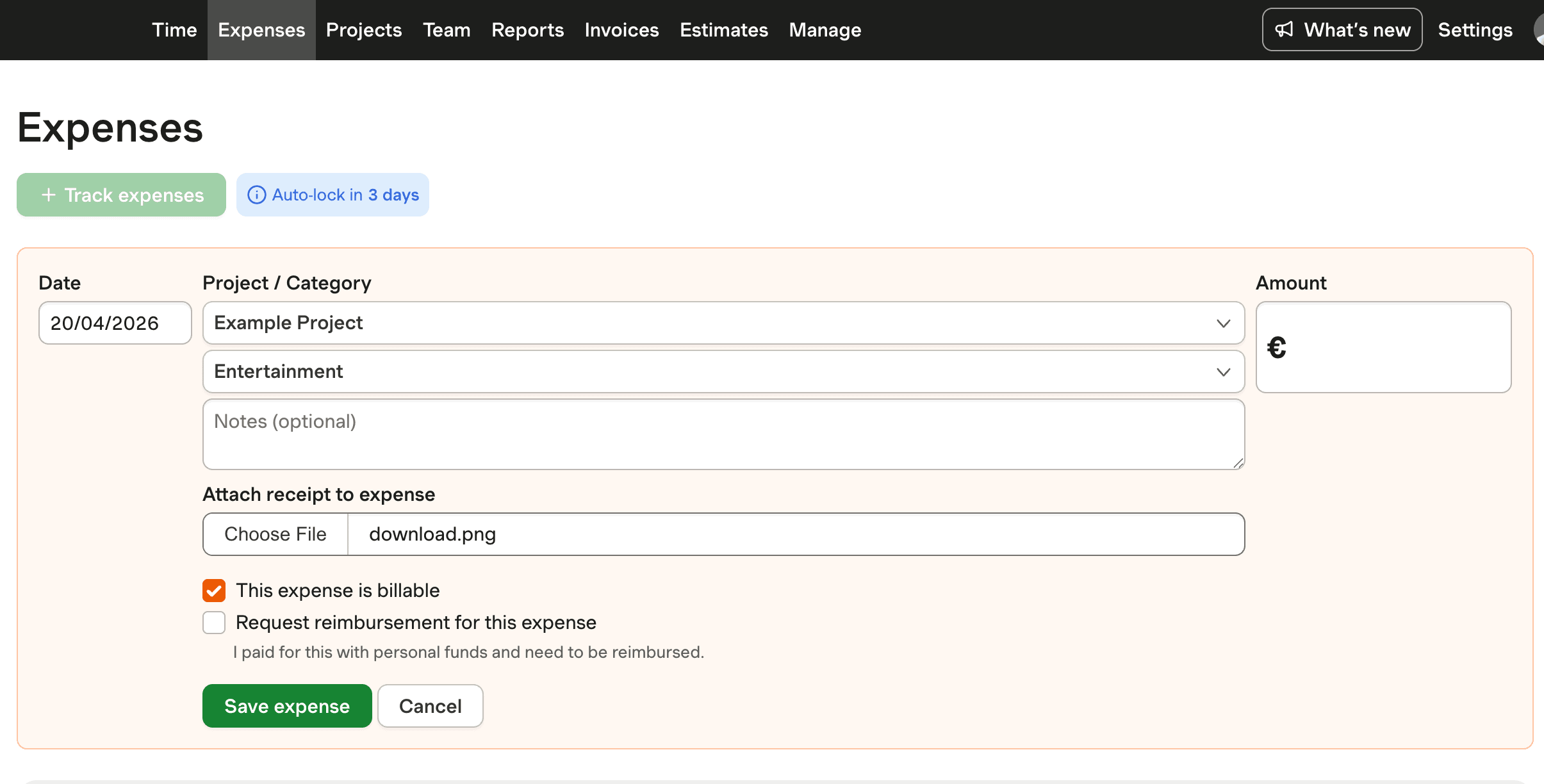
See how Harvest tracks project expenses and invoicing, helping businesses streamline their SaaS cost management.

Screenshot of Harvest's expense tracking feature in a SaaS context.

Saas Expense Management FAQs

  • SaaS expense management involves tracking, optimizing, and controlling expenditures related to cloud-based software subscriptions. It's crucial for maximizing value and minimizing risks in the modern business landscape.

  • Companies can optimize SaaS spending by auditing their software usage, consolidating redundant tools, and negotiating contracts based on actual usage data. Regularly reviewing SaaS portfolios helps identify inefficiencies and opportunities for savings.

  • Common challenges include managing decentralized purchases, underutilized licenses, and redundant applications. These issues can lead to significant financial waste if not addressed promptly with strategic management.

  • Harvest excels in tracking project-based expenses and invoicing, providing businesses with clear insights into their spending. This helps in maintaining financial discipline and optimizing resource allocation.

  • Visibility is crucial for identifying all SaaS tools in use, monitoring their usage, and optimizing licenses. Without visibility, organizations risk overspending on unused or redundant applications.

  • Automating expense tracking reduces manual errors, saves time, and provides accurate data for financial analysis. It allows businesses to focus on strategic initiatives rather than administrative tasks.

  • Yes, Harvest can integrate with ERP and HRIS systems to streamline workflows and enhance spend visibility, providing a more comprehensive view of project-related expenses.