
Harvest
Expenses
Sign up

Expense Management Workflow

Tired of manual expense management causing errors and inefficiencies? Harvest offers a project-based solution that simplifies tracking and invoicing.

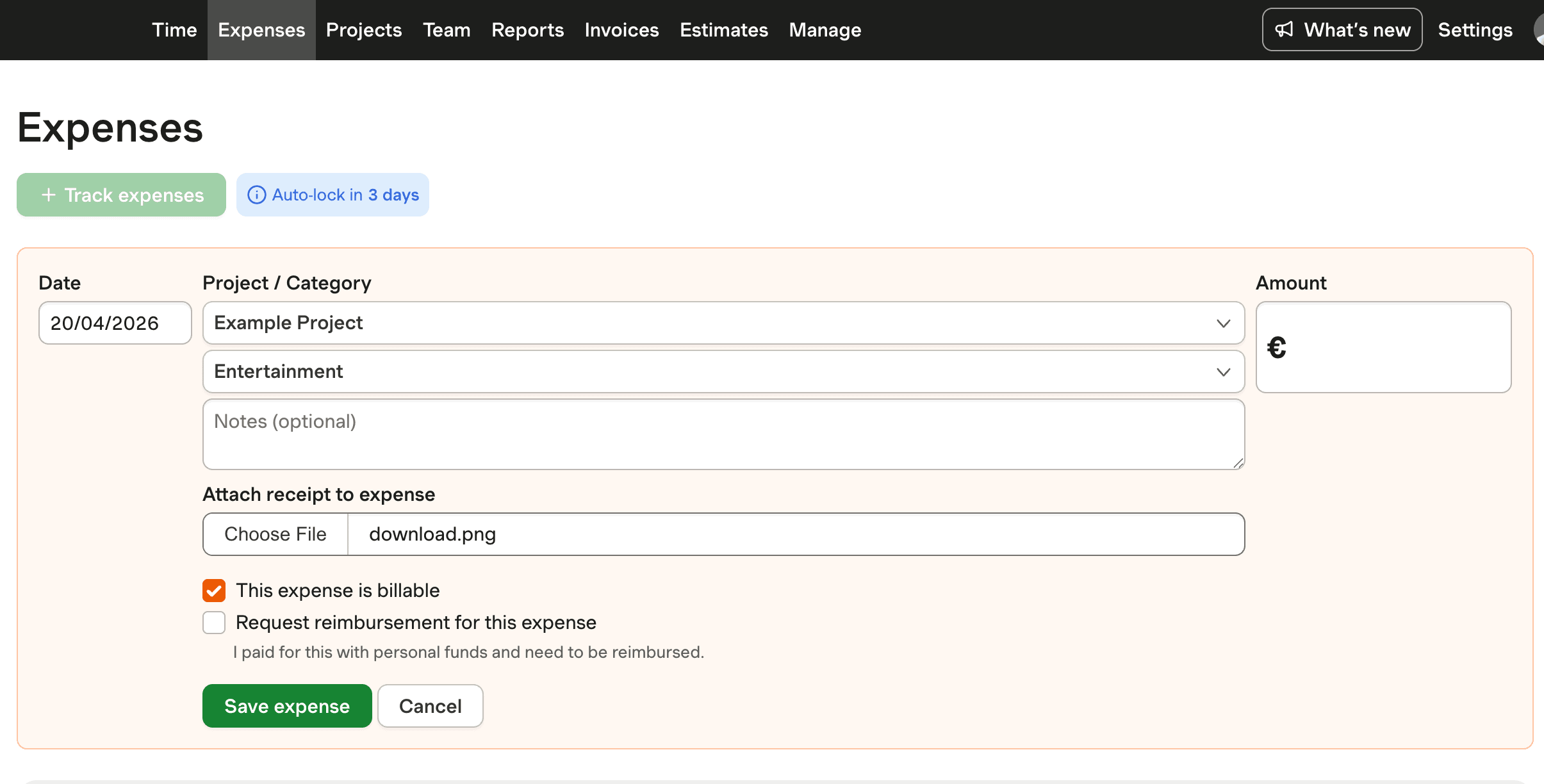
  • Attach receipts to projects & tasks
  • Turn tracked expenses into client invoices
  • Free 30-day trial, no credit card needed

or drag & drop • Images and PDFs, max 10 MB

Understanding Expense Management Workflows

An effective expense management workflow streamlines the process of tracking, approving, and reimbursing employee expenses, transforming it from a cumbersome task into a seamless operation. Traditional methods often rely on manual data entry, which can result in significant errors—19% of reports typically contain mistakes, costing an additional $52 and 18 minutes to correct each error. By contrast, automated solutions can reduce processing costs by up to 78% per transaction, significantly enhancing efficiency.

Automation is not just a trend but a necessity, as it reduces the time needed to complete expense reports from 35 minutes to 18 minutes and accounts payable processing from 22 minutes to just five minutes. This shift can save companies an average of 85 hours per month. Harvest supports this transition by offering a project-based expense tracking system that integrates seamlessly with its time tracking and invoicing tools, providing a cohesive solution for small-to-medium businesses.
Components of a Robust Expense Management Workflow

A robust expense management workflow comprises several key components, each contributing to the overall efficiency and accuracy of the process. These include clear expense policies, automated data capture, seamless integration with financial systems, and real-time visibility into spending.

  1. Clear Expense Policies: Well-defined guidelines are crucial, covering permissible expenses, spending limits, and documentation needs. Automated systems can help enforce these policies consistently.
  2. Automated Data Capture: Mobile apps for receipt scanning and digital storage eliminate lost receipts and minimize manual entry errors, significantly improving accuracy.
  3. Integration with Financial Systems: Connecting expense management tools with accounting software and other financial systems ensures seamless data flow and reduces manual re-entry.

While Harvest focuses on project-based expense tracking, its integration capabilities with time tracking and invoicing make it an ideal choice for businesses seeking a simplified yet effective solution.

Optimizing Your Expense Management Process

Optimizing an expense management workflow involves not only implementing technology but also adopting best practices that ensure efficiency and compliance. Establishing clear submission deadlines and ensuring prompt reimbursements are essential steps. Regular audits can help identify discrepancies and areas for improvement, allowing for real-time adjustments and better budget monitoring.

Automation plays a critical role in optimization by reducing processing times and error rates. For instance, companies have reported reducing their month-end close time from 3-5 days to less than 1 day after adopting automated systems. Harvest aids in this optimization by providing detailed expense reports that help businesses maintain accurate financial records, although it does not offer automated policy enforcement or ERP integration.

The Role of Automation in Expense Management

Automation is transforming expense management workflows by enhancing accuracy, reducing fraud, and increasing efficiency. Automated systems can cut processing costs by 40% to 60% and often pay for themselves within six to twelve months. Companies can save up to 78% per transaction, highlighting the financial benefits of automation.

Furthermore, automation reduces the average time spent on expense report processing, freeing up valuable resources for other tasks. Harvest offers a straightforward solution that integrates time tracking with project-based expense management, ensuring that businesses can benefit from these efficiencies without adopting overly complex systems. This makes Harvest particularly suitable for small-to-medium enterprises seeking simplicity and effectiveness.

Streamline with Harvest

See how Harvest optimizes expense management workflows with integrated tracking and invoicing, ideal for small businesses.

Harvest dashboard showing expense management workflow

Expense Management Workflow FAQs

  • Key components include clear expense policies, automated data capture, integration with financial systems, and real-time visibility into spending. These elements ensure a seamless and efficient workflow.

  • Automation enhances accuracy, reduces processing costs by up to 78%, and decreases report completion time. It also minimizes errors, saving companies an average of 85 hours per month in expense management.

  • Track processing times, error rates, and compliance with expense policies. Regular audits and real-time spending visibility can help identify areas for improvement and ensure policy adherence.

  • Implement clear policies, automate receipt capture, integrate with financial systems, and ensure timely submissions and reimbursements. Regular audits and real-time monitoring are also essential.

  • Harvest offers a project-based expense tracking system that integrates with time tracking and invoicing. This makes it ideal for small-to-medium businesses seeking a straightforward solution.

  • Integration eliminates manual data re-entry, reduces errors, and improves financial reporting accuracy, ensuring seamless data flow across systems.