
Harvest
Expenses
Sign up

Doordash Mileage Log

Harvest provides a simple way to manually track mileage expenses, helping DoorDash drivers maintain accurate logs for tax deductions.

  • Attach receipts to projects & tasks
  • Turn tracked expenses into client invoices
  • Free 30-day trial, no credit card needed

or drag & drop • Images and PDFs, max 10 MB

Understanding the Importance of a Mileage Log for DoorDash Drivers

For DoorDash drivers, maintaining an accurate mileage log is crucial to maximizing tax deductions. Failing to track business mileage accurately can lead to significant missed opportunities for savings, as gig workers who diligently document their miles can save between $3,000 and $7,000 annually through deductions. The IRS standard mileage rate for 2026 is set at 72.5 cents per mile, which means a driver logging 20,000 business miles could claim $14,500 in deductions, potentially saving up to $4,350 in taxes at a 25% effective tax rate.

However, many gig workers underestimate the importance of detailed record-keeping, often relying solely on platform-provided data, which may not capture all deductible miles. This oversight underscores the necessity for independent contractors to maintain their own comprehensive logs to ensure compliance and maximize their deductions.
Best Practices for Logging Mileage as a DoorDash Driver

To ensure your mileage log is compliant and maximizes your deductions, follow these best practices. First, record every business trip with the date, starting location, destination, and business purpose. This aligns with IRS requirements for "adequate records," which demand contemporaneous documentation of each journey. Additionally, you should log your vehicle's odometer readings at the beginning and end of each tax year to provide a complete picture of your vehicle's use.

Be wary of common mistakes such as relying on estimates, delaying record entries, and failing to differentiate between business and personal trips. Using precise mileage figures is critical, as tax authorities do not accept approximations. Automated tracking can significantly reduce manual input time, cutting accounting hours by up to 70%, but for platforms like DoorDash, manual tracking is often necessary to capture all relevant data.

How Harvest Can Help with Your Mileage Tracking Needs

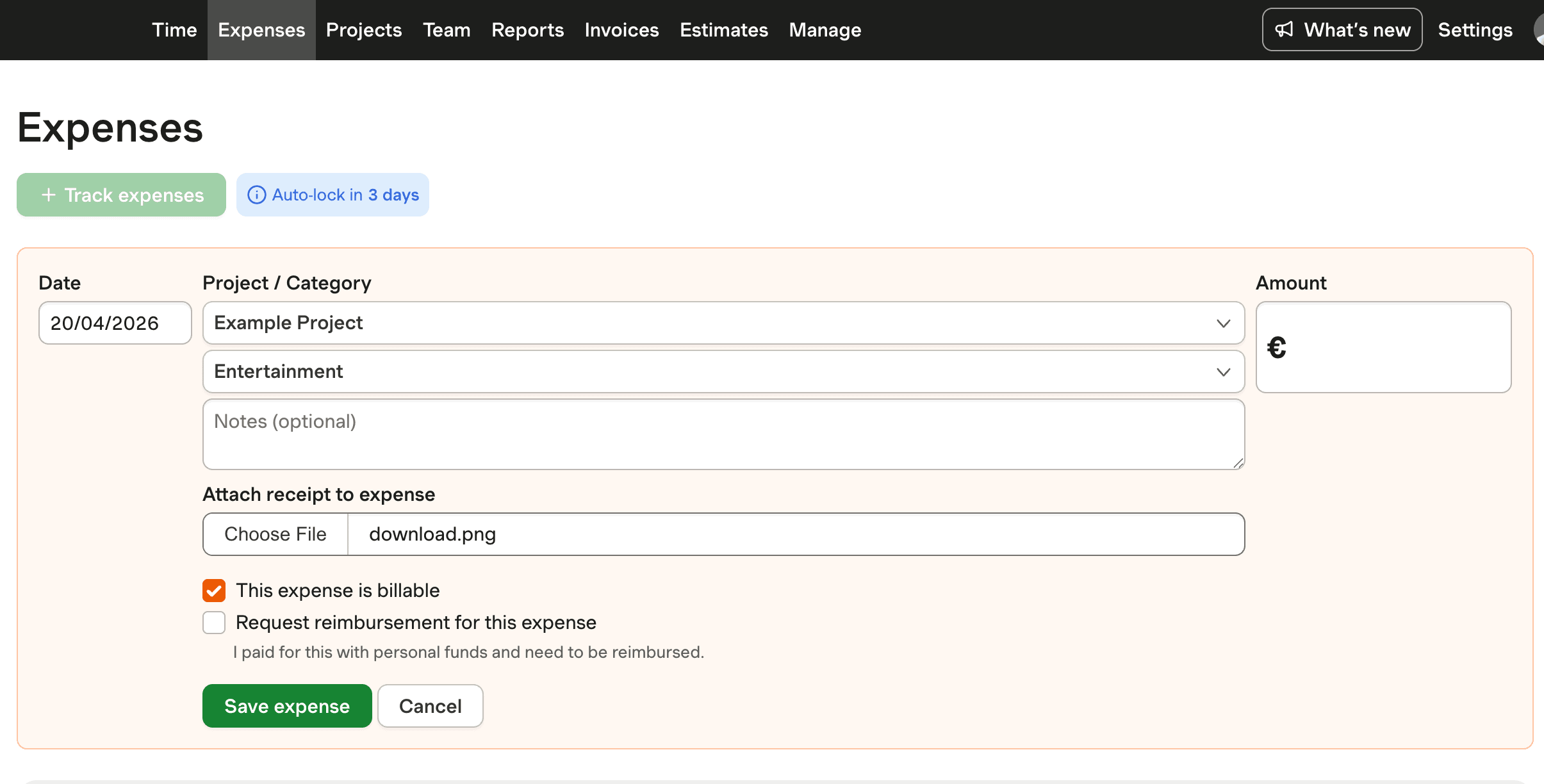
While Harvest does not offer automated mileage tracking or IRS-compliant logs, it provides a straightforward method to manually track mileage expenses. With Harvest, users can record the business purpose of each delivery, ensuring that every mile logged is clearly justified for tax purposes. This feature can be particularly beneficial for DoorDash drivers who need to maintain detailed records without relying solely on platform data.

Harvest's manual tracking system allows users to enter mileage expenses as part of their overall project-based expense tracking. Although this method requires more input than automated solutions, it offers the flexibility to classify expenses according to specific projects or gigs, helping drivers manage their finances more efficiently.

Integrating Mileage Tracking with Business Processes

Integrating mileage tracking with other business processes can streamline operations and enhance financial efficiency. Many mileage tracking applications offer integration with accounting software like Xero, enabling seamless expense reporting and simplifying tax preparation. Although Harvest does not integrate with mileage tracking apps, its project-based expense tracking can complement other financial management tools.

For businesses and independent contractors alike, using data from mileage logs to inform strategic decisions can be invaluable. This data can help analyze transportation costs, forecast future expenses, and make informed decisions regarding vehicle acquisition and maintenance, ultimately contributing to a more financially resilient operation.

Harvest for DoorDash Mileage Tracking

See how Harvest helps DoorDash drivers track mileage manually for accurate tax deduction records, capturing each trip's business purpose.

Harvest interface showing mileage tracking for DoorDash deliveries.

Doordash Mileage Log FAQs

  • Your DoorDash mileage log should include the date, starting location, destination, and business purpose for each trip. Be sure to also log your vehicle's odometer readings at the start and end of each tax year to ensure compliance with IRS requirements.

  • While some apps can automate mileage logging, DoorDash drivers often benefit from manually tracking miles to ensure all deductible trips are captured. Harvest offers a way to record the business purpose of each trip, complementing other tracking apps you may use.

  • To comply with IRS requirements, maintain contemporaneous records that include the date, mileage, and business purpose of each trip. Logs should be accurate and detailed, and it's advisable to record odometer readings at the beginning and end of the tax year.

  • Business miles are those driven for work-related activities, such as deliveries or picking up orders. Commuting miles, typically not deductible, include travel from home to a starting location. Accurately categorizing these is crucial for maximizing deductions.

  • DoorDash may track miles during active deliveries, but this data might not capture all deductible trips. Supplementing with manual tracking, such as using Harvest to record business purposes, ensures comprehensive documentation.

  • Harvest allows DoorDash drivers to manually log mileage expenses and record the business purpose of each trip. This feature helps ensure all necessary documentation is available for tax purposes.

  • Automated mileage tracking can reduce manual entry time, increase accuracy, and ensure compliance with tax requirements. Although Harvest requires manual entry, it complements automated systems by allowing detailed business purpose documentation.

  • Logging odometer readings at the start and end of each tax year provides a comprehensive view of your vehicle's use and supports mileage deductions with documented evidence, a requirement for IRS compliance.