
Harvest
Expenses
Sign up

Free Mileage Tracker for Taxes

Harvest offers a straightforward way to manually track mileage and expenses, integrating them into project-based expense reports for small businesses and freelancers.

  • Attach receipts to projects & tasks
  • Turn tracked expenses into client invoices
  • Free 30-day trial, no credit card needed

or drag & drop • Images and PDFs, max 10 MB

Why Accurate Mileage Tracking Matters for Tax Deductions

Accurate mileage tracking is crucial for maximizing tax deductions, as it directly impacts the amount of eligible expenses you can claim. The IRS mandates detailed, contemporaneous records to substantiate these deductions. Without precise logs, you risk losing out on significant savings or facing penalties during an audit. For instance, a healthcare provider reduced reported mileage by 22%, saving over $53,000 annually after implementing precise tracking methods. This highlights the financial impact of meticulous documentation.

To stay compliant, mileage logs must include the date, destination, purpose, and total miles driven. Additionally, annual odometer readings are required to support total mileage calculations. It's recommended to retain these records for at least three to five years, aligning with the IRS's audit window. By leveraging a robust system like Harvest, you can integrate mileage tracking with expense reporting to streamline tax preparation and ensure compliance.
The Evolution of Mileage Tracking: From Manual Logs to Automation

The evolution from manual mileage logs to automated solutions has transformed how individuals and businesses manage travel expenses. Historically, paper logbooks were prone to errors like lost records or miscalculations. The shift to digital, GPS-based systems has drastically improved accuracy and efficiency, reducing administrative workloads by up to 70% in some cases. For example, a distribution company saw significant gains in productivity and accuracy after transitioning to automated mileage tracking.

While automated GPS tracking is not a feature of Harvest, the platform offers a streamlined way to manually track and integrate mileage with other expenses. This approach still allows for accurate tax preparation and financial analysis, helping users understand their true profitability and tax liabilities.

How Harvest Simplifies Mileage Tracking for Tax Purposes

Harvest simplifies mileage tracking by integrating it into its comprehensive expense reporting system. Although it requires manual entry, the ability to seamlessly include mileage with other project-related expenses helps small businesses and freelancers prepare for taxes effectively. By entering mileage as a quantity, users can maintain detailed records that are essential for tax deductions.

This integration not only aids in tax preparation but also supports better financial management. Users can analyze their expenses, plan for future projects, and ensure they capture all eligible deductions. Despite not offering automated GPS tracking, Harvest's manual system supports users in maintaining IRS-compliant records, ultimately leading to maximized tax savings.

Maximizing Tax Deductions: Best Practices for Mileage Tracking

To maximize tax deductions through mileage tracking, it's crucial to follow best practices. Start by using a reliable system like Harvest to record all relevant details for each trip, including date, destination, and business purpose. Remember, commuting miles are non-deductible, so ensure your logs differentiate these from business trips.

Automation can significantly enhance accuracy, but even with manual systems, you can achieve great results. Regularly review your logs for completeness and accuracy to avoid audit challenges. Integrating mileage tracking with broader expense management systems can also streamline tax preparation and reduce administrative burdens.

Understanding IRS rules for deductible miles, such as those related to business travel and medical purposes, is essential. By adopting a methodical approach with Harvest, you can ensure your mileage logs are both accurate and compliant, maximizing your deductions efficiently.

Track Mileage with Harvest

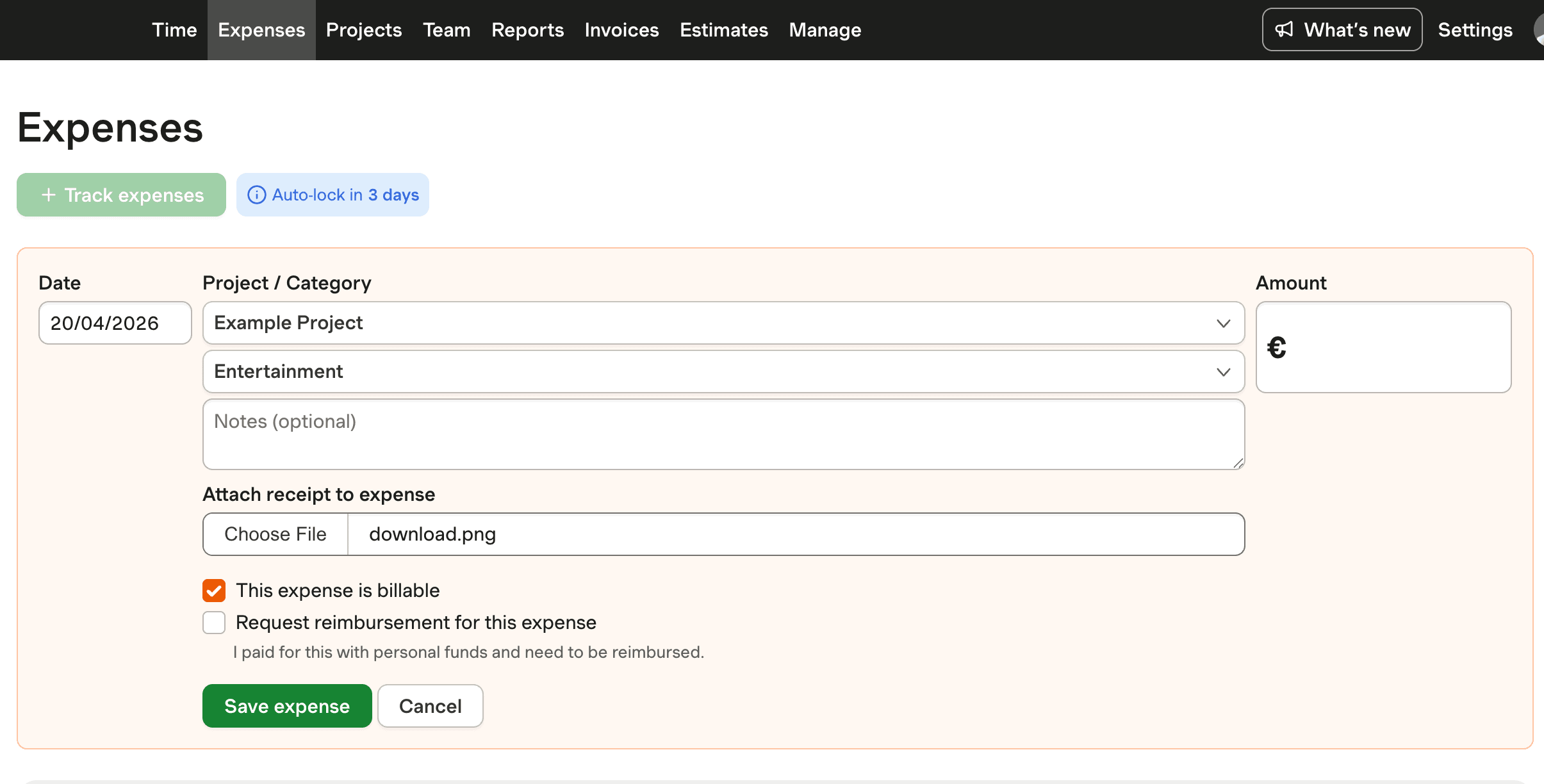
Harvest allows you to track mileage manually, integrating it into expense reports for effective tax preparation. Maximize your deductions today!

Harvest interface showing mileage tracking for tax purposes.

Free Mileage Tracker for Taxes FAQs

  • When choosing a mileage tracker for tax purposes, look for features like the ability to track trips in real-time, automatic GPS tracking, and integration with expense reporting systems. Accurate record-keeping is essential for maximizing deductions.

  • To ensure IRS compliance, maintain detailed records including the date, destination, business purpose, and total miles driven for each trip. Retain annual odometer readings and keep logs for three to five years, as they may be needed during audits.

  • Yes, Harvest helps with tax preparation by integrating mileage tracking with its expense reporting features. While it requires manual entry, this integration ensures you have detailed records for accurate tax filing.

  • Automated mileage tracking reduces errors, saves time, and provides accurate data for tax deductions. It eliminates the need for manual entry, ensuring higher accuracy and compliance with IRS requirements.

  • Yes, manual mileage tracking can still maximize tax deductions if done accurately. Use a reliable system like Harvest to record all necessary details, and regularly review logs to ensure they are complete and accurate.

  • Harvest users can manually enter mileage data into the system, integrating it with other project expenses. This approach ensures detailed records for tax deductions, helping users prepare their taxes effectively.

  • The IRS standard mileage rate for 2024 is 67 cents per mile, reflecting costs like fuel, maintenance, and depreciation. This rate often adjusts based on economic conditions such as inflation and fuel prices.

  • It's important because commuting miles, or travel between home and a fixed workplace, are not deductible. Only business-related trips, such as client visits or travel between job sites, can be claimed on taxes.