
Harvest
Expenses
Sign up

Expense Management Dynamics 365 for Finance and Operations

Harvest offers a simple, project-based expense tracking solution that integrates seamlessly with time tracking and invoicing, ideal for small-to-medium businesses.

EXPENSE REPORT DRAFT

Drop your receipts here or click to upload

Images and PDFs (max 10 MB each)

Date
Category
Merchant
Description
Amount
Total
$0.00

Customise report

Appearance

Show report title

Report settings

Understanding Expense Management in Dynamics 365

Expense management within Dynamics 365 for Finance and Operations is a comprehensive solution designed to streamline and automate the management of business expenditures. Moving away from traditional methods of handling expenses, this platform leverages digital transformation to improve accuracy and efficiency. By eliminating the need for manual data entry, Dynamics 365 reduces the chances of errors and fraud, thus enhancing overall productivity.

One of the standout features of Dynamics 365 is its ability to integrate expense management with other business processes, ensuring a seamless flow of financial data across departments. This integration allows for real-time data updates and consistent financial information, providing a single source of truth for decision-making. As businesses adopt mobile and AI-driven solutions, Dynamics 365 enables employees to capture receipts and submit reports with ease, using technologies like Optical Character Recognition (OCR) to automate data entry.
Setting Up Expense Management in Dynamics 365

Setting up expense management in Dynamics 365 involves several key steps to ensure a smooth and effective implementation. Firstly, organizations need to assess their current expense practices and identify specific pain points. This assessment helps in tailoring the setup to address unique business needs. Secondly, defining clear expense policies and guidelines is crucial. These policies should specify allowable expenses, spending limits, and documentation requirements.

Once policies are established, selecting and implementing suitable software features within Dynamics 365 becomes the next step. This includes configuring the system to automate expense reporting and approval workflows. Training employees to use these tools effectively is essential to maximize the benefits. By setting clear spending limits and defining reimbursable expenses, businesses can streamline their expense management processes and avoid common pitfalls such as missing receipts or delayed expense reporting.

Best Practices for Managing Expenses with Dynamics 365

Implementing best practices in expense management with Dynamics 365 can significantly enhance financial oversight and control. One essential practice is integrating expense management with Enterprise Resource Planning (ERP) systems to ensure accurate financial data and streamline workflows. This integration boosts efficiency by automating data entry and reducing errors, providing real-time visibility into expenses.

Another best practice is establishing a structured approval workflow, often tiered based on expense amount or role, which helps in maintaining control over spending. Additionally, defining all policy terms with hard cutoffs and using mobile apps for instant uploads can prevent issues related to incomplete or duplicate receipts. By adopting these practices, businesses can improve compliance and make informed financial decisions.

Furthermore, leveraging mobile and AI-driven solutions within Dynamics 365 can transform expense management into a more strategic function. These technologies not only automate data entry but also detect anomalies and improve compliance, offering deeper insights into financial health and enabling more informed decision-making.

Challenges and Solutions in Expense Management

Managing expenses effectively can present several challenges, but Dynamics 365 offers solutions to address them. Common issues include poor tracking of expenses, delayed approvals, and the use of outdated manual processes. These challenges can lead to inaccuracies and inefficiencies, ultimately affecting a company's bottom line.

To overcome these challenges, Dynamics 365 provides automation features that streamline the entire expense management process. By automating data capture and approval workflows, the system reduces the time and effort required, allowing finance teams to focus on strategic tasks. Additionally, integrating expense management with other modules in Dynamics 365 ensures seamless data sharing and consistency across departments, further enhancing operational efficiency.

Moreover, businesses can leverage the platform's mobile capabilities to allow employees to submit expenses on the go, reducing delays and ensuring timely reporting. By addressing these challenges with robust solutions, Dynamics 365 helps businesses maintain control over their expenses and improve their financial health.

How Harvest Complements Dynamics 365 for Project-Based Businesses

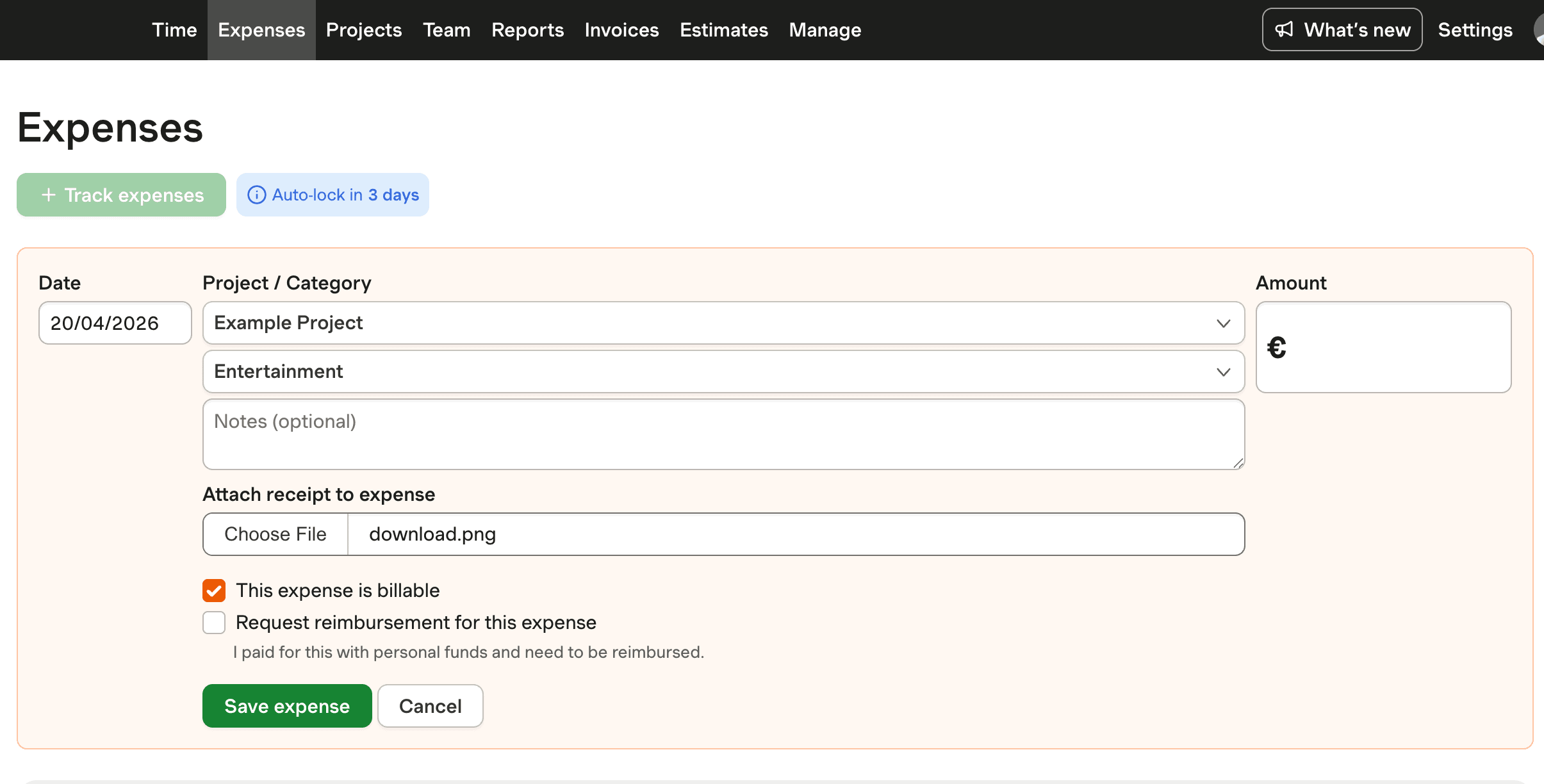
While Dynamics 365 offers comprehensive expense management solutions, Harvest complements these capabilities by providing a project-based expense tracking system. Harvest integrates seamlessly with time tracking and invoicing, making it ideal for small-to-medium businesses that need a streamlined approach to manage project-specific expenses.

Harvest allows businesses to track expenses by project, ensuring accurate tracking with project codes. This integration enhances the user experience by combining expense management with time tracking and invoicing in one platform. Although Harvest does not offer customizable approval workflows or real-time analytics, its detailed expense reports can be filtered and exported for further analysis.

With Harvest, project-based businesses can ensure that all expenses are accurately tracked and managed, providing a clear view of project costs and contributing to better financial decision-making. By leveraging Harvest alongside Dynamics 365, businesses can optimize their expense management processes and achieve greater efficiency.

Optimize Expense Management with Harvest

See how Harvest's project-based tracking complements Dynamics 365, streamlining time tracking and invoicing.

Screenshot of Harvest's project-based expense tracking integrated with Dynamics 365

Expense Management Dynamics 365 for Finance and Operations FAQs

  • Dynamics 365 offers automated expense reporting, integration with other modules, and mobile capabilities for capturing receipts. These features streamline the tracking and approval of business expenditures.

  • Setting up involves assessing current practices, defining clear policies, selecting suitable features, and training employees. This process ensures a smooth transition to automated expense management.

  • Best practices include integrating with ERP systems, establishing structured approval workflows, and leveraging mobile and AI-driven solutions for real-time data entry and anomaly detection.

  • Expense management in Dynamics 365 integrates seamlessly with other modules, ensuring consistent financial data and streamlined workflows across departments.

  • Dynamics 365 addresses challenges like poor tracking, delayed approvals, and manual processes by providing automation features and mobile capabilities for efficient expense management.

  • Harvest enhances tracking by integrating expenses with project codes, time tracking, and invoicing, offering a streamlined solution for small-to-medium businesses managing project costs.

  • Yes, Harvest can complement Dynamics 365 by providing project-based expense tracking and integration with time tracking and invoicing, enhancing overall expense management efficiency.