
Harvest
Expenses
Sign up

Doordash How to Track Mileage

Harvest enables DoorDash drivers to manually track mileage for tax deductions, helping to capture every deductible mile accurately and maximize savings.

  • Attach receipts to projects & tasks
  • Turn tracked expenses into client invoices
  • Free 30-day trial, no credit card needed

or drag & drop • Images and PDFs, max 10 MB

The Importance of Accurate Mileage Tracking for DoorDash Drivers

Accurate mileage tracking is crucial for DoorDash drivers aiming to maximize their tax deductions. Many gig workers underestimate the volume of their business miles, often capturing only 30-50% of actual miles driven. This oversight can result in substantial missed deductions, translating to a potential loss of hundreds, if not thousands, in tax savings. For instance, a gig worker driving 15,000 business miles annually could save between $1,300 to $2,400 in taxes at the standard mileage rate.

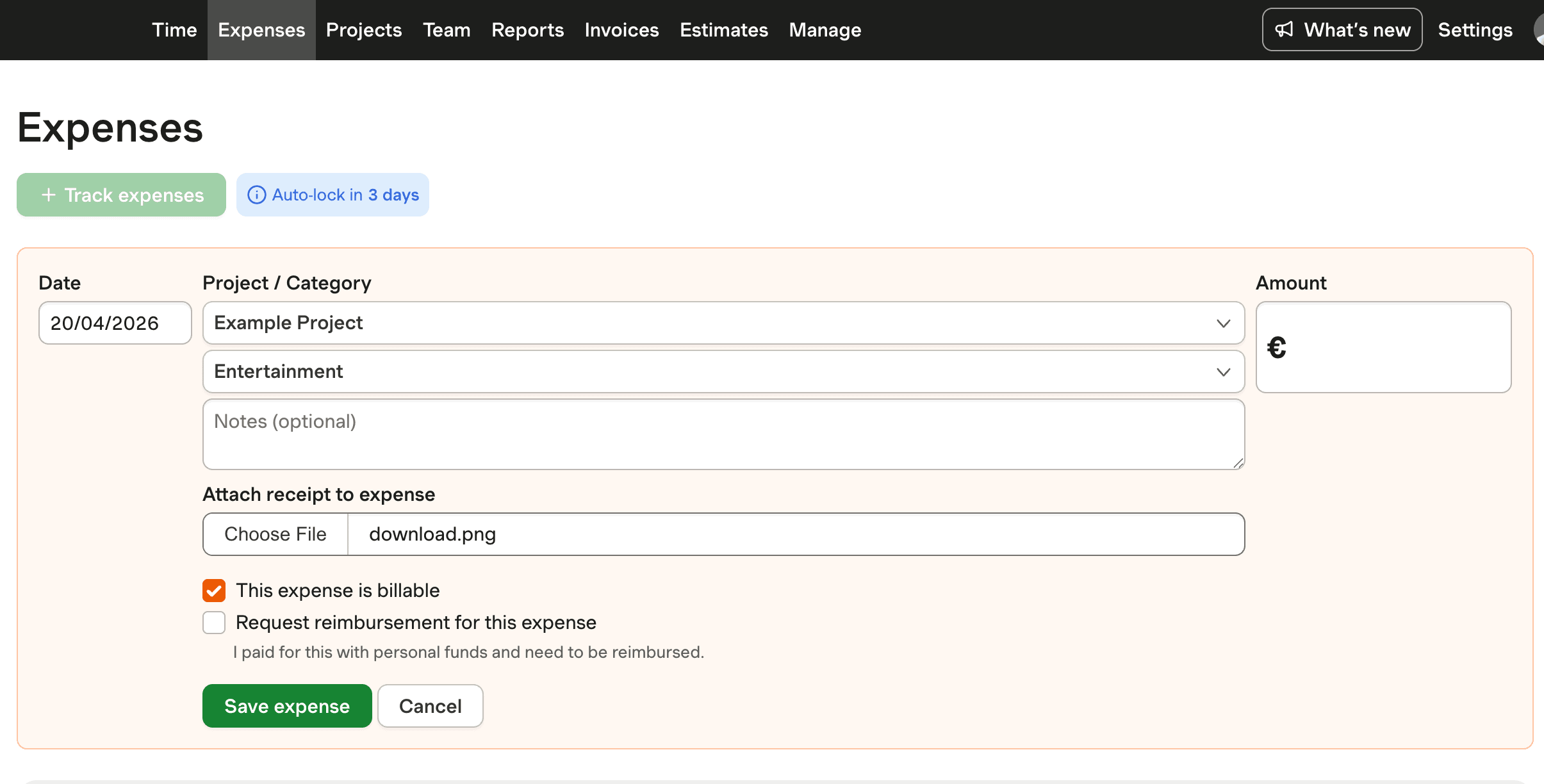
Harvest offers a solution for tracking mileage manually, providing a way to record all business-related miles, including those often overlooked, like trips between delivery zones or errands for supplies. By entering mileage quantities and applying predefined rates, drivers can ensure every mile is accounted for, maximizing their potential deductions.
Manual Mileage Entry: An Effective Method with Harvest

While many may assume that automatic GPS-based tracking is the only way forward, manual tracking remains a viable and effective method, particularly with tools like Harvest. Unlike some apps that only record active delivery miles, Harvest allows users to log all business miles manually, ensuring comprehensive record-keeping.

To maintain accurate records, drivers should log the date, destination, purpose, and mileage for each trip. This method not only satisfies IRS requirements but also helps in understanding true profitability by comparing mileage with income. Harvest facilitates this by allowing users to enter mileage and apply a set rate, making it easier to calculate deductions without missing any crucial data.

Common Mileage Tracking Mistakes and How to Avoid Them

Many DoorDash drivers fall into common pitfalls when tracking mileage, such as estimating miles or confusing personal trips with business ones. It's vital to avoid these errors to ensure compliance and maximize deductions. The IRS requires detailed, contemporaneous logs, which means all records should be made at or near the time of the trip, not estimated later.

Harvest helps users avoid these mistakes by offering a straightforward method to manually input mileage data. By ensuring accurate entries of each trip's details, drivers can avoid the headaches of audits and penalties. Moreover, keeping separate logs for personal and business trips and using Harvest's predefined rates ensures that all necessary data is captured accurately.

Integrating Mileage Tracking with Financial Management

Effective mileage tracking is more than just a tax season task; it is integral to ongoing financial management for gig workers. By integrating mileage tracking with other business processes, drivers can streamline their financial operations. For instance, many tracking tools offer features like expense management and report generation.

While Harvest does not provide GPS tracking, it excels in integrating manual mileage entries into broader financial management strategies. Users can manage project expenses and generate IRS-compliant reports, ensuring that all financial data remains organized and accessible. This integration not only aids in tax preparation but also provides insights into the profitability of different gigs.

Harvest for Mileage Tracking

See how Harvest enables DoorDash drivers to manually track mileage, ensuring accurate records for tax deductions.

Harvest interface showing manual mileage tracking for DoorDash.

Doordash How to Track Mileage FAQs

  • DoorDash drivers can track mileage by using manual logs or automatic GPS-based apps. Manual tracking, as offered by Harvest, allows for detailed entry of each trip's details, ensuring accurate and comprehensive records for tax purposes.

  • Harvest allows DoorDash drivers to manually track mileage by entering trip quantities and applying predefined rates. This method ensures all business-related miles are captured, maximizing potential tax deductions.

  • Tracking every business mile is crucial for maximizing tax deductions. Missed miles can lead to significant financial losses. Accurate tracking, as facilitated by Harvest, prevents these oversights, ensuring full deduction eligibility.

  • For IRS compliance, keep records of the date, destination, purpose, and miles driven for each trip. Additionally, record your vehicle's odometer readings at the start and end of the year. Harvest helps organize these entries effectively.

  • Yes, Harvest can integrate mileage tracking with broader financial management tasks. It allows users to manage project expenses and generate IRS-compliant reports, aiding in comprehensive financial organization.

  • Manual logging can lead to errors if not done consistently. Common pitfalls include estimating mileage or confusing personal and business trips. Harvest's structured entry system helps avoid these by ensuring accurate data input.

  • Automatic tracking uses GPS to log trips without user input, capturing all driving accurately. Manual tracking, like that offered by Harvest, requires active entry but ensures detailed, customized logs, crucial for IRS compliance.