
Harvest
Expenses
Sign up

Expense Report in Swahili

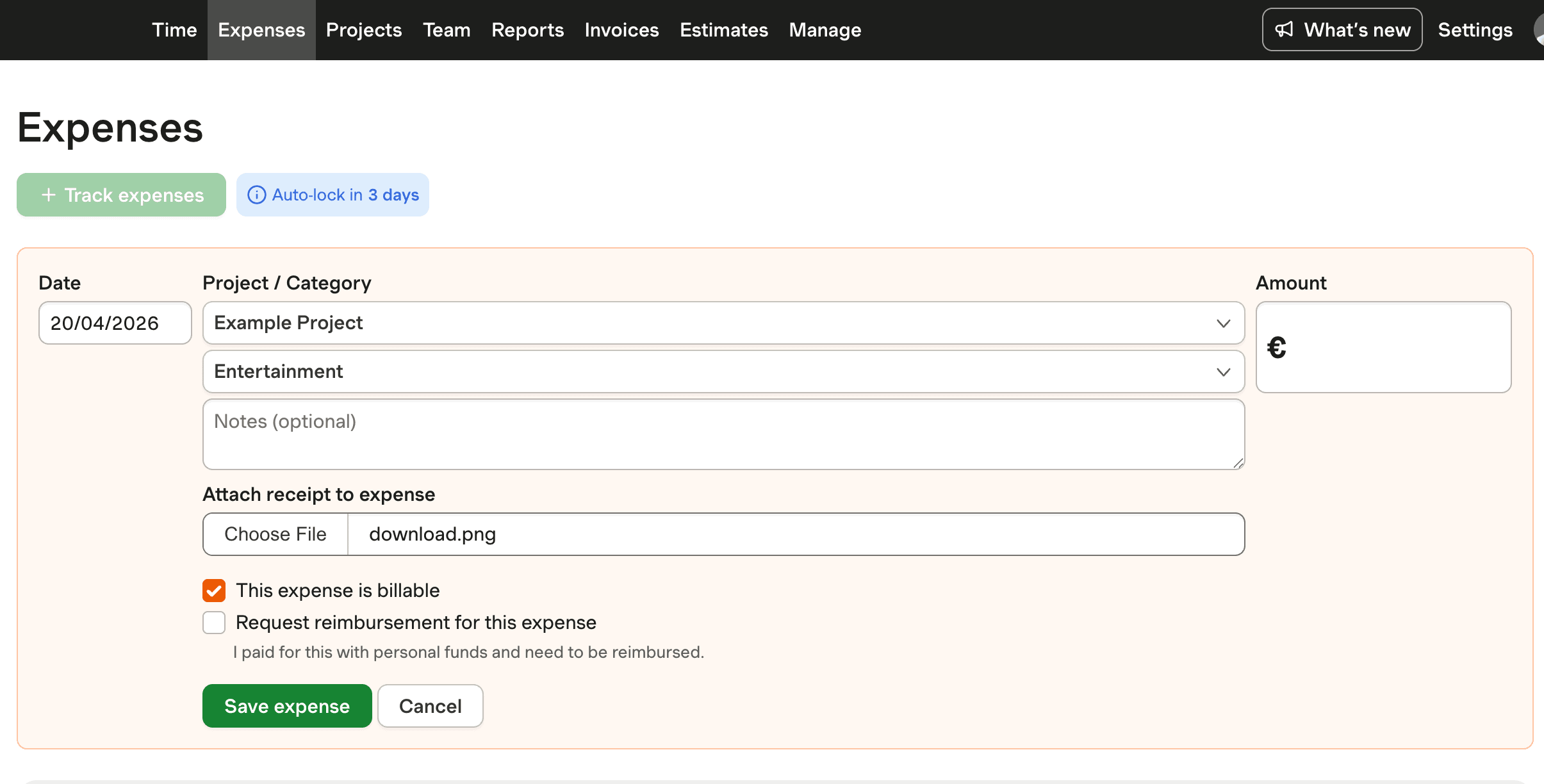
Harvest offers a powerful project-based expense tracker, though currently available only in English. It's designed for straightforward expense management, ideal for businesses navigating financial processes.

  • Attach receipts to projects & tasks
  • Turn tracked expenses into client invoices
  • Free 30-day trial, no credit card needed

or drag & drop • Images and PDFs, max 10 MB

Understanding 'Expense Report' in Swahili

The term "expense report" can be translated into Swahili as "ripoti ya gharama" or "ripoti ya matumizi." Here, "ripoti" means report, while "gharama" and "matumizi" refer to expense or expenditure. Knowing these translations can be useful for businesses and individuals operating in Swahili-speaking regions, ensuring clarity in financial documentation and communication.

For example, a Kenyan retail business might use the term "ripoti ya gharama" to document and track operational expenses, thereby maintaining accurate financial records. This translation aids in aligning their financial processes with local linguistic practices, which is crucial for compliance and effective communication within Swahili-speaking communities.
The Importance of Expense Management in Africa

Effective expense management is crucial for African businesses, particularly due to prevalent cash flow challenges. A recent survey indicated that 42% of small businesses in Africa face cash flow issues, highlighting the necessity for robust financial oversight. Automating expense management can alleviate these challenges by providing precise tracking and reducing the risk of errors.

Manual processing of expense reports is not only time-consuming but also costly. Reports show that manually completing an expense report can take up to 38 minutes, and the cost of tracking a single report averages $58. By automating these processes, businesses can reduce costs by up to 78% and save valuable time, which can then be redirected towards strategic growth initiatives.

Digital Adoption and Its Benefits

The adoption of digital tools is transforming expense management across Africa. More than 53.6% of African businesses have adopted digital payment systems, reflecting a broader trend towards technology-driven financial operations. This shift is integral to enhancing efficiency and reducing the manual workload associated with expense tracking.

For instance, a Kenyan SME that transitioned to a digital expense management system saved an average of 20 hours per month on data entry and reporting. This significant time saving enabled the business to focus more on revenue-generating activities, improving overall productivity and profitability. Digital solutions like Harvest, while currently available only in English, offer a streamlined approach to expense management that can be adapted to meet the needs of businesses across various regions.

Challenges and Solutions in Expense Management

Despite the benefits, African businesses encounter barriers in adopting digital tools. High implementation costs, unreliable internet access, and cybersecurity concerns are significant challenges. According to industry insights, 46.15% of businesses cite cost as a primary barrier, while 31.16% face internet reliability issues.

To overcome these challenges, businesses should consider scalable solutions that offer robust security and offline capabilities. While Harvest does not yet offer Swahili language support, it provides a reliable platform for managing expenses efficiently. Its project-based approach helps businesses maintain accurate records and streamline their financial processes, which is crucial for overcoming these regional hurdles.

Expense Report Translation with Harvest

Explore how Harvest facilitates managing expense reports, though currently available in English, offering streamlined tracking solutions.

Harvest expense report interface in Swahili context

Expense Report in Swahili FAQs

  • The Swahili translation for "expense report" is "ripoti ya gharama" or "ripoti ya matumizi." These translations are essential for businesses operating in Swahili-speaking regions, ensuring clear financial communication.

  • Automating expense reports can save time and reduce costs. A manual report takes 38 minutes and costs $58 on average, while automation can cut costs by up to 78% and save 20 hours monthly for SMEs.

  • African businesses often face high implementation costs, unreliable internet access, and cybersecurity concerns. Despite these, over 53.6% have adopted digital payment systems, indicating a shift towards digital solutions.

  • Digital adoption enhances efficiency and accuracy in expense management. It reduces manual workload, saves time, and allows businesses to focus on strategic growth, as shown by Kenyan SMEs saving 20 hours monthly.

  • High costs and unreliable internet are significant barriers. However, with nearly 100% of business leaders emphasizing digitalization's importance, overcoming these barriers is crucial for future success.

  • Harvest offers a project-based approach to expense management, helping businesses maintain accurate financial records. It is currently available only in English, with localization efforts underway.

  • While Harvest currently supports only English, it can be adapted for use in Swahili-speaking regions by providing clear financial tracking and reporting capabilities, crucial for effective expense management.