
Harvest
Expenses
Sign up

Expense Tracker for Carpentry Contractors

Harvest empowers carpentry contractors to manage project costs effectively, providing project-specific expense tracking and detailed profitability reports.

EXPENSE REPORT DRAFT

Drop your receipts here or click to upload

Images and PDFs (max 10 MB each)

Date
Category
Merchant
Description
Amount
Total
$0.00

Customise report

Appearance

Show report title

Report settings

Importance of Expense Tracking for Carpentry Contractors

Effective expense tracking is crucial for carpentry contractors operating with narrow profit margins, typically averaging just 6% per project. Without robust tracking, these profits can quickly be eroded by unforeseen costs and inefficiencies. Industry research highlights that poor expense management directly impacts financial health, leading to increased risks and strained cash flows. In fact, 42% of contractors cite inadequate cost tracking as a primary reason for payment delays in cost-plus contracts.

Carpentry projects often require on-the-go purchases for materials and tools, resulting in lost or damaged receipts that complicate record-keeping. This disconnect can lead to delayed cost visibility, making it challenging to take corrective actions in time. To combat these issues, implementing a centralized expense tracking tool like Harvest can provide real-time insights into spending, helping contractors avoid costly overruns and maintain profitability.
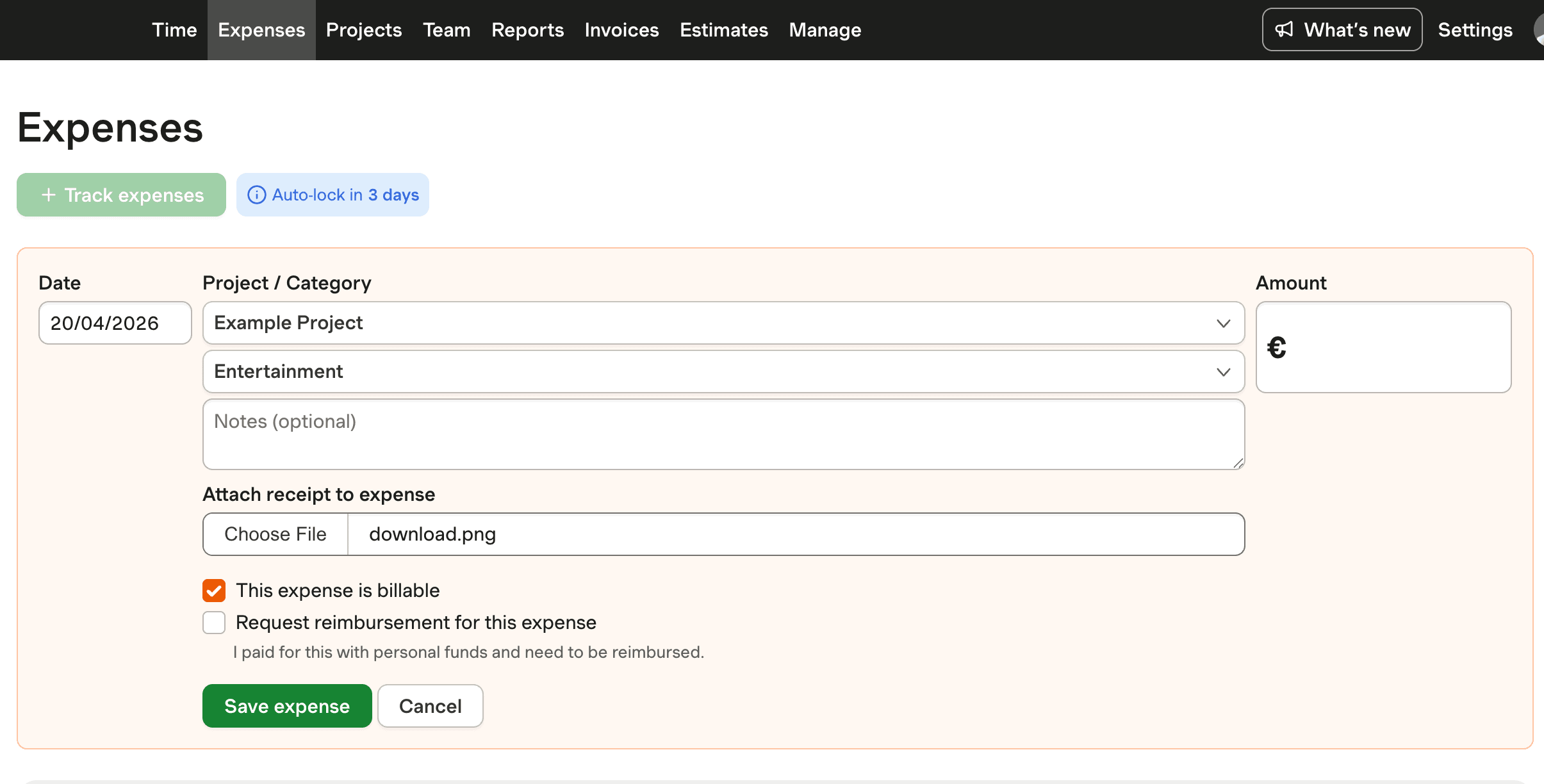
Harvest's Tailored Solutions for Carpentry Contractors

Harvest offers specialized features that cater to the unique needs of carpentry contractors, making it an ideal choice for managing expenses effectively. One of its key offerings is project-specific expense allocation, allowing contractors to assign costs directly to individual carpentry jobs. This ensures accurate tracking and reporting, providing a clear picture of each project's financial performance.

In addition to expense allocation, Harvest enables contractors to track both material and labor costs by categorizing them as expenses or invoice line items. This level of detail is crucial for assessing the profitability of each project and making informed decisions. By utilizing Harvest's tools, carpentry contractors can streamline their financial processes, reducing the risk of errors and improving overall project management.

Enhancing Financial Management with Harvest

Harvest supports carpentry contractors by offering detailed reporting on project profitability, tailored specifically to carpentry projects. These reports provide insights into financial performance, helping contractors identify trends and make data-driven decisions. With Harvest, contractors can easily monitor budget usage and profitability, ensuring they stay on track and maximize earnings.

Moreover, integrating Harvest with existing accounting software like QuickBooks or Xero simplifies invoice management, eliminating redundant data entry and enhancing financial control. This integration allows for seamless tracking of expenses against budgets, providing contractors with a comprehensive view of their financial health. By leveraging Harvest's capabilities, carpentry contractors can achieve greater transparency and efficiency in their financial management processes.

Overcoming Challenges in Expense Tracking

Carpentry contractors face numerous challenges in expense tracking, from managing on-the-go purchases to ensuring accurate documentation. A prevalent issue is the loss of receipts, which complicates record-keeping and can lead to unaccounted expenses. Harvest helps mitigate this by providing a platform for manual entry of receipts, ensuring all expenses are recorded accurately.

Another challenge is the disconnection between field personnel and finance teams, often resulting in untracked or miscategorized expenses. Harvest's centralized system bridges this gap, allowing for real-time tracking and categorization of expenses. This feature not only improves financial accuracy but also enhances communication between teams, fostering a culture of accountability and transparency.

Best Practices for Using Harvest Effectively

To maximize the benefits of Harvest, carpentry contractors should implement best practices for expense tracking. Begin by developing a detailed budget, categorizing expenses into hard and soft costs. This framework helps in identifying potential areas of overspending and ensuring funds are allocated appropriately.

Encouraging field teams to record receipts immediately after purchases is another essential practice. While Harvest does not offer mobile receipt capture, receipts can be manually entered into the system, minimizing the risk of loss. Regularly reviewing and reconciling expenses against the budget also helps catch errors promptly and maintain financial accuracy. By following these best practices, carpentry contractors can optimize their use of Harvest, achieving better financial control and project outcomes.

Harvest for Carpentry Expenses

Explore how Harvest tracks carpentry expenses, providing insights into project costs and profitability.

Screenshot of Harvest expense tracking tailored for carpentry contractors.

Expense Tracker for Carpentry Contractors FAQs

  • When choosing an expense tracker for carpentry, look for features like project-specific expense allocation, real-time tracking, and integration with accounting software. These ensure accurate financial management and ease of use for contractors.

  • To track material and labor costs effectively, use a tool like Harvest that allows for categorizing expenses as invoice line items. This enables detailed tracking and reporting, providing insights into project profitability.

  • Yes, some expense tracking apps, like Harvest, offer features tailored to carpentry contractors, such as project-specific expense tracking and detailed profitability reports. These tools help streamline financial management for carpentry projects.

  • Yes, Harvest integrates with popular accounting software such as QuickBooks and Xero, allowing for seamless invoice management and eliminating redundant data entry. This integration enhances financial control for carpentry contractors.

  • For small carpentry businesses, solutions like Harvest provide comprehensive expense tracking with features like project-specific allocation and detailed reporting. These tools help manage costs effectively and improve profitability.

  • Harvest provides detailed profitability reports that allow carpentry contractors to assess financial performance for each project. This helps in identifying trends and making informed decisions to maximize profitability.

  • Common mistakes include commingling personal and business finances and inadequate job cost tracking. Using a dedicated expense tracker like Harvest can help avoid these issues by providing accurate documentation and categorization of expenses.

  • Real-time tracking is crucial as it allows contractors to identify budget deviations quickly and make necessary adjustments. Tools like Harvest offer real-time insights, helping maintain financial control and prevent cost overruns.