
Harvest
Expenses
Sign up

Mileage Report Log

Harvest offers a simple solution for manually tracking mileage expenses, crucial for securing up to $5,500 in annual tax deductions.

  • Attach receipts to projects & tasks
  • Turn tracked expenses into client invoices
  • Free 30-day trial, no credit card needed

or drag & drop • Images and PDFs, max 10 MB

The Importance of Accurate Mileage Reporting

Accurate mileage reporting is crucial for maximizing tax deductions and ensuring compliance with IRS requirements. For self-employed individuals, keeping a precise mileage log can result in an average annual tax deduction of up to $5,500. This significant benefit underscores the importance of maintaining detailed and contemporaneous records for every business trip.

However, manual mileage logging can be cumbersome and prone to errors, with 80% of timesheets often containing inaccuracies. This is where digital solutions like Harvest come into play, offering a reliable way to track mileage expenses as part of its project-based expense management. Harvest enables users to manually enter mileage data, ensuring accuracy and facilitating easier tax filings.
Creating an Effective Mileage Report Log

Creating an effective mileage report log involves adhering to IRS standards for documentation. Essential details include the trip date, starting and ending locations, total miles driven, and the specific business purpose of each journey. While Harvest does not automate this process, it allows users to manually input these critical details, maintaining compliance and organization.

For those seeking to enhance their mileage reporting efficiency, Harvest integrates mileage tracking into its broader expense management platform. This integration simplifies the process, allowing users to keep all project-related expenses, including mileage, within a single system. Although Harvest requires manual entry, it supports comprehensive documentation, aiding in accurate tax deduction calculations.

Complying with IRS Mileage Log Requirements

To ensure compliance with IRS mileage log requirements, maintaining detailed and contemporaneous records is paramount. The IRS mandates that logs include the date, miles traveled, and the purpose of each trip. Neglecting these details can lead to disallowed deductions and potential audits.

While automated options exist, Harvest offers a practical alternative by enabling manual mileage tracking within its project-based framework. This feature allows users to document mileage expenses accurately, ensuring that their logs meet the necessary criteria for tax purposes. Although Harvest does not automate tracking, it provides a straightforward method for keeping detailed records, essential for IRS compliance.

Maximizing Mileage Deductions with Harvest

Maximizing mileage deductions requires diligent record-keeping and a clear understanding of tax regulations. The IRS's standard business mileage rate for 2026 is 72.5 cents per mile, and precise logging can lead to substantial savings. Harvest offers a simple yet effective way to manage these records, aiding users in maximizing their deductions.

By using Harvest to log mileage manually, users can ensure that each trip is accounted for, complete with necessary details like trip purpose and distance. This approach not only supports accurate tax filings but also helps in identifying potential savings opportunities by tracking all deductible miles effectively.

Track Mileage with Harvest

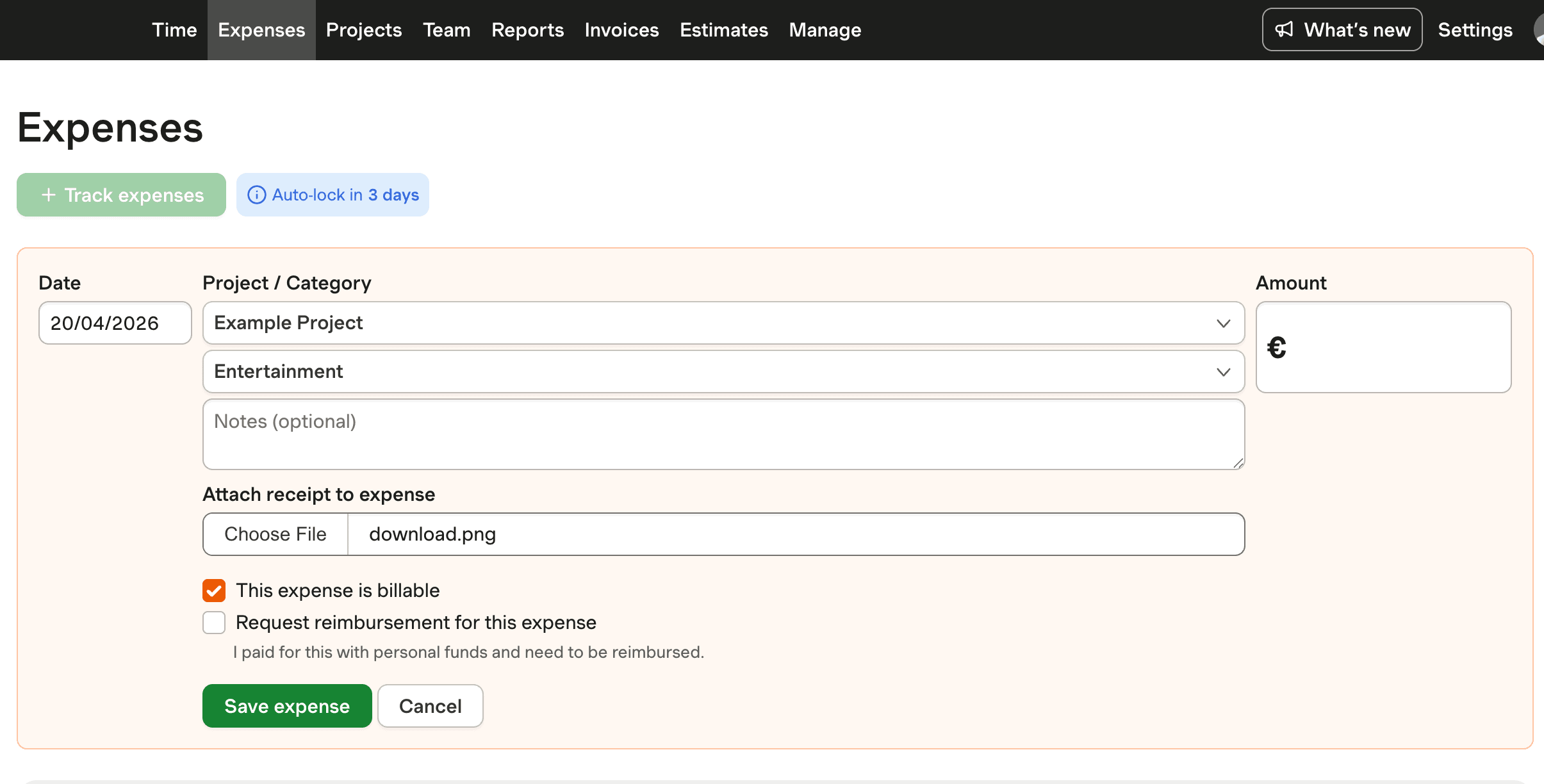
Harvest helps you track mileage expenses manually, crucial for maximizing tax deductions and ensuring IRS compliance.

Harvest interface showing mileage report log functionality.

Mileage Report Log FAQs

  • A mileage report log must include the date of travel, starting and ending locations, total miles driven, and the specific business purpose of each trip. This ensures compliance with IRS standards.

  • Accurate mileage tracking is essential for maximizing tax deductions. By logging every business trip with detailed information, you can claim up to $5,500 in deductions annually. Harvest aids this process with its manual tracking features.

  • The IRS requires mileage logs to be detailed and contemporaneous, including trip dates, starting and ending locations, total miles, and business purposes. These records are crucial for claiming deductions.

  • Harvest allows users to manually enter mileage data, supporting accurate and compliant record-keeping for tax purposes. This feature is integrated into its project-based expense management system.

  • Digital mileage tracking offers increased accuracy and efficiency compared to manual methods. Automated systems can save businesses significant time — over 4,000 hours annually for 100 employees — enhancing productivity.

  • Gig workers should track all business-related travel, not just trips logged by delivery apps. Maintaining a detailed mileage log, such as through manual entry in Harvest, ensures all deductible miles are captured.

  • Contemporaneous record-keeping ensures accuracy and compliance. Logs created at or near the time of travel are less prone to errors and are more likely to withstand IRS scrutiny during audits.