
Harvest
Expenses
Sign up

Forecast Project Expenses

Many projects suffer from budget overruns, with an average rate of 27%. Harvest helps track and manage project expenses, ensuring financial stability and improved budgeting.

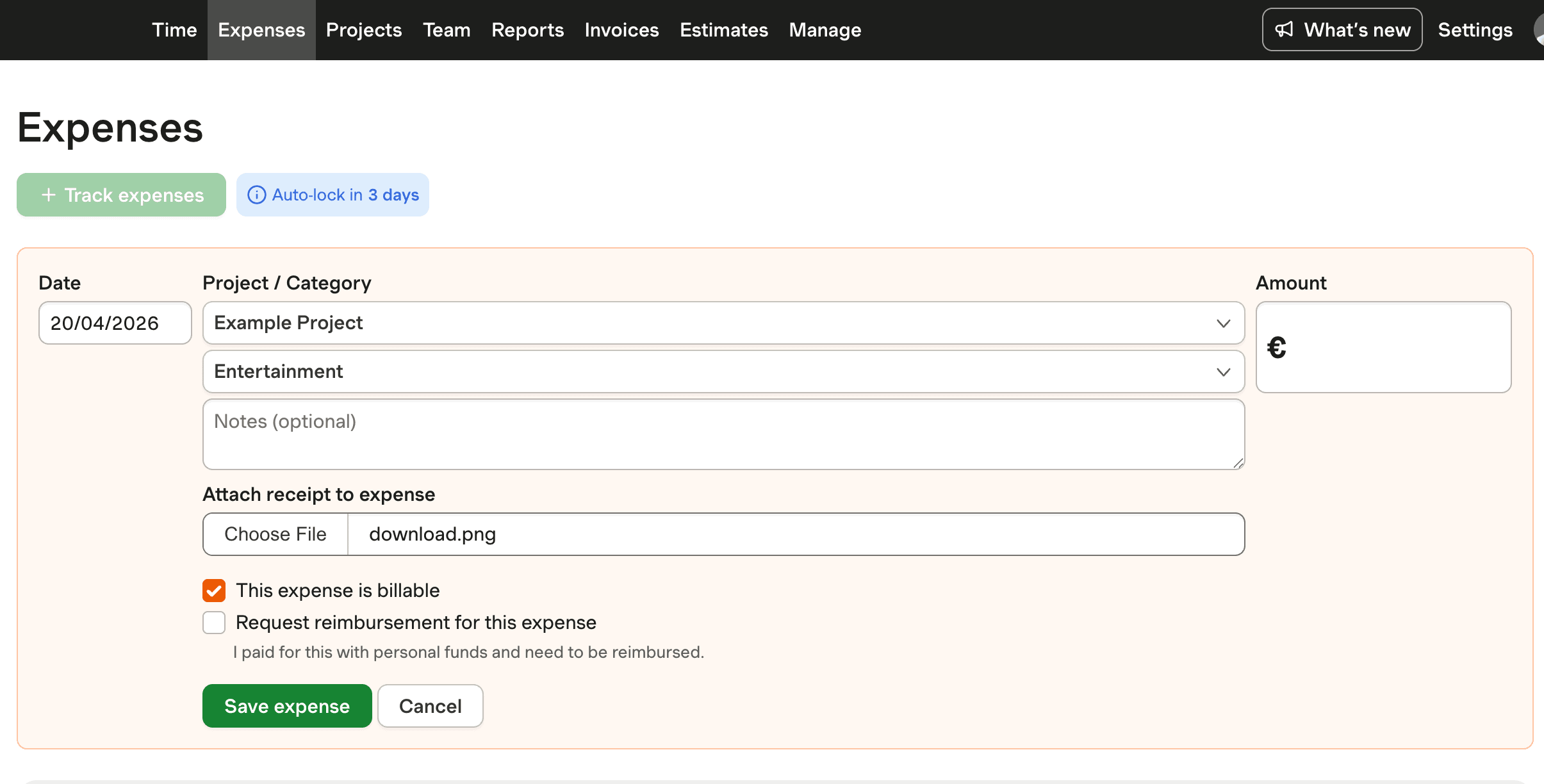
  • Attach receipts to projects & tasks
  • Turn tracked expenses into client invoices
  • Free 30-day trial, no credit card needed

or drag & drop • Images and PDFs, max 10 MB

Understanding the Importance of Expense Forecasting

Accurate expense forecasting is crucial for project success, as it allows organizations to estimate future expenditures, leading to better budgeting and resource allocation. According to PMI's Pulse of the Profession, 43% of projects exceed their original budget, with an average overrun of 27%. This highlights the importance of effective forecasting techniques to mitigate potential financial shortfalls.

Project managers across industries face unique challenges, such as construction projects which encounter cost overruns 85% of the time. By implementing dynamic cost forecasting and regular updates, managers can better align anticipated costs with actual project expenses. Harvest aids in this process by providing intuitive expense tracking, enabling users to monitor costs against budgets effectively.
Leveraging Historical Data for Better Forecasting

Utilizing historical data is a proven method for improving expense forecasts. Studies show that 68% of project managers believe AI and machine learning can enhance project planning by unveiling patterns that may be missed by human analysis. Methods like regression analysis allow teams to understand past spending trends and apply these insights to future projects.

While Harvest does not offer AI-driven forecasting models, it excels in tracking past expenses, which can inform future budgeting decisions. Users can generate detailed reports on previous projects to identify trends and avoid repeating past mistakes, thus supporting more informed decision-making.

Common Pitfalls in Project Expense Forecasting

Project managers often encounter pitfalls such as scope creep, which affects 47% of IT projects, leading to budget overruns. Other common errors include unclear project scopes and ignoring potential risks. These issues can derail budgets, resulting in unexpected financial burdens.

To mitigate these risks, it's essential to have a clear project scope and integrate risk assessments into forecasts. Industry best practices suggest a contingency budget of 10-20% to manage unforeseen expenses. While Harvest focuses on tracking current expenditures, it provides the tools necessary to maintain financial discipline within project budgets.

The Role of Continuous Monitoring and Reporting

Continuous monitoring and reporting are vital for maintaining project budget accuracy. Regular updates and variance analysis help identify deviations between planned and actual expenses, allowing for timely corrective actions. Earned Value Management (EVM) is recommended for its ability to integrate scope, schedule, and cost in project assessments.

Though Harvest does not support EVM, it offers robust reporting capabilities that help users track expenses in real-time. By keeping a close eye on financial metrics, project managers can ensure that projects remain within budget, thus enhancing overall project success.

Forecast Project Expenses with Harvest

Explore how Harvest tracks and manages project expenses, helping you avoid budget overruns and improve financial planning.

Harvest interface showing project expense tracking tools.

Forecast Project Expenses FAQs

  • Project expenses can be forecasted using methods like analogous estimating, parametric estimating, and three-point estimating. These techniques allow for varying degrees of precision and are chosen based on project specifics and available data.

  • Historical data provides insights into past spending patterns and resource utilization, which can inform more accurate forecasts. By analyzing this data, organizations can identify trends and apply them to future projects, reducing the risk of budget overruns.

  • Common pitfalls include scope creep, unclear project scopes, and ignoring potential risks. These issues can lead to budget overruns and financial instability. Effective forecasting requires clear objectives and risk assessments to mitigate these challenges.

  • Managing cost overruns involves regular project monitoring, variance analysis, and swift corrective actions. Establishing a contingency budget and maintaining clear communication with stakeholders are critical for managing unexpected expenses.

  • Yes, Harvest offers comprehensive tracking tools that allow users to monitor project expenses in real-time, ensuring alignment with budgets. This helps in maintaining financial discipline and preventing overruns.

  • Harvest can integrate with various financial systems, offering seamless data exchange to enhance project financial management. This integration supports comprehensive reporting and accurate expense tracking.

  • Harvest supports financial accountability by providing detailed expense reports and tracking features that ensure transparency and compliance with budgetary constraints. This helps in maintaining accurate financial records for audits and reporting.