
Harvest
Expenses
Sign up

Saas Expenses

Harvest offers a powerful solution for managing project-based expenses, addressing the challenge of optimizing SaaS spending effectively.

EXPENSE REPORT DRAFT

Drop your receipts here or click to upload

Images and PDFs (max 10 MB each)

Date
Category
Merchant
Description
Amount
Total
$0.00

Customise report

Appearance

Show report title

Report settings

Understanding SaaS Expenses and Their Impact

Managing SaaS expenses is critical as worldwide spending on SaaS is projected to reach $300 billion by 2025. Organizations utilize an average of 106 SaaS applications, with large enterprises managing between 125 and 200 apps. This extensive use can lead to inefficiencies, such as 30-40% of SaaS spending being on unused licenses, potentially wasting up to $21 million per company annually. These figures highlight how crucial it is to optimize SaaS spending to prevent unnecessary financial drain.

Harvest helps businesses manage project-based expenses efficiently. While it does not manage software licenses directly, Harvest provides a platform for tracking project costs and invoicing, which can indirectly aid in identifying and optimizing SaaS-related expenses by evaluating the cost-effectiveness of project expenditures.
Strategies for Optimizing SaaS Spending

Effective management of SaaS expenses is essential, especially as 42% of organizations have cut back on spending due to budget pressures. Common strategies include regular reviews of SaaS contracts and proactive negotiation for better pricing, which have helped companies achieve up to 35% cost reductions. For instance, a Fortune 500 manufacturing firm managed to cut its costs by 35% through systematic optimization.

Harvest, while focused on expense tracking, supports these optimization efforts by providing detailed insights into project costs. This can be crucial for businesses aiming to streamline their SaaS expenditures, as understanding project-based expenses allows for more informed financial decisions and potential cost savings.

The Role of Harvest in SaaS Expense Management

Harvest excels in tracking project-related expenses, offering businesses a tool to manage their financial efficiency effectively. With annual SaaS spending per employee reaching up to $9,600, keeping track of project-specific costs is vital. Harvest provides detailed invoicing and expense management features, enabling organizations to monitor and control their project expenses closely.

By leveraging Harvest's capabilities, businesses can ensure that their project-based expenses are kept in check, contributing to overall SaaS spending optimization. Although Harvest does not track SaaS subscriptions directly, its robust expense tracking features are instrumental in maintaining financial discipline across projects.

Optimize SaaS Expenses with Harvest

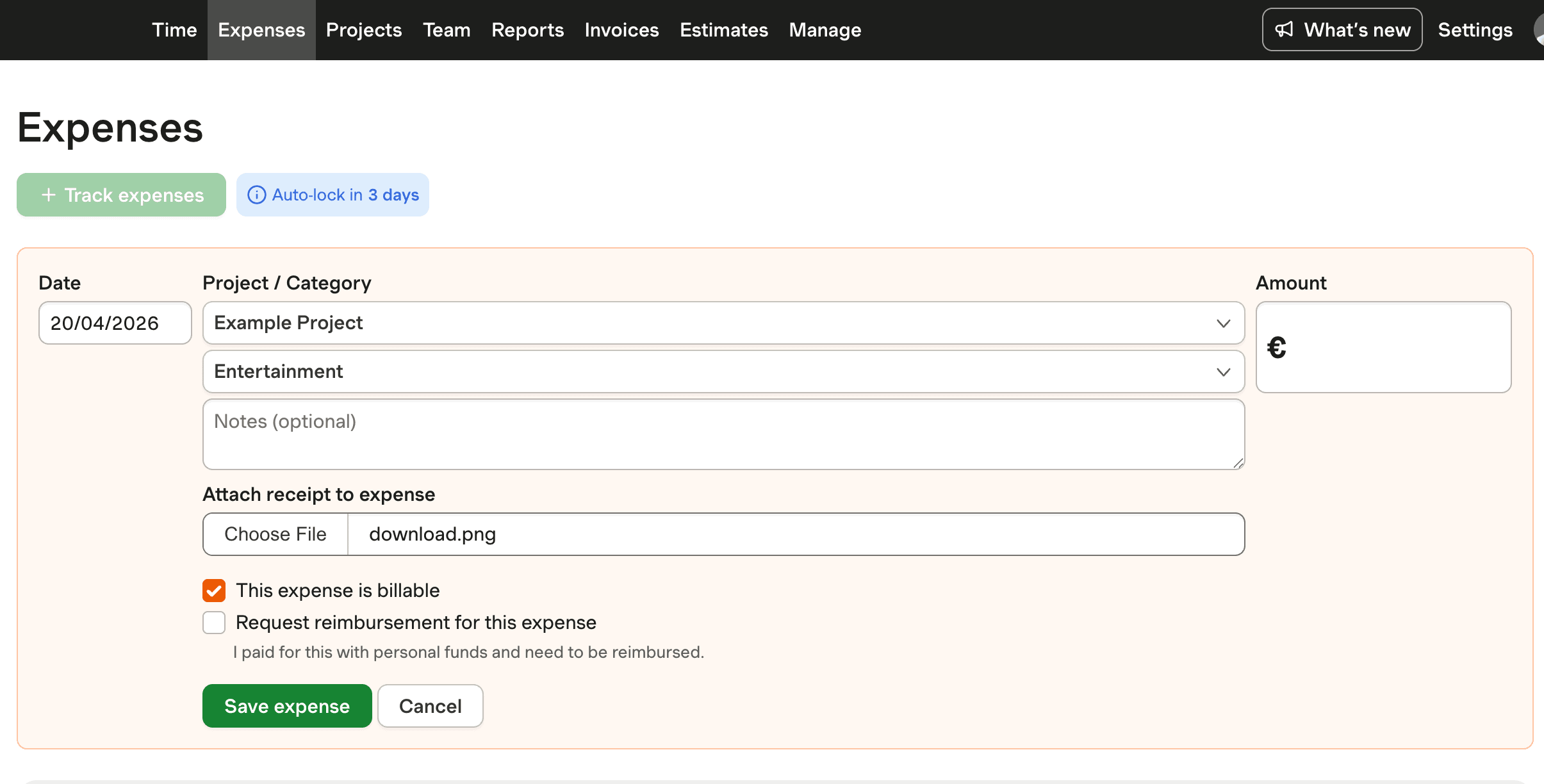
See how Harvest tracks project-based expenses, aiding in financial efficiency and SaaS spending optimization.

Harvest interface showing SaaS expense tracking features.

Saas Expenses FAQs

  • Common SaaS expenses include subscription fees, costs associated with unused licenses, and expenses from unauthorized software purchases, also known as shadow IT. On average, organizations manage over 100 SaaS applications, leading to potential inefficiencies if not properly tracked.

  • Tracking SaaS expenses requires regular reviews of software usage, evaluating license utilization, and monitoring subscription renewals. Harvest assists by providing detailed project expense tracking, which can help identify areas of unnecessary spending.

  • To reduce SaaS costs, businesses can perform regular audits of their software usage, negotiate better contract terms, and eliminate unused or duplicate applications. Companies have realized up to 35% savings through such optimization strategies.

  • Harvest aids in managing project expenses by offering detailed time tracking and invoicing features. This allows businesses to gain clear insights into their project costs, aiding in financial management and optimization of related SaaS expenses.

  • Shadow IT refers to unauthorized software purchases by departments, leading to increased SaaS costs. It can result in duplicate applications and underutilized licenses, contributing to financial inefficiencies. While Harvest doesn’t directly manage shadow IT, its expense tracking can highlight anomalies in project costs.

  • SaaS compliance involves adhering to data protection laws like GDPR or HIPAA, depending on the region. While Harvest doesn't manage legal compliance, ensuring accurate expense tracking can support compliance efforts by maintaining financial transparency.

  • SaaS expenses can significantly impact small businesses due to recurring costs. However, SaaS solutions provide scalability and eliminate upfront investments in infrastructure, making them accessible for small businesses to grow efficiently.

  • Harvest optimizes SaaS spending by offering precise project expense tracking and invoicing. This helps businesses understand their financial commitments and identify areas for cost savings within their SaaS investments.