
Harvest
Expenses
Sign up

Analyze Business Expenses

Unlock the potential of your business finances with Harvest. By tracking and categorizing expenses, Harvest helps businesses maintain financial health and efficiency.

EXPENSE REPORT DRAFT

Drop your receipts here or click to upload

Images and PDFs (max 10 MB each)

Date
Category
Merchant
Description
Amount
Total
$0.00

Customise report

Appearance

Show report title

Report settings

Understanding the Components of Expense Analysis

Analyzing business expenses is essential for maintaining financial health and operational efficiency. Key components of expense analysis include categorizing expenses, identifying patterns, and ensuring compliance with financial regulations. Many organizations are shifting from manual to automated expense management solutions due to the need for real-time visibility and accuracy. This transition has led to a 30% reduction in processing costs and a 65% decrease in errors (shift to automation). By systematically reviewing costs, businesses can pinpoint inefficiencies and uncover opportunities for cost reduction.

Effective expense analysis involves a structured approach. Start by centralizing data from all sources, including corporate cards and invoices. Next, categorize expenses meticulously into fixed, variable, operational, and irregular categories. Identifying trends and performing variance analysis (comparing actual to budgeted spending) is crucial to understand spending behaviors. Harvest facilitates this by allowing categorization of expenses and variance analysis within project budgets, providing a clear picture of financial standing.
The Importance of Categorizing Business Expenses

Categorizing business expenses correctly can significantly improve financial oversight and control. Improper categorization, such as lumping costs into "Other" or "Miscellaneous" categories, which have seen transaction costs rise by 57% and 47% respectively, can obscure financial insights. Creating specific categories helps in identifying and addressing these issues promptly.

Harvest offers a solution by enabling the creation of custom expense categories. This feature allows businesses to categorize expenses into operational, fixed, and variable categories, enhancing the clarity of financial data. Such detailed categorization is crucial for accurate variance analysis, allowing businesses to compare actual spending against budgeted amounts, thus identifying discrepancies and potential savings.

Leveraging Tools for Effective Expense Management

Using the right tools for expense management can lead to substantial cost savings and enhanced efficiency. Companies that automate their expense processes have reported a 50% reduction in approval times and an average saving of $75 per expense report. Despite these benefits, 34% of businesses still struggle with spending visibility, leading to missed savings and budget tracking issues.

Harvest addresses these challenges by providing detailed expense tracking and reporting. While it does not offer real-time analysis or forecasting capabilities, Harvest excels in tracking expenses against projects and budgets. By integrating with existing accounting systems, Harvest ensures seamless data transfer and provides comprehensive reports that aid in strategic financial planning.

Identifying Spending Trends and Opportunities

Identifying spending trends is vital for proactive financial management. However, many businesses lack this insight, with 71% of finance leaders reporting compliance and fraud prevention challenges due to manual tracking. Automated systems can mitigate these issues by providing detailed reports and enhanced data accuracy.

Although Harvest does not offer trend analysis, its expense reporting features enable businesses to track and categorize expenses accurately. This data can be used to perform variance analysis, helping businesses align their spending with budgets and uncover inefficiencies. By focusing on detailed tracking and categorization, Harvest supports businesses in maintaining financial integrity and making informed decisions.

Benefits of Regular Expense Analysis

Regular expense analysis offers numerous benefits, including improved financial control, enhanced budgeting accuracy, and the ability to identify cost-saving opportunities. Businesses that conduct regular reviews are more likely to achieve targeted savings, with only 11% managing to sustain cost cuts over three years without proper analysis.

Harvest supports regular expense analysis by providing tools for detailed expense tracking and reporting. This enables businesses to conduct variance analysis, ensuring that actual spending aligns with budgets. By simplifying the categorization process and integrating with financial systems, Harvest helps businesses maintain accurate records, comply with regulations, and optimize their financial strategies.

Analyze Expenses with Harvest

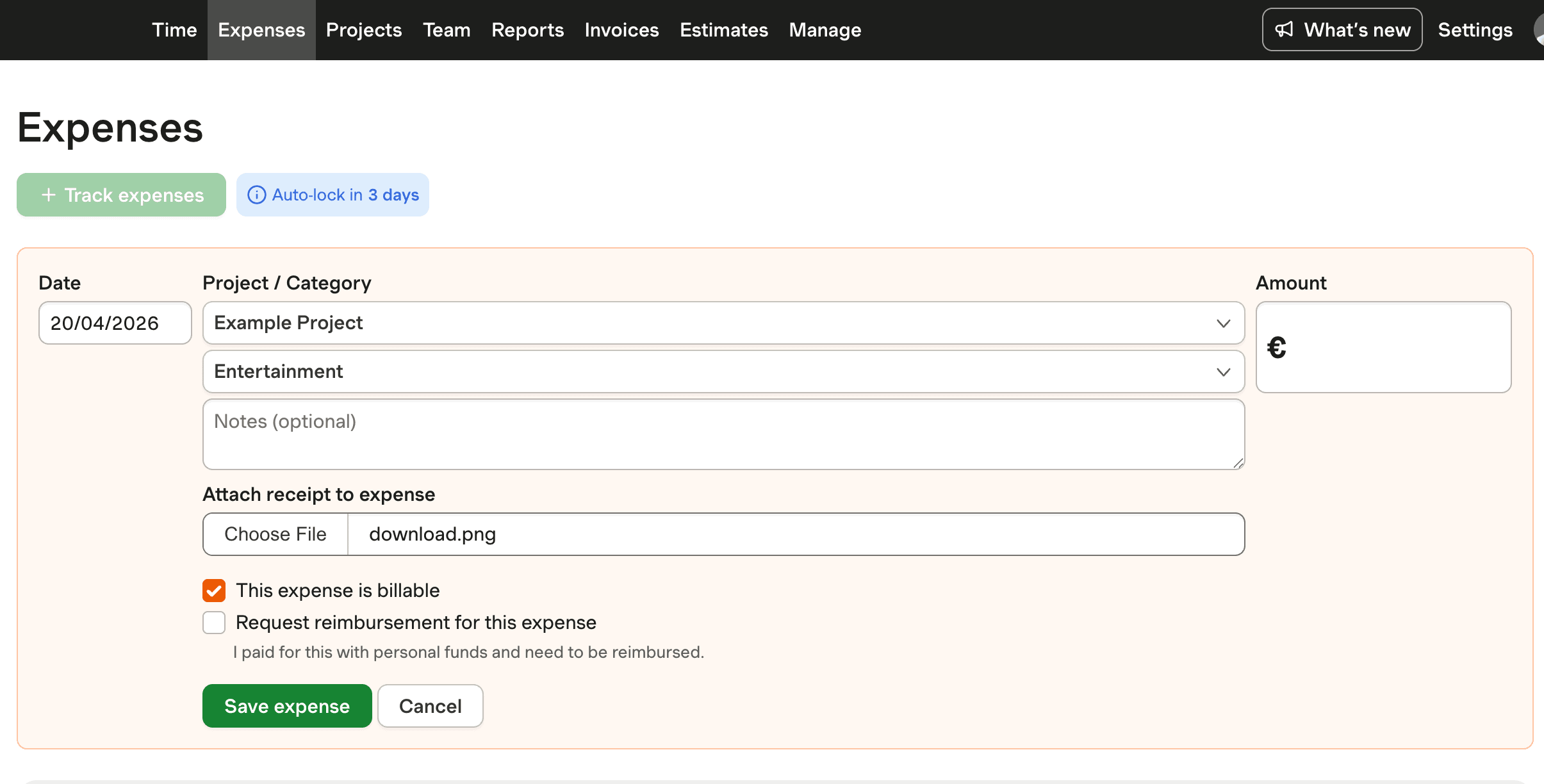
See how Harvest categorizes and tracks expenses, offering insights into spending patterns for improved financial control.

Harvest expense tracking interface for analyzing business expenses

Analyze Business Expenses FAQs

  • Effective categorization of business expenses involves dividing them into fixed, variable, and operational categories. Harvest allows you to create custom categories, making it easy to track expenses accurately.

  • The key components of expense analysis include data centralization, meticulous categorization, trend identification, and variance analysis. Harvest supports these through customizable expense tracking and reporting features.

  • Tools like Harvest help by providing detailed tracking, categorization, and reporting of expenses, which are crucial for effective analysis and financial management.

  • Regular expense analysis ensures accurate budgeting, identifies cost-saving opportunities, and maintains financial compliance. Harvest supports this by enabling detailed expense tracking and variance analysis.

  • Automation reduces errors, speeds up approval times, and saves costs. Companies using automated systems see significant improvements in expense processing efficiency, which Harvest supports through its robust features.

  • Variance analysis involves comparing actual spending against budgeted amounts. Harvest facilitates this by including expenses in project budgets, helping identify discrepancies and potential savings.