
Harvest
Expenses
Sign up

Gas Expense Tracker

Harvest simplifies gas expense tracking by allowing teams to manage expenses across multiple vehicles, helping reduce operational costs by up to 40%.

EXPENSE REPORT DRAFT

Drop your receipts here or click to upload

Images and PDFs (max 10 MB each)

Date
Category
Merchant
Description
Amount
Total
$0.00

Customise report

Appearance

Show report title

Report settings

The Importance of Tracking Gas Expenses

Tracking gas expenses is essential for businesses that rely heavily on vehicles, such as logistics and transportation companies. Fuel can account for up to 60% of a fleet's total operating budget, making it a significant cost factor. In 2024, Americans spent an average of $201 per month on gasoline, which was 3.1% of their total annual budget. Such expenses can fluctuate based on gas prices, as seen in 2022, when the average monthly spending was $234 during price spikes.

Accurate gas expense tracking not only helps in budgeting but also in identifying inefficiencies like excessive idling or poor route planning. Businesses that have implemented comprehensive fuel expense tracking systems have reported cost reductions of up to 40% by optimizing routes and reducing waste. Harvest makes it easy to manage these expenses by allowing users to categorize and track fuel expenses across multiple vehicles, ensuring that every dollar spent is accounted for effectively.
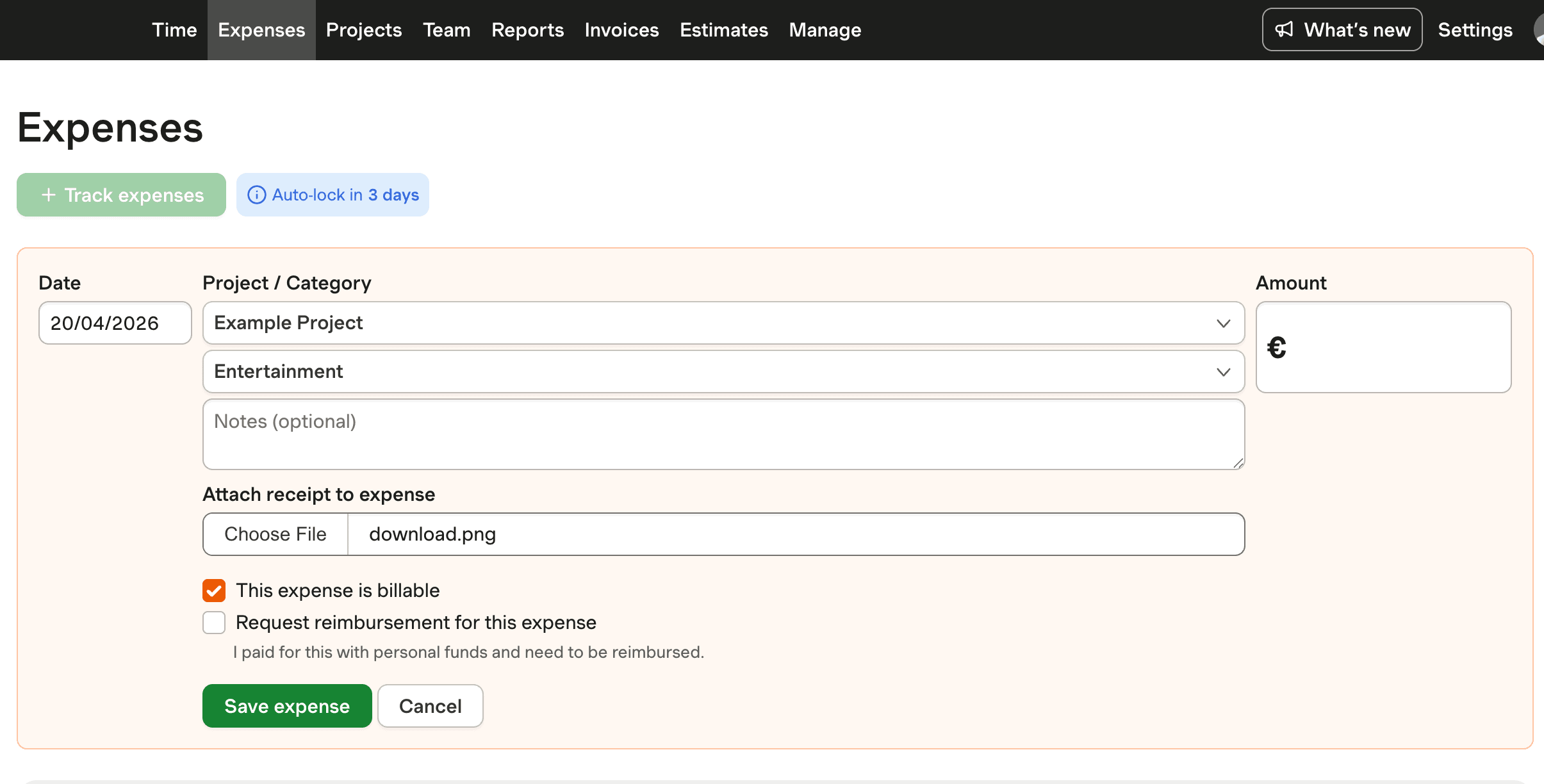
Harvest: Your Solution for Gas Expense Management

Harvest provides a robust solution for managing gas expenses, especially for teams and businesses with multiple vehicles. By creating specific expense categories, users can track fuel expenses accurately and efficiently. Harvest allows you to set budget limits based on historical data, helping you to plan effectively and avoid overspending. These features are crucial for businesses looking to maintain control over their operating budgets.

One of the standout features of Harvest is its ability to set 'Total project fees' budget types, which can be tailored to include fuel expenses. This feature enables businesses to monitor their spending closely and adjust their budgets as needed. With Harvest, you can rest assured that your gas expenses are tracked with precision, allowing for better financial planning and management.

Maximizing Benefits Through Integration and Automation

Integrating gas expense tracking with other business processes can enhance efficiency and accuracy. Harvest supports integration with QuickBooks Online and Xero for seamless invoice management, although expense entries do not automatically sync to these platforms. This integration is beneficial for aligning financial reporting with operational expenses.

Automation is another key aspect of modern gas expense tracking. Automated systems reduce the likelihood of errors common in manual entry and provide real-time data for decision-making. For instance, 62% of fleet managers use fuel cards for expense tracking, indicating a trend toward digital solutions. Harvest aligns with this trend by offering detailed expense reports, allowing businesses to analyze their spending patterns and make informed decisions.

Overcoming Common Challenges in Gas Expense Tracking

Despite advancements in technology, some businesses still rely on traditional methods for tracking gas expenses. In early 2025, 25% of fleet managers tracked fuel expenses using spreadsheets, and another 25% recorded expenses by hand. These methods are prone to errors and inefficiencies. Harvest offers a solution by providing a digital platform for recording and managing expenses, which is more accurate and less time-consuming.

Another common challenge is fuel fraud and theft, which can be mitigated through automated expense tracking systems. Harvest helps businesses address this issue by enabling detailed tracking and categorization of expenses, reducing the risk of fraudulent activities. By utilizing Harvest, businesses can focus on optimizing their operations and reducing unnecessary costs.

Legal and Compliance Considerations

Accurate gas expense tracking is crucial for legal compliance and tax purposes. In the US, businesses must maintain detailed records to claim tax deductions with the IRS. This includes a complete trip history and fuel expenses. The IRS annually sets standard mileage rates, but accurate tracking can also involve detailed records of actual expenses.

Harvest supports compliance by allowing users to track expenses accurately and generate detailed reports. While Harvest does not differentiate between personal and business mileage for tax purposes, it offers manual entry options for mileage tracking, ensuring that all relevant data is recorded for compliance and auditing purposes.

Track Gas Expenses with Harvest

See how Harvest helps manage gas expenses across vehicles, optimize budgets, and reduce costs efficiently.

Gas expense tracking dashboard in Harvest

Gas Expense Tracker FAQs

  • The best way to track gas expenses for a fleet is by using automated tracking systems that provide real-time data. These systems help reduce errors, prevent fraud, and optimize route planning. Harvest allows for precise tracking by creating specific expense categories for each vehicle, ensuring that all fuel-related costs are monitored effectively.

  • Setting a budget for gas expenses involves analyzing historical data to predict future spending. Harvest allows you to set budget limits for fuel expenses using its 'Total project fees' budget type. This helps in planning and avoiding overspending by keeping track of expenses in real-time.

  • Yes, Harvest can track fuel expenses for multiple vehicles. By creating specific expense categories for each vehicle, Harvest ensures accurate monitoring of fuel costs, which is crucial for managing a fleet effectively.

  • Real-time data in gas expense tracking is important as it allows businesses to quickly identify and address inefficiencies, such as excessive idling or unauthorized fuel purchases. Automated systems, like those supported by Harvest, provide this data to enhance decision-making and cost control.

  • Common challenges in gas expense tracking include manual entry errors, fraud, and inefficient route planning. Automated systems, such as Harvest, help overcome these by providing accurate tracking, fraud detection features, and integration with route optimization tools.

  • Harvest integrates with QuickBooks Online and Xero for invoice management, which helps streamline financial processes. However, direct syncing of expense entries is not supported, so manual entry may be required for full integration.

  • Harvest aids compliance by allowing users to keep accurate and detailed records of gas expenses, which are necessary for tax deductions and audits. While it doesn't differentiate between personal and business mileage, it supports comprehensive manual entry of all necessary data.