
Harvest
Expenses
Sign up

Google Docs Expense Sheet

Harvest offers customizable expense categories and project-based tracking, making it ideal for teams needing detailed expense management without the complexity of enterprise solutions.

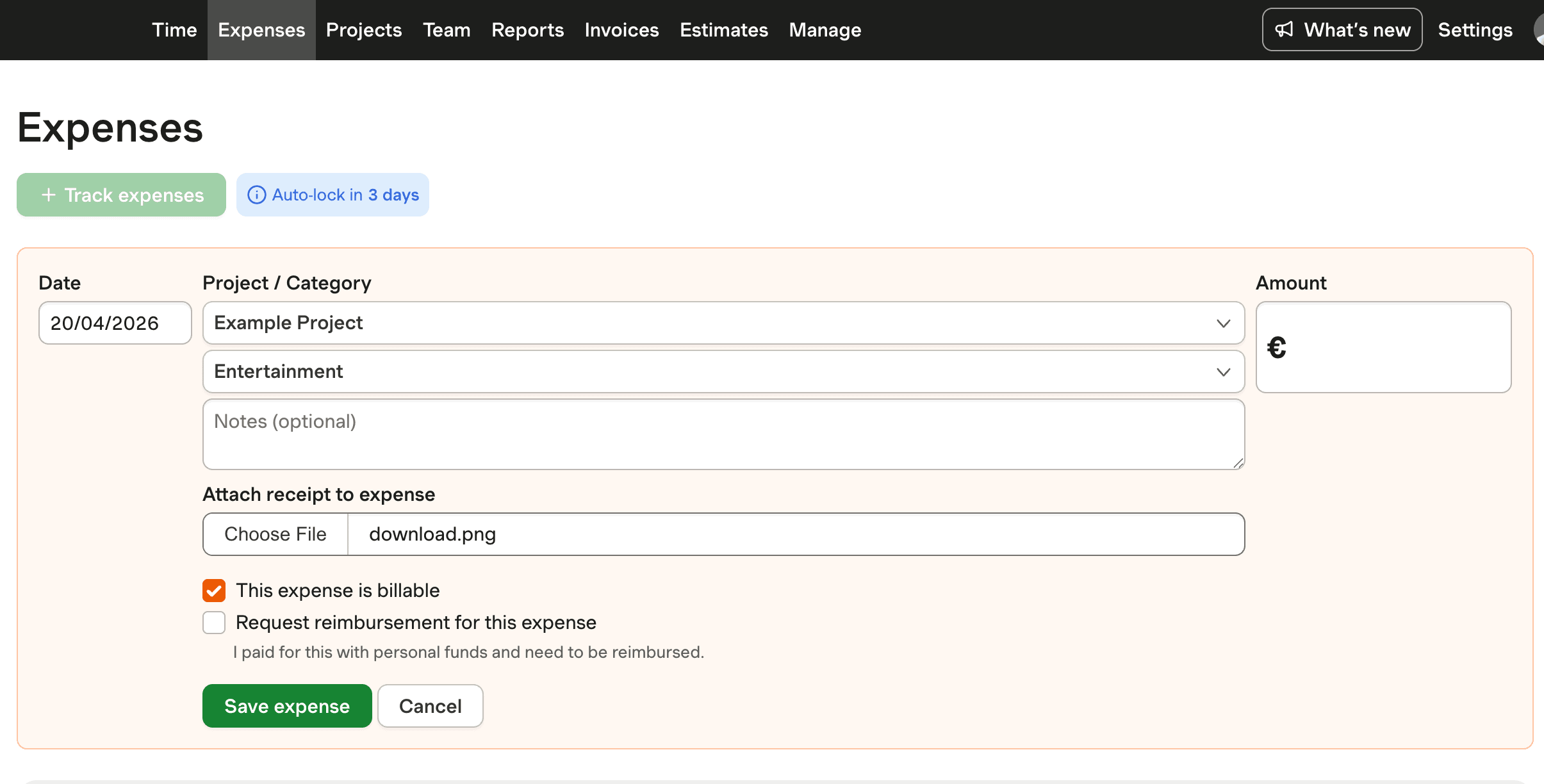
  • Attach receipts to projects & tasks
  • Turn tracked expenses into client invoices
  • Free 30-day trial, no credit card needed

or drag & drop • Images and PDFs, max 10 MB

The Challenges of Manual Expense Tracking

Traditional manual expense tracking is not only time-consuming but also prone to errors that can significantly impact a business's financial health. On average, employees spend about 20 minutes completing an expense report, with processing costs reaching up to $58 per report. Despite these inefficiencies, 70% of businesses still rely on manual processes for expense reporting. This approach is susceptible to errors, with up to 80% of manual tasks being automatable, which can drastically reduce processing time and error rates.

Moreover, manual tracking lacks the integration needed for real-time data analysis, leading to potential revenue losses of up to 5% annually due to expense fraud and policy violations. This makes adopting a digital solution like Harvest a strategic move for businesses looking to streamline their expense management processes.
Harnessing Digital Solutions with Harvest

Adopting a digital solution like Harvest can transform how businesses manage expenses. With customizable expense categories, Harvest allows businesses to tailor their expense tracking to their specific needs, whether it's transportation, lodging, or meals. These categories can be set with unit prices for automatic total calculations, ensuring accuracy and efficiency.

Moreover, Harvest supports weekly and daily expense reporting, which is particularly beneficial for short-term projects. This feature allows businesses to keep a close eye on project expenses, ensuring compliance and accurate budget tracking. Unlike manual processes, Harvest integrates seamlessly with other business systems, reducing the need for repetitive data entry and minimizing errors.

Customizable Expense Tracking for Business Needs

For businesses that require detailed tracking of expenses, Harvest offers customizable fields that can be tailored to include specific business needs such as project codes and client names. This level of customization ensures that expenses are accurately attributed to the correct projects or clients, which is essential for consulting firms and other service-based businesses.

Additionally, with Harvest's project-based expense tracking, businesses can ensure precise allocation of expenses and maintain meticulous records for tax compliance and VAT reclaims. This makes Harvest not only a tool for efficient expense management but also a solution that supports regulatory compliance.

Implementing Best Practices in Expense Management

Implementing best practices in expense management involves more than just adopting digital tools; it requires a comprehensive approach. Harvest supports businesses in establishing clear and well-communicated expense policies that prevent reporting errors and policy breaches.

By leveraging Harvest's automated features, businesses can reduce the time spent on manual data entry and focus on strategic tasks. Encouraging a mobile-first approach, Harvest allows employees to submit expenses via mobile apps, capturing receipts directly with smartphone cameras. This not only speeds up reimbursement processes but also ensures that expenses are documented promptly, reducing the risk of lost receipts and missed tax deductions.

Google Docs Expense Sheet with Harvest

Discover how Harvest integrates Google Docs expense templates with customizable categories and project-based tracking for seamless management.

Google Docs expense sheet template shown in Harvest interface.

Google Docs Expense Sheet FAQs

  • To create an expense sheet in Google Docs, start by setting up a spreadsheet with headers like Date, Description, Category, Amount, and Purpose. Input each expense's details and organize them accordingly. For a more robust solution, consider using tools like Harvest that offer customizable categories and detailed tracking.

  • An effective expense tracking sheet should include columns for Date, Description, Category, Vendor, Amount, and Business Purpose. This structure helps ensure all necessary details are captured, aiding in accurate financial reporting and compliance.

  • You can customize a Google Sheets expense template by adding specific categories relevant to your business, such as travel or meals. Use Harvest for more advanced customization, including project codes and client names to suit your business needs.

  • Digital expense tracking is crucial for efficiency and accuracy. It reduces processing time by up to 50% and minimizes errors from manual entry, helping businesses avoid financial losses and compliance issues. Tools like Harvest offer automated features that enhance these benefits.

  • Harvest supports project-based expense tracking by allowing businesses to customize expense categories and fields, ensuring precise allocation of costs to specific projects. This feature helps maintain accurate financial records and supports compliance needs.

  • Yes, Harvest integrates with various business processes, facilitating real-time tracking and seamless data flow into financial records. This integration reduces manual data entry, ensuring efficiency and accuracy across operations.

  • Using Harvest for expense management offers benefits such as customizable categories, project-based tracking, and integration with other systems. These features improve accuracy, efficiency, and compliance, making it a valuable tool for businesses.

  • Mobile apps enhance expense reporting by allowing employees to capture and submit expenses on the go. With features like receipt scanning, they reduce manual entry and speed up reimbursement processes, as seen with tools like Harvest.