
Harvest
Expenses
Sign up

Gas Receipt Tracker

Harvest offers a straightforward way to track fuel expenses, crucial for small businesses aiming to maintain accurate financial records. By allowing manual entry and categorization of receipts, Harvest ensures compliance and efficiency in expense management.

  • Attach receipts to projects & tasks
  • Turn tracked expenses into client invoices
  • Free 30-day trial, no credit card needed

or drag & drop • Images and PDFs, max 10 MB

The Importance of Tracking Gas Receipts

Tracking gas receipts is crucial for effective fuel expense management, especially as digital solutions become more integral in modern business practices. With the commercial fleet fuel card segment reaching $11.25 billion in 2024 and expected to grow further, businesses are increasingly turning to automated tools to handle fuel expenses. Implementing digital fuel management can reduce administrative costs by 45-65% and improve data accuracy by 85-95%, highlighting the substantial efficiencies gained through such technologies.

Despite these advancements, 25% of fleet managers still rely on traditional methods like spreadsheets or manual logs to track fuel expenses. This outdated approach can lead to errors and inefficiencies, emphasizing the need for a transition to digital solutions. Harvest offers a practical alternative by providing a platform where businesses can manually enter and categorize fuel expenses, ensuring they keep up with modern compliance and efficiency standards.
How Harvest Simplifies Fuel Expense Management

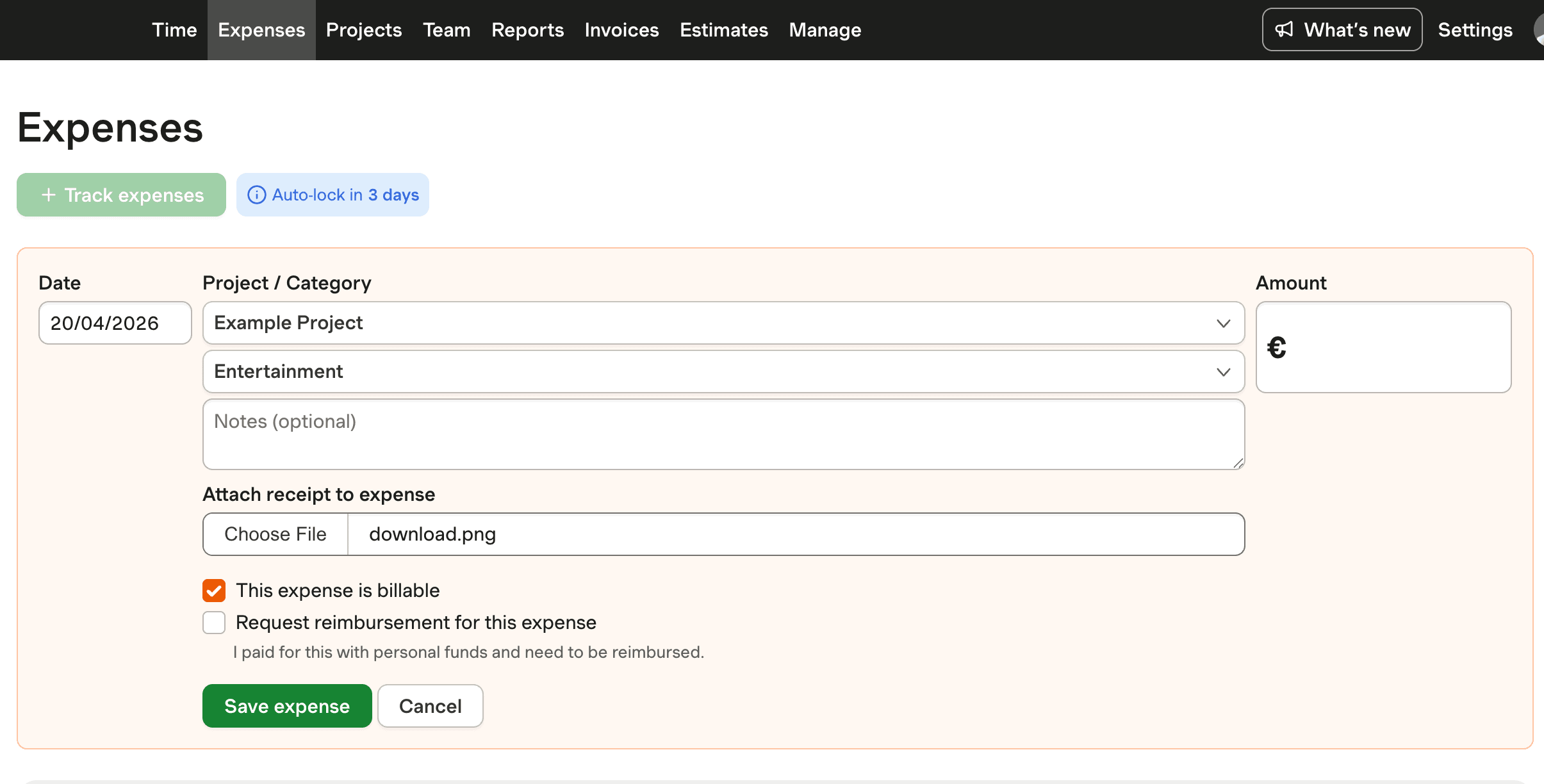
Harvest offers an intuitive platform for small businesses to manage their fuel expenses without the complexity of more advanced systems. By allowing manual entry and categorization of receipts, Harvest provides a straightforward way to track and manage fuel costs, which is vital for businesses aiming to maintain accurate records. This feature is particularly beneficial given that manual data entry errors can be reduced by 92% with systematic digital processes.

While Harvest does not support receipt scanning or integration with tax software, it excels in providing detailed exportable reports in CSV or Excel formats. This capability allows businesses to seamlessly incorporate Harvest’s data into their existing tax preparation processes. By focusing on simplicity and reliability, Harvest ensures that even businesses without dedicated accounting teams can manage their fuel expenses effectively.

Harvest's Role in Fuel Expense Reporting

Detailed and accurate fuel expense reporting is essential for compliance and financial management. In regions like the UK and the US, businesses are required to maintain meticulous records to claim tax deductions and comply with regulations such as the IFTA. Harvest supports this need by offering tools to manually categorize and export detailed expense reports, which can be integrated into broader financial reporting systems.

Although Harvest does not feature automatic categorization or GPS integration, it provides a robust framework for tracking and managing expenses manually. This approach ensures that businesses can maintain transparency and accuracy in their fuel expense reporting, which is critical during audits or tax preparation. By leveraging Harvest’s manual entry capabilities, businesses can ensure compliance and avoid penalties related to inaccurate record-keeping.

Maximizing Savings with Harvest

Businesses can maximize savings by using Harvest to track and manage their fuel expenses efficiently. Automated systems have shown the potential to cut fuel costs by up to 40% through waste reduction and optimized processes. While Harvest does not automate these savings mechanisms directly, it provides the necessary tools for businesses to manually track and analyze their fuel expenses comprehensively.

By offering detailed expense reporting and categorization features, Harvest enables businesses to identify trends and areas for cost reduction. This capability is essential for businesses seeking to optimize their fuel usage and reduce unnecessary expenses. Through careful manual entry and analysis, Harvest users can achieve a more transparent view of their fuel expenditures, ultimately leading to better financial decisions and increased savings.

Gas Receipt Tracking with Harvest

Explore how Harvest allows for manual entry and categorization of gas receipts, helping small businesses manage fuel expenses efficiently.

Harvest interface showing gas receipt entry and tracking features.

Gas Receipt Tracker FAQs

  • When choosing a gas receipt tracker, look for features like receipt entry, expense categorization, and detailed reporting. These features help ensure accurate tracking and compliance with tax regulations.

  • Harvest helps manage fuel expenses by providing tools for manual entry and categorization of receipts. It also offers exportable reports in CSV/Excel formats, aiding in detailed financial tracking and tax preparation.

  • While some apps offer free versions, Harvest provides a free 30-day trial, allowing businesses to explore its features for tracking expenses before committing to a subscription.

  • Categorizing fuel expenses involves accurately recording each transaction and assigning it to the correct expense category. Harvest allows users to manually categorize expenses, ensuring they are tax-ready.

  • Digital gas receipt trackers reduce manual entry errors by up to 92% and simplify compliance with tax regulations. They also save administrative time by automating reporting processes and enhancing data accuracy.

  • Tracking fuel expenses can identify inefficiencies and optimize fuel usage, potentially reducing costs by up to 40%. Harvest’s detailed reporting helps businesses analyze spending patterns and make informed decisions.

  • Manual entry ensures detailed and accurate records, which are essential for compliance and detailed financial analysis. Harvest supports this by allowing users to enter and categorize expenses meticulously.