
Harvest
Expenses
Sign up

Quickbooks Receipt Tracker

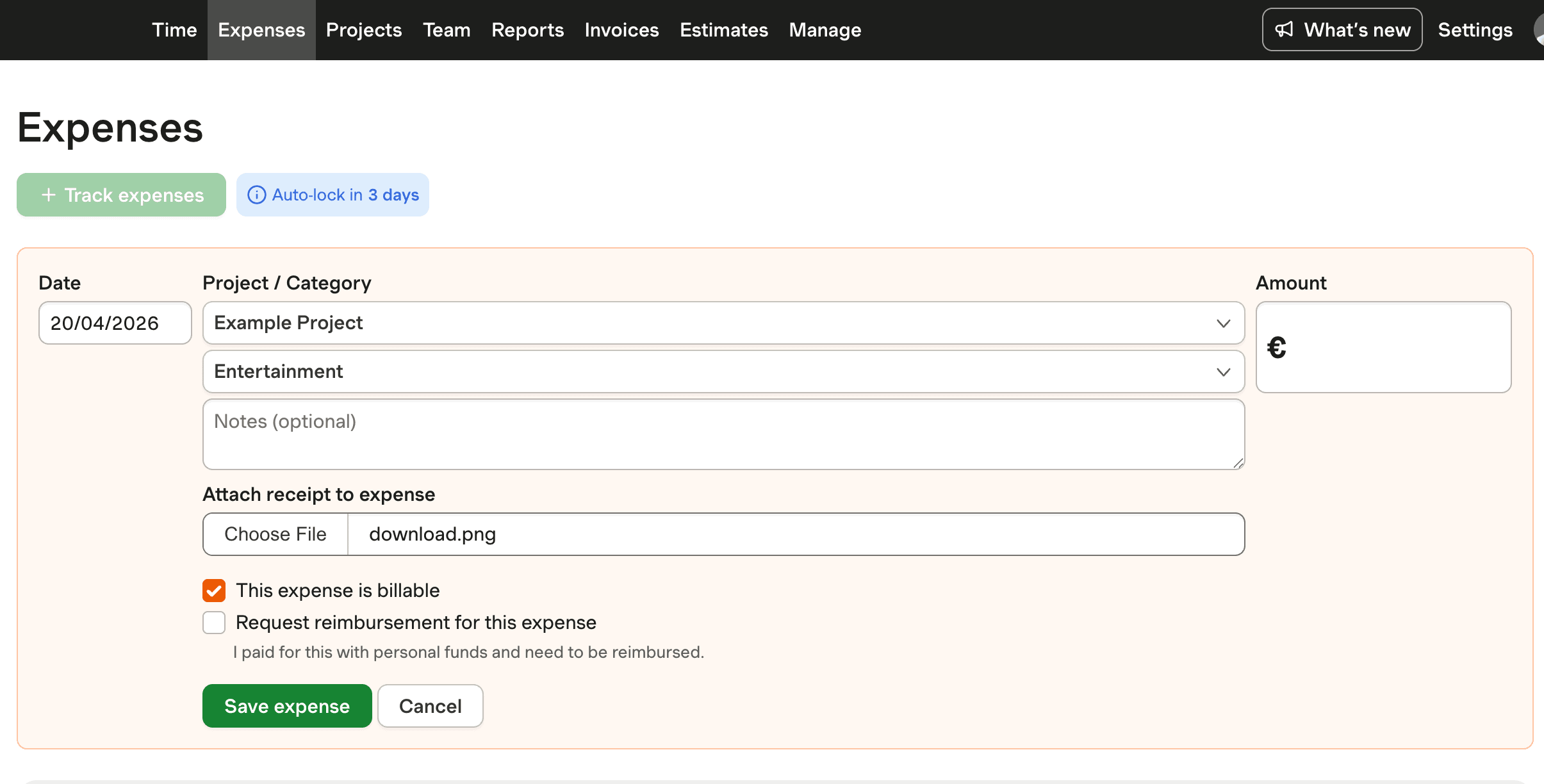
Harvest simplifies expense tracking by allowing users to attach receipts to expenses, ensuring accurate billing and reducing administrative errors.

  • Attach receipts to projects & tasks
  • Turn tracked expenses into client invoices
  • Free 30-day trial, no credit card needed

or drag & drop • Images and PDFs, max 10 MB

Efficient Receipt Tracking with Harvest

Efficient receipt tracking is crucial for businesses aiming to streamline their financial processes and ensure compliance. Many companies face challenges in managing receipts, often leading to incomplete records and potential financial discrepancies. With traditional paper receipts, there’s a risk of loss or damage, contributing to inefficiencies and additional administrative workload.

Harvest addresses these challenges by offering a user-friendly platform for tracking expenses and attaching receipts. While Harvest does not integrate directly with QuickBooks for automated transaction matching, it allows users to easily attach receipts to expenses. This feature ensures that all expenses are documented and can be included in client invoices, providing a clear audit trail and reducing the likelihood of errors.
The Benefits of Digital Receipt Management

The trend towards digital receipt management is growing, driven by the need for sustainable practices and technological advancements. Digital solutions offer significant benefits, including faster processing times, reduced operational costs, and enhanced compliance. For example, the average expense report costs $58 and takes 20 minutes to process, with 19% requiring rework. Implementing digital receipt systems can mitigate these inefficiencies.

Harvest provides a practical solution for businesses looking to transition to digital receipt management. By allowing receipts to be attached to expenses, businesses can maintain an organized, centralized record of all transactions. This not only facilitates easier tracking and auditing but also supports the growing consumer preference for digital receipts, as 75% now prefer digital over paper formats.

Manual Categorization and Compliance with Harvest

Accurate expense categorization and compliance are critical for businesses to avoid costly audits and penalties. While Harvest does not offer real-time categorization or integration with bank accounts for automatic expense downloads, it allows users to manually categorize expenses. This ensures that all financial records are accurate and comply with regulatory requirements.

For example, the IRS accepts digital receipts as official documentation if they are clear and legible, with a retention period of at least three years. Harvest enables businesses to organize and store receipts securely, meeting compliance standards and protecting against unauthorized access. This feature is particularly beneficial for companies in industries with strict documentation requirements, such as construction and hospitality, where accurate record-keeping is essential.

Streamline Expense Reporting with Harvest

Expense reporting can be a time-consuming task, often plagued by errors from manual data entry and lost receipts. Industry experts recommend digital solutions that incorporate automation to reduce these errors and save time. However, even without automation, Harvest supports efficient expense reporting by enabling users to attach receipts directly to expenses and invoices.

This functionality simplifies the process of compiling and reviewing expense reports, ensuring that all necessary documentation is attached and accurate. By leveraging Harvest’s capabilities, businesses can enhance their expense tracking accuracy, minimize the risk of duplicate entries, and improve overall financial management. This leads to more timely reimbursements and better financial oversight.

Transitioning to a Paperless Expense System

The shift to a paperless expense system is not only environmentally beneficial but also operationally advantageous. The global market for digital receipts is expected to grow significantly, from $2.1 billion in 2023 to $5.1 billion by 2033, reflecting a CAGR of 11.5%. This trend highlights the growing importance of digital solutions in expense management.

Harvest supports this transition by offering a straightforward method for attaching receipts to expenses, which can be included in client invoices. While not offering automated receipt processing or OCR capabilities, Harvest allows businesses to move towards a paperless system by securely storing digital copies of receipts. This transition helps reduce physical storage needs, cut costs associated with paper receipts, and align with sustainable business practices.

Explore Receipt Tracking with Harvest

See how Harvest simplifies expense tracking by allowing receipt attachments, ensuring accurate financial records.

Harvest interface showing receipt tracking functionality.

Quickbooks Receipt Tracker FAQs

  • Businesses benefit from digital receipt tracking through faster processing times, reduced costs, and enhanced compliance. The average expense report costs $58 and takes 20 minutes, with digital systems reducing rework by 19%.

  • Paper receipts contribute significantly to waste, with 90% being discarded. Digital receipts offer a more sustainable alternative, with 75% of consumers preferring them over paper.

  • Harvest allows users to manually categorize expenses, ensuring accurate financial records. While it doesn't offer real-time categorization, it facilitates organized and compliant financial management.

  • Yes, Harvest receipts comply with IRS requirements as they can be stored digitally, are clear and legible, and meet the retention period of at least three years.

  • Harvest features include attaching receipts to expenses for accurate billing and secure storage, facilitating efficient financial tracking and compliance.

  • Digital transformation is crucial for improved efficiency, accuracy, and compliance. It helps businesses save time and minimize errors associated with manual processes.

  • Harvest supports a paperless system by allowing digital receipt storage, reducing physical storage needs, and aligning with sustainable practices.