
Harvest
Expenses
Sign up

Mileage and Gas Tracker

Harvest simplifies mileage and gas expense tracking with manual entry, empowering businesses to efficiently manage project-based expenses without geo-location features.

  • Attach receipts to projects & tasks
  • Turn tracked expenses into client invoices
  • Free 30-day trial, no credit card needed

or drag & drop • Images and PDFs, max 10 MB

Why Accurate Mileage and Gas Tracking Matters

Accurate mileage and gas tracking is crucial for businesses that want to maximize tax deductions and control operational costs. The IRS standard mileage rate of $0.70 per mile for 2025 means that a business with vehicles traveling 50,000 miles annually could claim a $35,000 deduction. This underscores the financial benefits of precise tracking. Additionally, automated mileage tracking can save up to 42 hours annually, allowing more time for strategic activities.

However, tracking isn't just about numbers; it's about accuracy and compliance. The IRS requires detailed mileage logs for tax deductions, including trip dates, purposes, and locations. Non-compliance can result in disallowed deductions and penalties. Thus, businesses must adopt reliable systems to ensure precise records.
Harnessing Harvest for Manual Mileage Tracking

For small teams and businesses, Harvest offers a simple yet effective solution for manually tracking mileage and gas expenses. Users can categorize trips as either personal or business, aiding in accurate tax reporting. This feature is particularly beneficial when differentiating between deductible and non-deductible expenses.

While Harvest doesn’t offer automatic geo-location tracking, it allows users to manually enter mileage data, ensuring that even without real-time tracking, businesses can maintain accurate records. By manually inputting the distance traveled, users can leverage predefined rates to calculate expenses, ensuring compliance with IRS requirements.

Detailed Reporting for Business Accounting

Harvest excels in providing detailed reports on gas expenses and mileage, crucial for business accounting. Users can filter data by various criteria, allowing for tailored insights into expense patterns. This capability supports informed decision-making and helps identify cost-saving opportunities.

These reports can be exported and integrated with accounting software like QuickBooks and Xero for streamlined financial management. Although Harvest doesn’t sync expenses directly, its integration supports seamless invoice management, enhancing the overall efficiency of financial operations.

Adapting to Modern Mileage Tracking Trends

Modern mileage tracking trends emphasize digitization and automation, with digital solutions replacing traditional paper logs. Although Harvest focuses on manual entry, it aligns with these trends by offering a digital platform that enhances accuracy and efficiency over paper methods.

Businesses can benefit from a structured system that Harvest provides, avoiding common pitfalls of manual methods such as errors and misplaced logs. By integrating manual entries with digital reports, companies can develop a comprehensive view of their mileage expenses, essential for effective cost management and operational planning.

Track Mileage Manually with Harvest

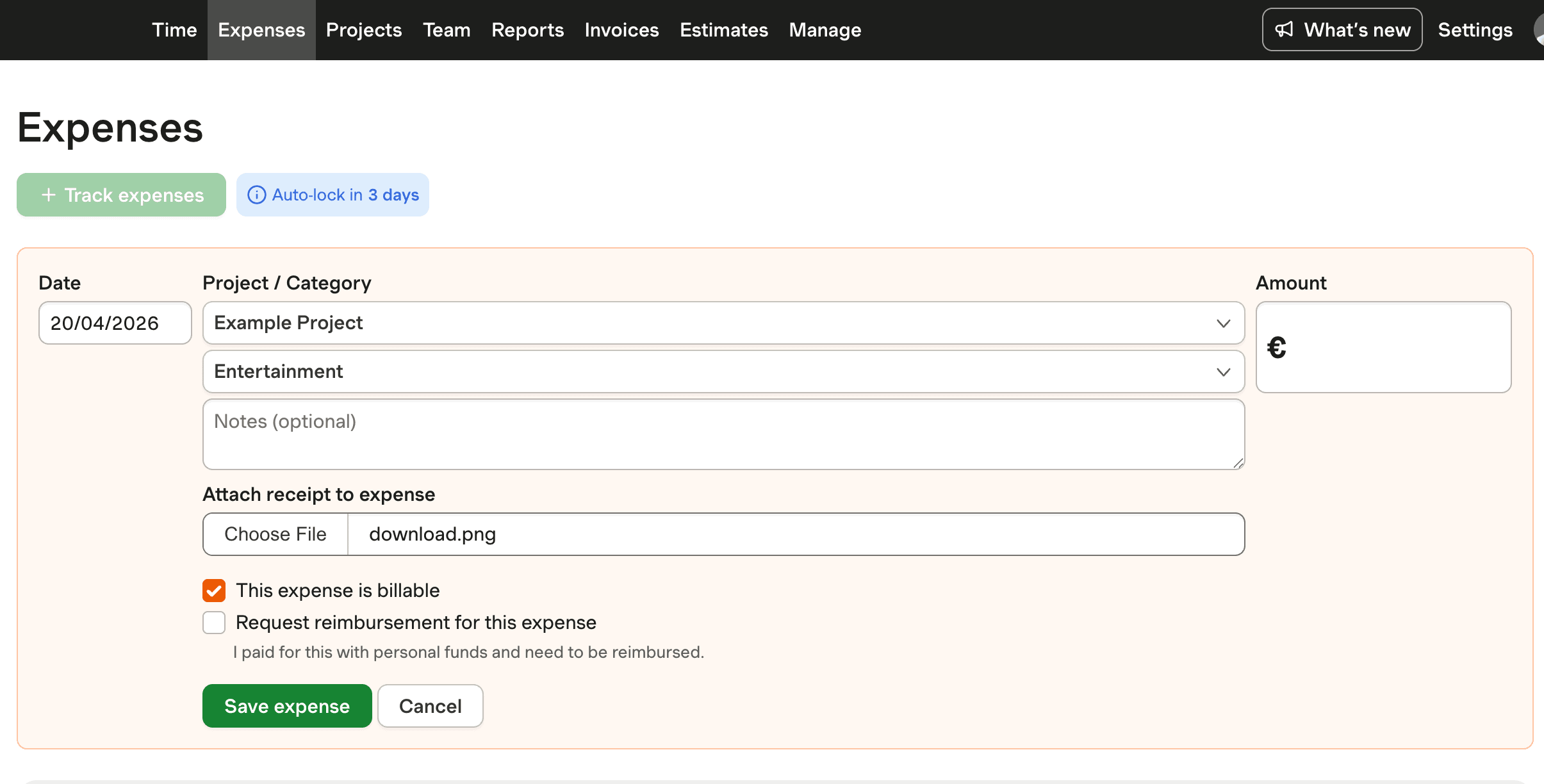
The preview shows how Harvest users can manually enter and categorize mileage expenses for detailed tracking and reporting.

Harvest mileage and gas tracker interface for manual entries

Mileage and Gas Tracker FAQs

  • Businesses can track mileage for tax deductions by maintaining detailed logs that include trip dates, purposes, and locations. Accurate records ensure compliance with IRS guidelines and maximize deductions, potentially saving thousands of dollars annually.

  • Mileage tracking apps automate the recording of trips, saving time and reducing errors compared to manual logs. They provide accurate data for tax deductions and help businesses manage travel expenses efficiently. Some apps also offer integration with accounting software for streamlined financial management.

  • Harvest allows users to manually categorize trips as either personal or business. This feature aids in accurately reporting expenses for tax purposes, ensuring businesses can claim appropriate deductions while maintaining compliance with tax regulations.

  • Manual mileage tracking with Harvest is effective due to its straightforward entry system, allowing users to input mileage data accurately. While it lacks automatic tracking, it provides detailed reporting and categorization features essential for managing project-based expenses.

  • Detailed mileage reports help businesses analyze travel expenses, identify cost-saving opportunities, and ensure accurate tax reporting. These insights support informed decision-making and improve overall financial management.

  • Yes, Harvest integrates with accounting software like QuickBooks and Xero. While it doesn't directly sync expenses, it simplifies financial management by allowing invoice syncing, enhancing the efficiency of business accounting processes.

  • Mileage tracking enhances operational efficiency by providing data insights into travel patterns, which can inform strategic decisions to optimize routes, reduce fuel consumption, and ultimately lower operational costs.