
Harvest
Expenses
Sign up

Google Sheet Money Tracker

Harvest simplifies time tracking and invoicing, helping businesses avoid the common pitfalls of manual financial management tools like spreadsheets.

EXPENSE REPORT DRAFT

Drop your receipts here or click to upload

Images and PDFs (max 10 MB each)

Date
Category
Merchant
Description
Amount
Total
$0.00

Customise report

Appearance

Show report title

Report settings

The Challenges of Using Spreadsheets for Financial Tracking

Spreadsheets have long been a cornerstone of financial management, yet they come with their own set of challenges. A significant 88% of spreadsheets contain errors, according to research from the University of Hawaii. These errors can lead to severe financial consequences, as exemplified by a mutual fund's $2.6 billion error due to a missing minus sign. Moreover, spreadsheets often lack robust security features, making them vulnerable to unauthorized changes and data breaches.

These challenges highlight the importance of careful management and regular auditing of spreadsheet data. For businesses relying heavily on spreadsheets, investing in dedicated financial management tools might mitigate these risks and improve accuracy. While a Google Sheet money tracker can be useful, it's crucial to implement best practices for data entry and formula management to avoid costly mistakes.
How to Customize a Google Sheets Money Tracker

Customizing a Google Sheets money tracker involves setting clear financial goals and structuring the spreadsheet to align with your needs. Start by defining categories for income and expenses. This organization helps in visually tracking where your money goes and identifying potential savings.

Next, leverage formulas to automate calculations. For instance, simple formulas can sum expenses or calculate remaining budget, thus reducing manual entry errors. Additionally, separate formula cells from data input cells and lock them to prevent accidental overwriting. This practice enhances spreadsheet efficiency and accuracy, ensuring your financial data remains reliable.

Features to Look for in a Google Sheets Money Tracker

When choosing a Google Sheets money tracker, consider key features that enhance usability and accuracy. Start with clear workbook architecture—separate inputs, calculations, and outputs to maintain clarity. This separation not only improves user understanding but also reduces errors.

Consistent formatting is another critical feature. Use visual cues to differentiate between editable input cells and non-editable calculated outputs. Regular updates—monthly or even weekly—are essential to maintain accuracy and uncover spending patterns. By setting a consistent budget period and regularly inputting actual numbers, you can effectively manage your finances.

The Importance of Regular Financial Review in Spreadsheets

Regular review of your Google Sheets money tracker is crucial for financial health. Approximately 82% of small businesses face cash flow challenges, suggesting that frequent updates could provide much-needed clarity. By reviewing spreadsheets monthly or even weekly, you can identify spending patterns and savings opportunities.

Moreover, a routine review helps uncover errors early. Given that 16% of large companies find spreadsheet errors more than ten times a year, consistent audits can prevent minor mistakes from ballooning into significant financial issues. Ensuring your data is current and correct can safeguard against potential financial discrepancies.

Best Practices for Spreadsheet Design and Usage

Adopting best practices in spreadsheet design can significantly enhance their reliability. Start by ensuring a clear distinction between data input areas and formula calculations, locking formula cells to prevent accidental changes. This separation is critical as it prevents overwriting and maintains data integrity.

Moreover, employing consistent formatting conventions can improve understanding and reduce errors. Thought leaders emphasize that financial planning should extend beyond numeric calculations, suggesting that an individual's values should guide financial decisions. By reflecting personal priorities in the design of your spreadsheet, you can create a more meaningful and actionable financial plan.

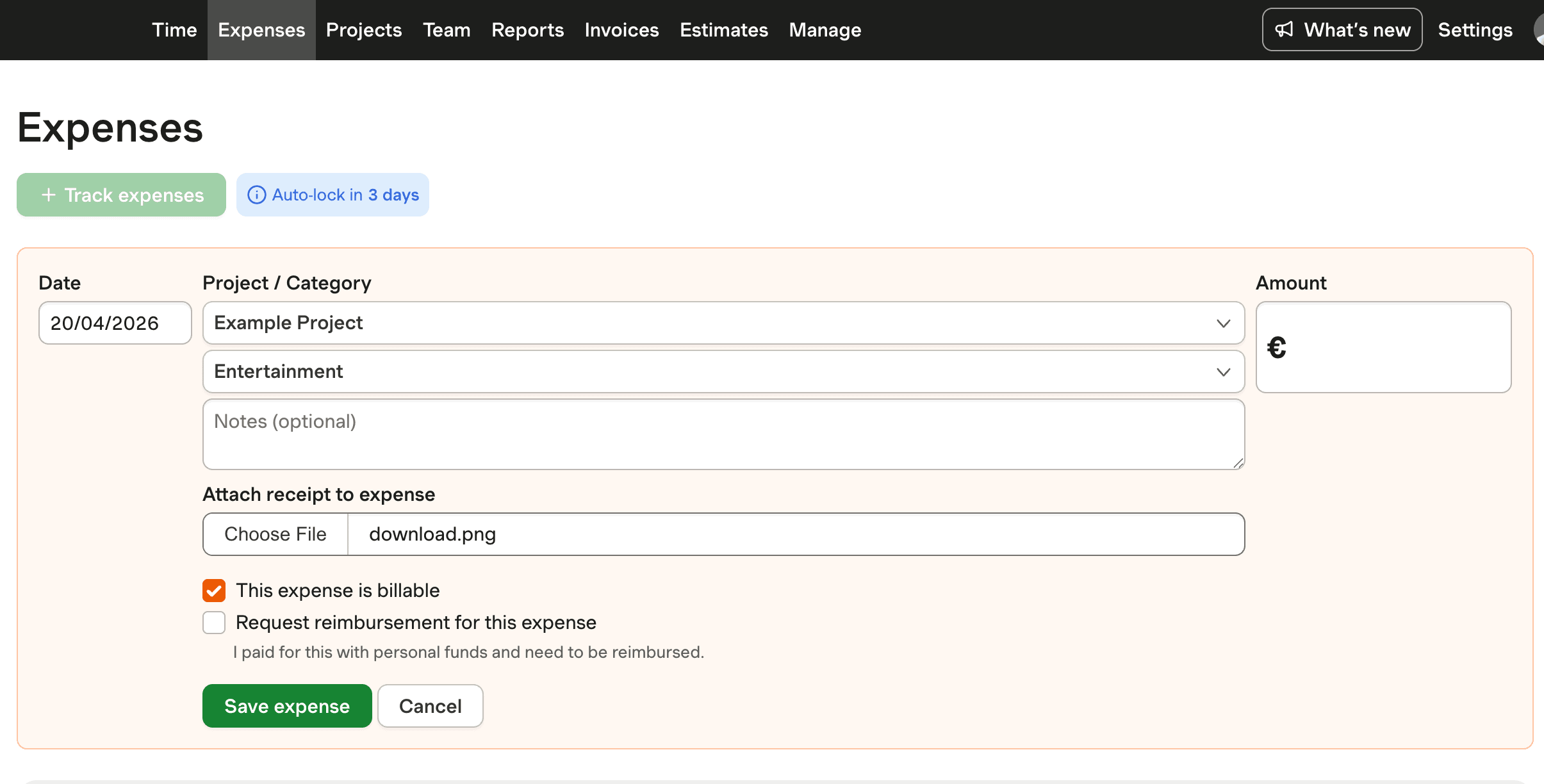
Google Sheet Money Tracker with Harvest

Explore how Harvest integrates time tracking with financial management, enhancing traditional Google Sheets trackers with precision.

Google Sheet for tracking money with customizable templates

Google Sheet Money Tracker FAQs

  • Google Sheets money trackers are customizable and accessible, ideal for personal finance management. They allow for real-time updates and can be shared or collaborated on easily. However, they require careful management to avoid errors, which are common in spreadsheets.

  • To customize a Google Sheets template, start by defining financial categories such as income and expenses. Use formulas to automate calculations, and visually distinguish input cells from formula cells to reduce errors.

  • Common mistakes include input errors, such as incorrect data entry, and formula errors, like incorrect cell references. Locking formula cells and regularly auditing data can help prevent these issues.

  • Regular review helps identify spending patterns and correct errors early, preventing small mistakes from becoming major financial issues. Frequent updates ensure your financial data remains accurate and actionable.

  • Improve accuracy by separating input and formula cells, locking formula cells, and employing consistent formatting. Regular audits and updates are also crucial for maintaining data reliability.

  • Yes, spreadsheets often lack robust security features, making them vulnerable to unauthorized changes and data breaches. It's important to implement best practices for access control and data protection.

  • Look for features like clear separation of inputs and calculations, automated formulas, and consistent formatting. Regular update prompts and error-checking mechanisms are also beneficial.