
Harvest
Expenses
Sign up

Trip Reimbursement

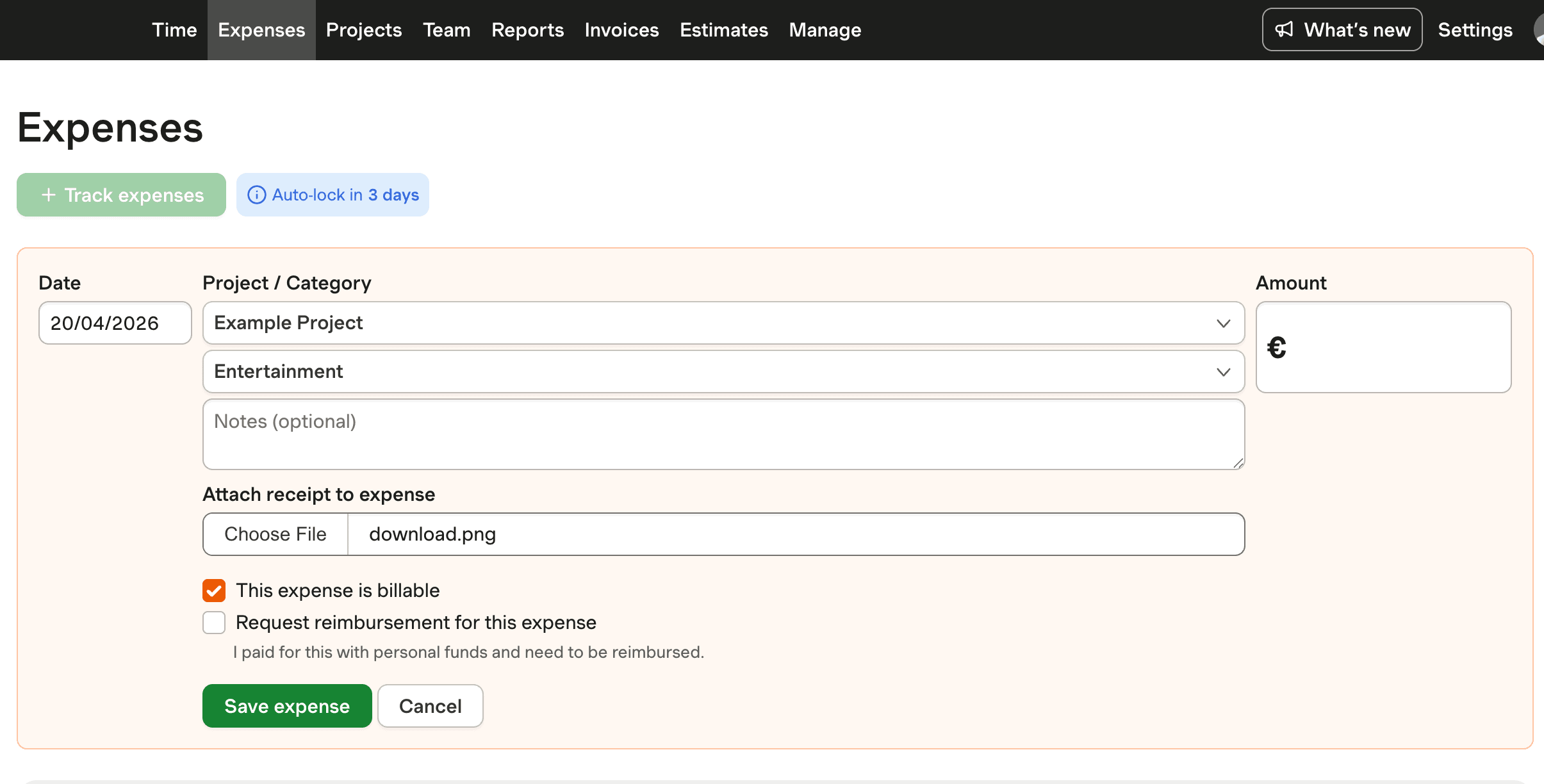
For businesses managing travel expenses, Harvest simplifies the process by allowing teams to track expenses manually and upload receipts, reducing errors and streamlining reimbursements.

  • Attach receipts to projects & tasks
  • Turn tracked expenses into client invoices
  • Free 30-day trial, no credit card needed

or drag & drop • Images and PDFs, max 10 MB

Understanding Trip Reimbursement Essentials

Trip reimbursements are a critical aspect of managing business travel expenses, and understanding the essentials can prevent costly errors. In 2021, global business travel spending reached $697 billion, with projections to hit $1.48 trillion by 2024. Companies typically allocate about 10% of their revenue to travel-related expenses, making accurate reimbursement processes vital for financial health. A significant challenge is the increase in policy violations, which rose by 24% from 2020 to 2021, including a 58.6% spike in missing receipt violations.

To streamline the reimbursement process, it's crucial to implement clear policies and ensure employees understand the importance of retaining receipts and adhering to submission deadlines. Effective policies not only define reimbursable expenses but also outline the required documentation and submission process, reducing the risk of violations and errors.
Streamlining Expense Tracking with Harvest

Accurate expense tracking is essential for smooth trip reimbursements, and Harvest offers a robust solution for managing travel expenses manually. By enabling teams to track expenses by project and category, Harvest addresses common challenges such as missing receipts and manual data entry errors. With the capability to upload receipts, Harvest ensures that all necessary documentation is available for review, helping to prevent common mistakes like duplicate submissions and inaccurate categorization.

Automation in expense management can significantly reduce processing costs, with automated systems cutting the average cost from $58 per manual report to under $10. Moreover, nearly 20% of manual reports contain errors or missing information, costing an additional $52 per erroneous report. Harvest's manual tracking and receipt upload features can mitigate these issues by providing a streamlined process that enhances accuracy and efficiency.

Navigating Legal and Compliance Challenges

Understanding legal and compliance requirements is crucial for effective trip reimbursements. In the U.S., while there is no federal law mandating reimbursement for travel expenses, failure to reimburse can lead to an employee's net pay falling below minimum wage, necessitating reimbursement. States like California, Illinois, and Massachusetts require reimbursement for necessary business expenses, with California setting a mileage rate of 72.5 cents per mile in 2026.

Harvest facilitates compliance by allowing for detailed manual tracking of expenses and receipt uploads, ensuring all necessary documentation is maintained. While it does not automate IRS compliance, it provides the tools needed for manual review and reporting, helping businesses stay aligned with federal and state requirements.

Best Practices for Trip Reimbursement

Implementing best practices can make trip reimbursement processes more efficient and error-free. A typical workflow includes collecting receipts during travel, submitting expense reports within 30-60 days after travel, and ensuring all documentation is complete. Manual systems often struggle with issues like missing receipts and inaccurate categorization, which can be mitigated through clear policies and regular employee training.

Harvest supports these practices by offering a platform for manual expense tracking and receipt management, helping to reduce common errors. By leveraging Harvest, companies can streamline their reimbursement processes, reduce administrative burden, and improve compliance. This approach not only saves time but also enhances employee satisfaction by ensuring timely reimbursements.

Streamline Trip Reimbursements with Harvest

Harvest allows teams to manually track travel expenses and upload receipts, simplifying the reimbursement process and enhancing accuracy.

Harvest interface showing trip reimbursement and expense tracking features.

Trip Reimbursement FAQs

  • To file a trip reimbursement, start by collecting all receipts during your travel. Submit expense reports within the specified deadline, usually 30-60 days post-travel. Ensure you attach necessary documentation, including receipts and any travel authorization forms. The report then goes through a manager's review before final processing by the finance team.

  • Required documentation for trip reimbursement includes receipts with date, amount, vendor, and itemized lists. Mileage logs should detail the date, starting and ending locations, total miles, and business purpose. Clear business justification is essential for each expense to meet compliance and reimbursement criteria.

  • Common mistakes include missing receipts, duplicate entries, and inaccurate expense categorization. To avoid these, keep all receipts organized, use standardized categorization, and double-check submissions. Automated systems like Harvest can help detect duplicates and ensure complete documentation.

  • The average cost of a business trip has risen significantly, with U.S. domestic trips averaging $1,293 and international trips costing about $2,600. The increase reflects a broader trend where global business travel spending is projected to reach $1.48 trillion by 2024.

  • Harvest aids compliance by providing tools for manual tracking of expenses and receipt uploads. While it doesn't automate IRS compliance, it supports businesses in maintaining comprehensive documentation, which is crucial for audit trails and meeting legal requirements.

  • Automation can reduce the cost of processing expense reports from $58 to under $10 each. It also minimizes errors, as nearly 20% of manual reports contain mistakes. Automated systems enforce policies in real-time, preventing out-of-policy expenses and expediting approval processes.

  • Clear expense policies prevent fraud and ensure compliance. They define what's reimbursable, the documentation needed, and submission procedures. Regular communication of these policies helps employees adhere to them, reducing errors and improving financial oversight.