
Harvest
Expenses
Sign up

Mile Tracker Sheet

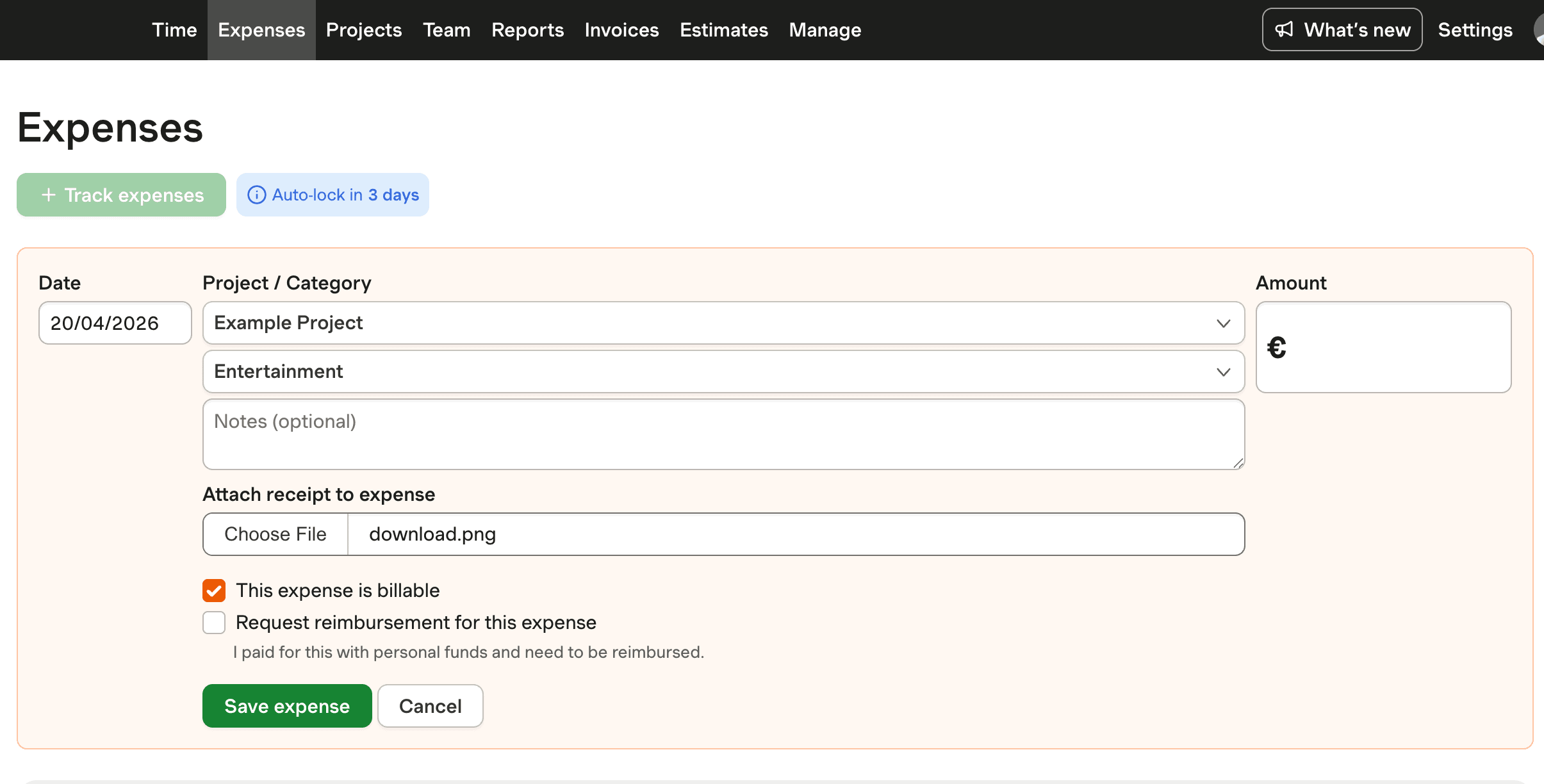
Harvest offers a straightforward solution for manually tracking mileage expenses, ideal for small businesses needing basic compliance with IRS requirements.

  • Attach receipts to projects & tasks
  • Turn tracked expenses into client invoices
  • Free 30-day trial, no credit card needed

or drag & drop • Images and PDFs, max 10 MB

Understanding IRS Requirements for Mileage Logs

Accurately tracking mileage is crucial for compliance with IRS requirements, especially for those seeking tax deductions. The IRS mandates that a comprehensive mileage log must include the date of travel, the starting location, the destination, the specific business purpose of the trip, and the total miles driven. Additionally, annual odometer readings are necessary to support total mileage calculations. Failure to maintain precise logs can result in the disallowance of deductions during an audit, leading to increased tax liabilities.

While Harvest does not automate the recording of these details, it allows small businesses to track mileage as an expense category. Users can manually input the required information to maintain compliance. Harvest's flexibility in setting per-mile rates supports businesses in aligning their records with IRS guidelines.
The Cost of Inaccurate Mileage Tracking

Inaccurate mileage tracking can lead to substantial financial losses. A global survey revealed that 47% of employees admitted to exaggerating mileage claims, which could result in significant overpayments for businesses. Moreover, businesses that fail to accurately track mileage might lose out on potential deductions, leading to higher tax liabilities. The IRS standard rates, such as 72.5 cents per mile in 2026, highlight the importance of each mile recorded accurately.

Harvest addresses this issue by enabling manual entry of mileage expenses, providing a straightforward tool for small businesses to ensure each mile is accounted for. Although manual, Harvest allows businesses to set accurate per-mile rates, helping to prevent over- or underreporting of mileage expenses.

Leveraging Technology for Efficient Mileage Tracking

The evolution of mileage tracking from manual logbooks to digital solutions has significantly enhanced efficiency and accuracy. Automated tools have been shown to save drivers an average of 42 hours annually on mileage entry tasks. While Harvest does not offer automated tracking, it provides a mobile app that supports manual entry of mileage expenses, ensuring small businesses can easily record and manage their data digitally.

By integrating mileage tracking into a broader expense management system, Harvest helps streamline the reimbursement process and eliminates redundant data entry, providing finance teams with faster visibility into travel expenditures. This integration is particularly beneficial for small business owners aiming to maintain compliance and efficiency.

Practical Tips for Maintaining Accurate Mileage Logs

Maintaining accurate mileage logs is essential for maximizing tax deductions and ensuring compliance. It is crucial to record mileage accurately and immediately after each business trip to avoid reliance on memory, which can lead to errors. Logs should include all required details like date, starting point, destination, business purpose, and total miles.

Harvest allows for manual mileage tracking, enabling users to maintain detailed records. Although it requires manual effort, Harvest supports the entry of detailed trip information, ensuring that businesses can maintain compliance with IRS requirements. Regularly recording odometer readings and differentiating between business and personal travel are also recommended best practices.

Mile Tracker Sheet in Harvest

See how Harvest supports manual mileage tracking for IRS compliance. Enter trips easily and manage rates for accurate record-keeping.

Dashboard showing mileage tracking features in Harvest.

Mile Tracker Sheet FAQs

  • A compliant mileage tracker sheet must include the date of travel, starting location, destination, specific business purpose, and total miles driven. Additionally, annual odometer readings are vital for accurate calculations. This detailed information helps ensure compliance with IRS requirements.

  • Harvest supports manual entry of mileage expenses, allowing users to record the necessary details such as date, purpose, and miles traveled. It provides a digital platform for small businesses to ensure accurate tracking and compliance with IRS standards.

  • Accurate mileage tracking is essential for maximizing tax deductions and avoiding increased tax liabilities. The IRS requires detailed logs to support mileage claims. Inaccurate records can lead to disallowed deductions during audits.

  • Small businesses can ensure compliance by maintaining detailed mileage logs that include all required information. Using digital tools like Harvest for manual entry can help organize and store these records efficiently.

  • Yes, many sources offer free mileage tracker templates in formats like PDF and Excel. These templates can be used to manually log the necessary information, ensuring compliance with IRS requirements.

  • Failure to maintain accurate mileage logs can result in the disallowance of deductions during IRS audits. This may lead to increased tax liabilities and potential penalties for non-compliance.

  • Harvest tracks mileage as a single expense category. While it does not automatically differentiate between business and personal travel, users can manually label trips to maintain clarity in their records.