
Harvest
Expenses
Sign up

Google Track Miles

Manual mileage tracking can lead to overreporting by up to 29%. Harvest provides an easy way to manually log mileage expenses, simplifying project-based tracking.

  • Attach receipts to projects & tasks
  • Turn tracked expenses into client invoices
  • Free 30-day trial, no credit card needed

or drag & drop • Images and PDFs, max 10 MB

Challenges of Mileage Tracking with Google Maps

Mileage tracking using digital tools like Google Maps can present challenges for businesses aiming for accuracy and compliance. Manual logging often leads to errors, with studies showing overreporting by as much as 29%. This inaccuracy not only affects reimbursement accuracy but can also trigger IRS audits if logs do not meet compliance standards. Furthermore, manual processes are time-consuming, costing businesses significant time and resources—some companies report spending two full days each month managing manual mileage logs.

To address these issues, businesses are increasingly turning to automated tracking solutions. These systems can save drivers an average of 42 hours per year on mileage entry tasks, freeing them up for more productive activities. Harvest offers a simple manual mileage tracking system that allows teams to record mileage expenses easily, though it does not currently support automated Google Maps integration.
The Importance of Accurate Mileage Records for Compliance

Maintaining accurate mileage records is crucial for IRS compliance and avoiding potential penalties. The IRS requires detailed records that include the trip date, start and end locations, and the specific business purpose. Failing to maintain these can lead to deductions being disallowed and increased audit risks. Moreover, inadequate records can result in penalties of up to 30% for unpaid taxes deemed careless.

Harvest provides a straightforward way to manually track mileage expenses, which can be categorized by project and marked as billable or non-billable. While it doesn't offer IRS-compliant mileage logs or categorization of personal vs. business trips, it supports the basic need for project-based expense tracking. This can help ensure that at least the project-related expenses are documented accurately for internal purposes.

Benefits of Digital Mileage Tracking Solutions

Digital mileage tracking solutions offer a myriad of benefits over traditional methods. Companies that switch to automated tracking report significant time savings—up to 4,000 hours annually for 100 employees. Additionally, transitioning to a Fixed and Variable Rate (FAVR) program can reduce transportation costs by 30% per year, thanks to precise, automated data.

While Harvest requires manual entry of mileage data, it supports basic project-focused expense management. For businesses not requiring complex integrations, Harvest's system provides a simple yet effective way to keep track of mileage expenses, ensuring project costs are managed without the overhead of advanced digital tools.

Integrating Mileage Tracking with Broader Expense Management

Integrating mileage tracking with broader expense management systems can streamline processes and enhance visibility. By doing so, businesses can eliminate duplicate entries, accelerate workflows, and gain insights into travel spending patterns. This integration is particularly beneficial for finance teams who need immediate access to accurate data.

Harvest allows for manual entry of expenses, including mileage, to be categorized by project, making it a useful tool for teams that need to organize their expenses without the complexity of advanced systems. This feature ensures that expenses are aligned with project budgets and can help in managing overall financial health.

Track Mileage with Harvest

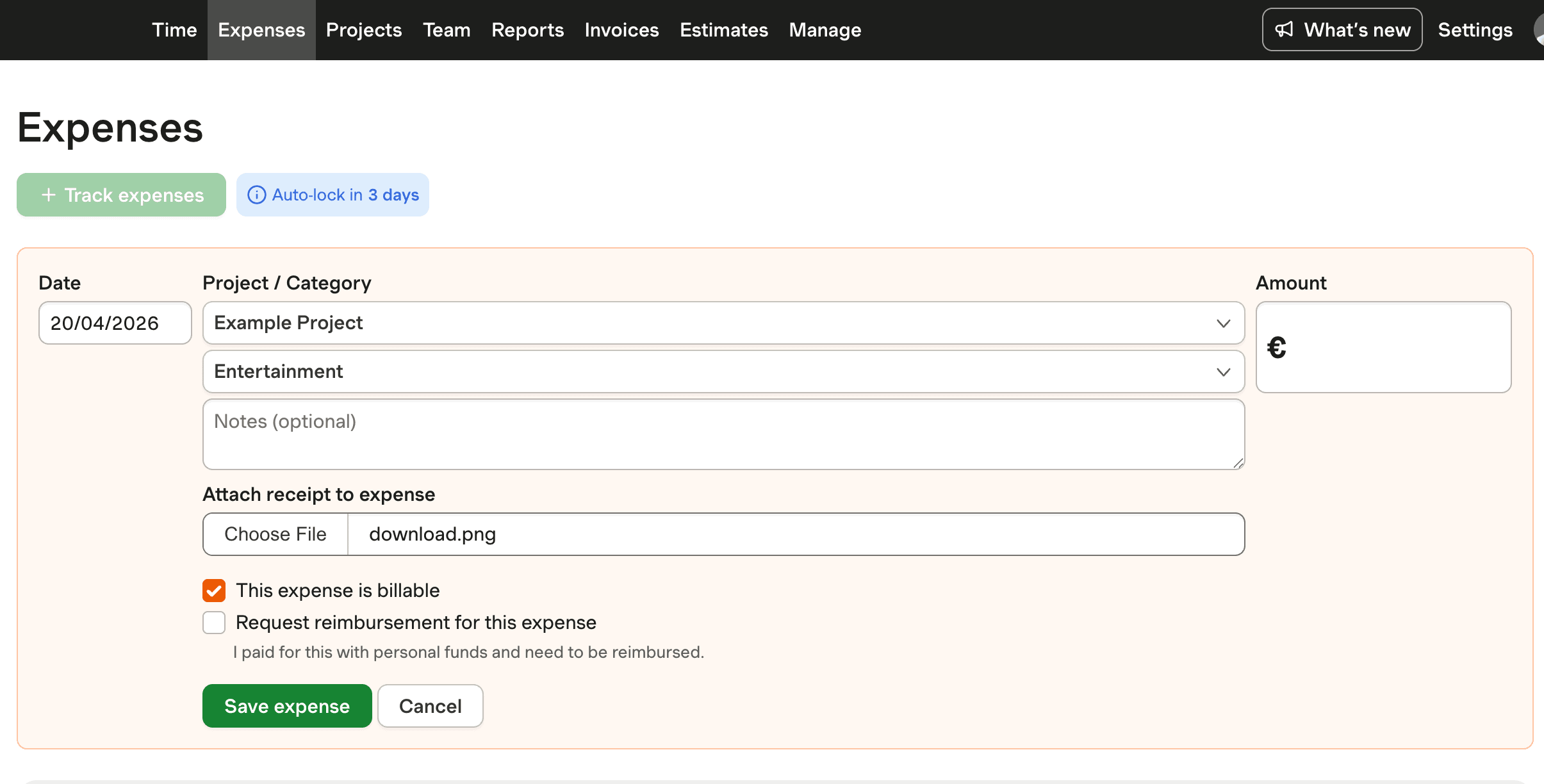
Harvest offers easy manual entry for mileage expenses, perfect for teams seeking simple project-based tracking without complex integrations.

Screenshot showing Harvest's mileage tracking feature in a project context.

Google Track Miles FAQs

  • Google Maps can be used to plan routes and estimate distances, but it doesn't automatically log mileage. For detailed tracking, consider tools that integrate with Google Maps data or allow manual entries, like Harvest.

  • There are various apps that integrate Google Maps data for mileage tracking, providing automated logs and compliance features. Harvest offers a manual entry system for project-focused expense tracking.

  • Yes, many digital tools provide IRS-compliant features, including automated logs and detailed reporting. Harvest supports manual logging, which can help keep project expenses organized for internal use.

  • Accurate categorization requires logging each trip's purpose. Automated tools can assist, but Harvest allows expense categorization by project, which may help in organizing business-related costs.

  • Google Timeline provides historical data on trips, but for real-time, automated tracking, look for apps designed for mileage management. Harvest focuses on manual entry rather than automation.

  • Automated mileage tracking can save up to 42 hours annually per driver by eliminating manual entry tasks, allowing focus on higher-value activities. Harvest offers a manual solution for those requiring simplicity.

  • The IRS requires logs that include trip dates, locations, purpose, and distances. While Harvest offers manual tracking for project expenses, it does not provide IRS-compliant logs.