
Harvest
Expenses
Sign up

Weekly Mileage Tracker

Harvest simplifies mileage expense tracking with customizable rates and team management, ideal for small businesses needing precise project-based reporting.

EXPENSE REPORT DRAFT

Drop your receipts here or click to upload

Images and PDFs (max 10 MB each)

Date
Category
Merchant
Description
Amount
Total
$0.00

Customise report

Appearance

Show report title

Report settings

Why Weekly Mileage Tracking Matters

Weekly mileage tracking is essential for businesses and individuals who aim to optimize their expense reporting and ensure tax compliance. Missing out on accurate mileage logging can lead to substantial financial leakage, with small business owners often underreporting mileage by 15-20%, potentially losing thousands in tax deductions annually. On the flip side, about 47% of employees have been found to overclaim, inflating mileage by an average of 27% when relying on manual methods.

The shift from manual to automated mileage tracking has been pivotal. Companies adopting automated solutions report saving over 4,000 hours annually across just 100 employees. This evolution is not just about saving time but also about enhancing accuracy and compliance, which are crucial for effective financial management. Harvest, though not providing automatic GPS tracking, offers a structured approach to manual mileage entry, helping businesses keep track of travel expenses efficiently.
The Evolution of Mileage Tracking

Mileage tracking has evolved from a straightforward administrative task to an integral part of financial management workflows. Previously, companies relied on manual logs, spreadsheets, or handwritten records, which often resulted in inaccuracies and inefficiencies. Now, automated solutions are the norm, significantly reducing human error and improving data reliability.

In the construction industry, for example, accurate mileage tracking is critical not only for tax deductions but also for precise project cost estimation. A commercial subcontractor reported saving weeks of administrative time by switching to automated tracking, which led to more accurate cost allocation, enhancing project profitability. Harvest supports such businesses by allowing customization of mileage reimbursement rates, making it easier for small teams to manage project-based expenses efficiently.

Legal and Compliance Considerations

For businesses in the United States, IRS compliance is a critical aspect of mileage tracking. The IRS requires detailed records of business-related travel, including dates, destinations, and purposes of trips, to qualify for tax-free reimbursements. While Harvest does not provide IRS-compliant mileage reporting, it allows users to manually track and include mileage expenses in their detailed reports. This can be crucial for tax documentation and audit readiness.

Similarly, in the UK, HMRC mandates that records be kept for five years following the annual tax submission. Harvest enables users to generate these records in a structured format, helping them meet compliance requirements. While it doesn't automate business versus personal drive classification, Harvest's team management features allow for effective oversight of multiple drivers, ensuring accurate entries and compliance.

Best Practices for Effective Mileage Tracking

Effective mileage tracking requires consistent and detailed record-keeping. One of the best practices is to maintain a thorough log that includes the date, destination, purpose, and total mileage for each journey. While GPS-based apps automate this process, Harvest offers a manual entry system that can be just as effective when used diligently.

Common mistakes such as untimely logging and mathematical errors can be avoided by utilizing tools like Harvest. By integrating mileage expenses into their broader financial management systems, businesses can streamline expense reporting and ensure accuracy. Harvest's capability to generate detailed reports for reimbursement ensures that travel-related expenses are correctly documented and reimbursed.

Integrating Mileage Tracking with Business Processes

Mileage tracking should not operate in isolation but as part of a broader expense management strategy. Integrating mileage tracking with accounting and payroll systems can streamline the reimbursement process. Although Harvest does not sync expense entries with accounting software, it facilitates easy integration with platforms like QuickBooks Online for invoice copying.

Furthermore, Harvest supports customizable expense reporting, allowing businesses to adjust reimbursement rates according to their specific needs. This flexibility is particularly beneficial in industries with fluctuating mileage rates, ensuring that all expenses are accurately accounted for and managed efficiently.

Track Weekly Mileage with Harvest

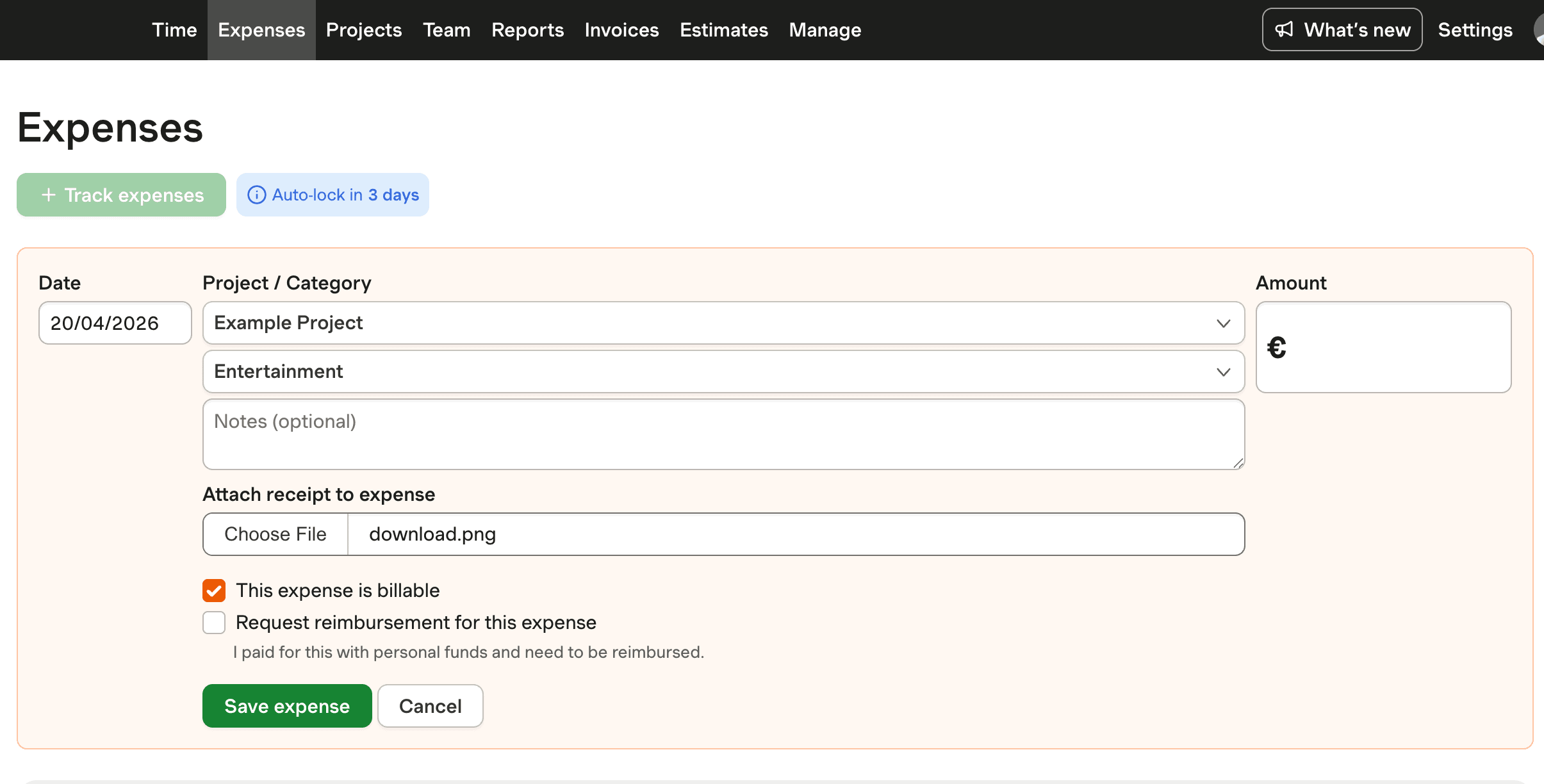
Harvest provides a manual entry system for tracking mileage expenses, ensuring accurate and customizable reporting for small teams.

Harvest interface for weekly mileage tracking.

Weekly Mileage Tracker FAQs

  • Automated mileage tracking reduces human error, improves data accuracy, and saves time. Companies adopting automated solutions report saving over 4,000 hours annually across 100 employees.

  • To ensure IRS compliance, maintain detailed records of business-related travel, including dates, destinations, and purposes. Harvest allows you to manually track mileage for inclusion in expense reports.

  • While Harvest does not sync expense entries with accounting software, it integrates with QuickBooks Online and Xero for invoice copying, helping streamline financial processes.

  • Mileage tracking is crucial for optimizing tax deductions, managing expenses, and improving operational efficiency. Accurate logs prevent financial leakage and enhance profitability.

  • Harvest offers team management features, allowing administrators to manage expenses for multiple drivers, ensuring accurate and efficient mileage tracking across teams.

  • Common errors include untimely logging and mathematical mistakes. Using tools like Harvest can help prevent these by providing structured manual entry systems for accurate record-keeping.

  • Customizable mileage rates allow businesses to adjust reimbursement according to specific needs, ensuring accurate expense management. Harvest supports this through its expense category settings.

  • Mileage data is increasingly used for understanding business profitability and for proactive financial planning. Accurate tracking ensures valid deductions and better financial insights.

  • Harvest allows users to generate detailed expense reports, making it easier to document travel-related expenses accurately, aiding in reimbursement and financial analysis.