
Harvest
Expenses
Sign up

Lease Mileage Tracker Excel

Lease mileage overages can lead to costly fees. Harvest helps manage project-based mileage expenses, although it does not track lease-specific limits.

  • Attach receipts to projects & tasks
  • Turn tracked expenses into client invoices
  • Free 30-day trial, no credit card needed

or drag & drop • Images and PDFs, max 10 MB

Understanding Lease Mileage Limits and Fees

Lease mileage limits are a critical component of vehicle lease agreements, often set between 10,000 to 12,000 miles annually. Exceeding these limits can result in significant financial penalties, with excess mileage fees typically ranging from $0.10 to $0.30 per mile. For instance, exceeding a limit by just 5,000 miles can lead to additional charges between $750 and $1,250. Understanding and managing these limits is essential for avoiding unexpected costs at the end of a lease term.

While traditional mileage tracking methods involve manual logging, many users now seek automated solutions to enhance accuracy and reduce administrative burdens. Automated systems have shown productivity gains, saving over 4,000 hours annually for organizations with 100 employees. Although Harvest does not specifically track lease mileage limits, it excels in tracking project-based mileage expenses. By setting a rate for mileage as an expense category, Harvest helps manage costs effectively.
Best Practices for Tracking Lease Mileage

Effective lease mileage tracking starts with accurately estimating your annual driving needs. This can be done by reviewing past driving records or using a personal mileage tracking tool to set realistic expectations. Once the lease is in place, break down the total mileage allowance into monthly targets. For example, a 12,000-mile annual limit translates to about 1,000 miles per month, which can help in maintaining a consistent check on odometer readings.

To stay within these limits, consider planning routes efficiently, consolidating errands, and even renting a vehicle for long trips to keep mileage off the leased car. For those using Excel for tracking, ensure the spreadsheet is meticulously organized and double-check formulas to prevent accidental deletions. While Harvest does not provide a lease mileage tracker, it supports detailed mileage expense entries, offering a structured approach to expense management.

Navigating Lease Mileage Tracking with Excel

Excel remains a popular tool for tracking lease mileage due to its flexibility and familiarity. When setting up an Excel spreadsheet, it's crucial to include columns for trip dates, starting and ending odometer readings, destinations, and purposes of trips. This setup allows for easy calculation of total miles driven and comparisons against monthly or annual limits.

Excel users should be cautious of formula integrity, ensuring that key calculations remain intact. For businesses managing multiple vehicles, maintaining separate spreadsheets for each vehicle can enhance clarity and improve auditability. Although Harvest does not automate lease-specific calculations, its capability to manage mileage as an expense category provides a reliable framework for tracking business-related mileage expenses.

Benefits of Integrated Mileage Tracking Solutions

Integrated mileage tracking solutions offer significant advantages over manual methods. By automating data entry and calculations, these systems reduce the risk of errors and save administrative time. Organizations adopting such solutions have reported reduced fraudulent claims and better recovery of personal mileage expenses, highlighting the importance of precise tracking.

While Harvest’s features do not provide automated lease-specific solutions, they facilitate efficient tracking of project-based mileage expenses through manual entry. This capability allows for accurate logging of miles driven for business purposes, ensuring compliance with company policies and financial regulations.

Track Mileage with Harvest

Explore Harvest's capabilities in tracking project-based mileage expenses. Learn best practices for lease mileage management.

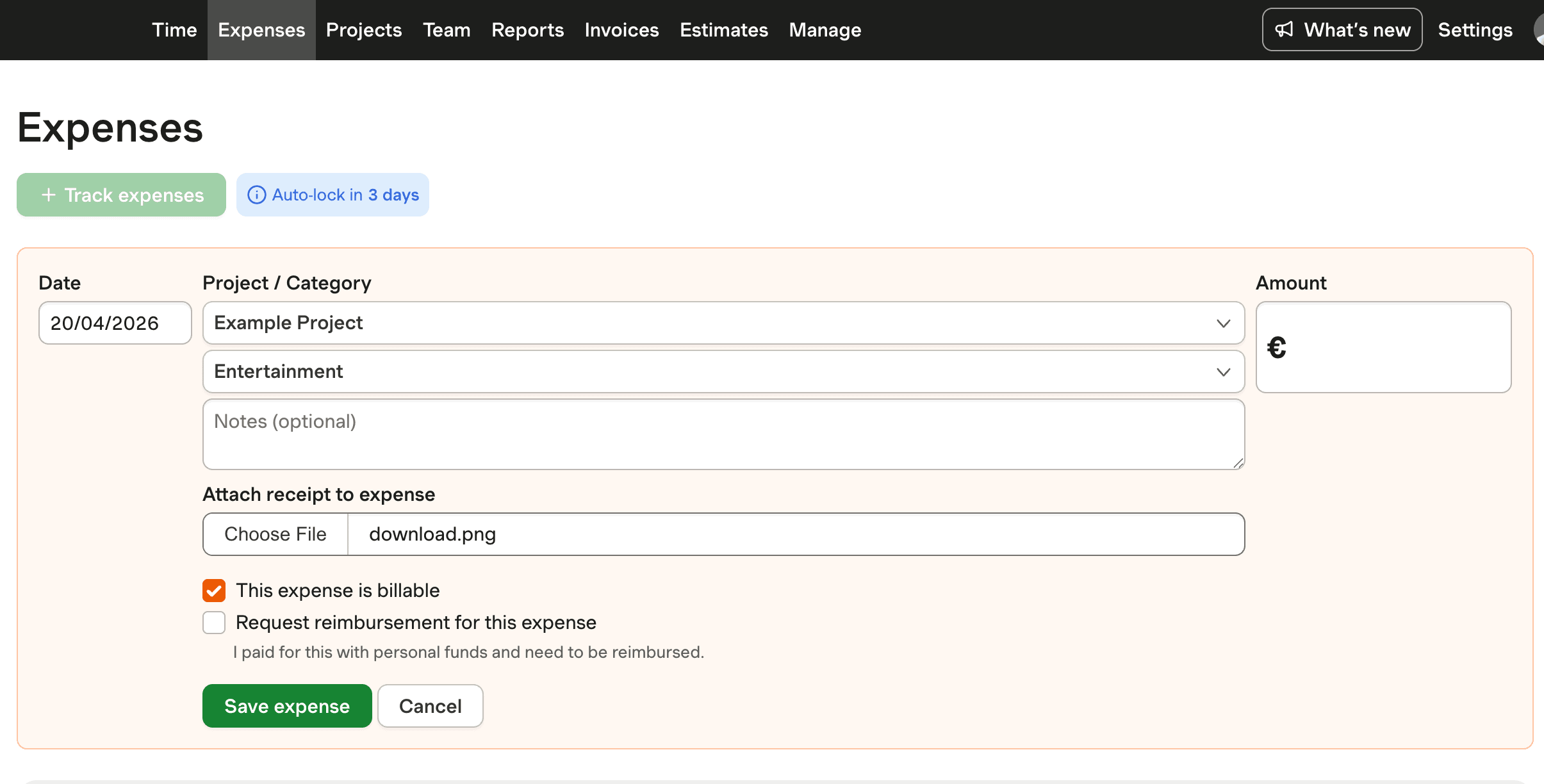
Harvest dashboard showcasing mileage expense tracking features.

Lease Mileage Tracker Excel FAQs

  • A lease mileage tracker should include fields for trip dates, starting and ending odometer readings, destinations, purposes, and total miles driven. This setup allows for accurate tracking against lease limits and helps in calculating any potential excess fees.

  • To calculate excess mileage fees, multiply the number of miles driven over the lease limit by the per-mile fee specified in your lease agreement. These fees typically range from $0.10 to $0.30 per mile.

  • Yes, many websites offer free Excel templates specifically designed for lease mileage tracking. These templates provide structured formats for logging trips and calculating mileage against lease limits.

  • To differentiate between personal and business mileage, keep detailed records of each trip's purpose and categorize them accordingly. This distinction is crucial for accurate expense reporting and compliance with tax regulations.

  • Best practices include setting monthly mileage targets, regularly checking odometer readings, and planning routes efficiently to conserve mileage. For extended trips, consider renting a vehicle to avoid overage fees.

  • Harvest helps track project-based mileage expenses through manual entry and rate management. While it doesn't track lease-specific limits, it supports detailed expense logging to manage costs effectively.

  • Harvest allows setting a per-mile rate for expenses but does not automate excess mileage calculations based on lease agreements. It focuses on tracking project-related mileage expenses.