
Harvest
Expenses
Sign up

Mile Tracker for Uber

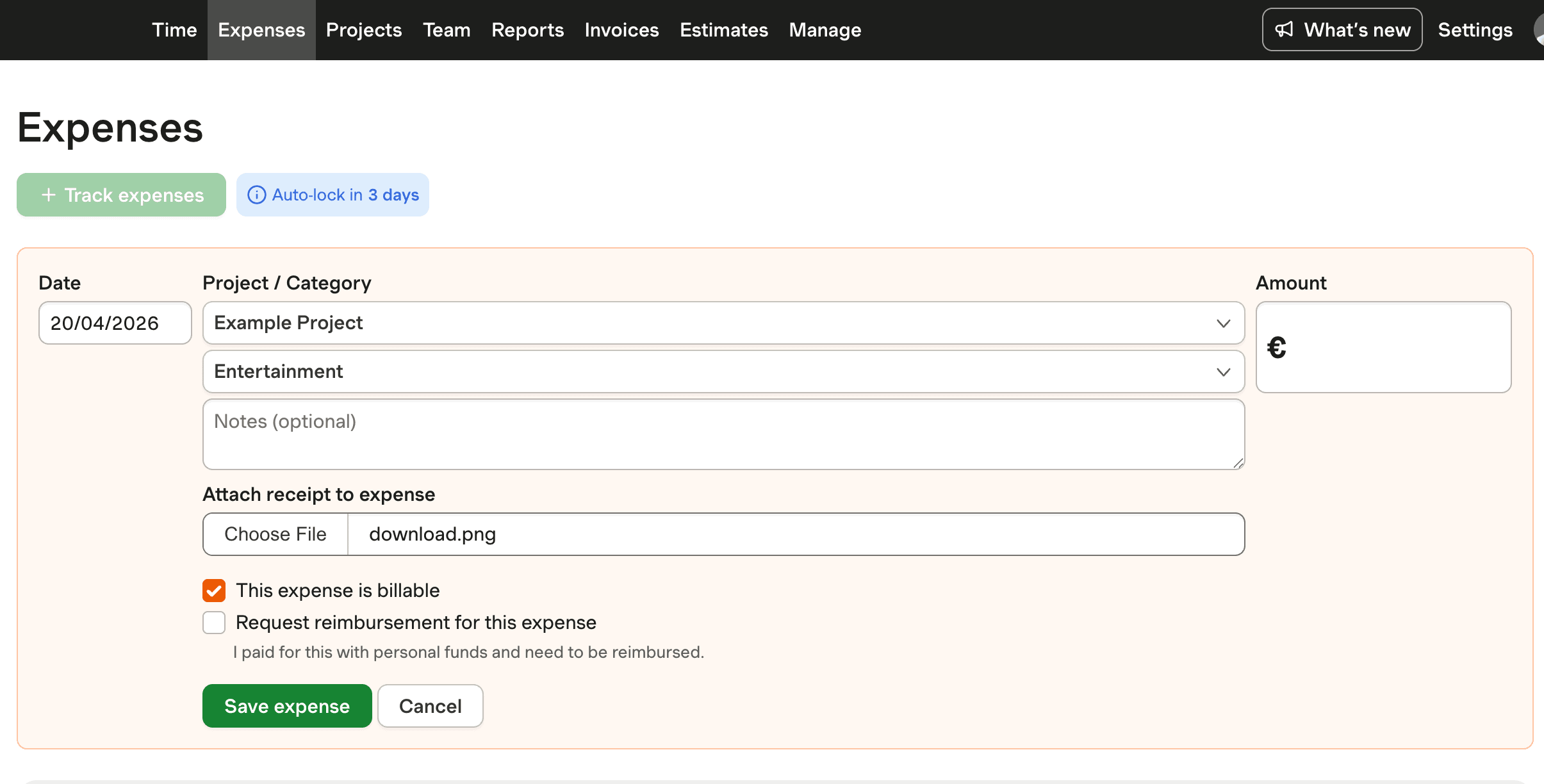
Harvest helps Uber drivers manage expenses like fuel and maintenance, ensuring no deductible is missed and maximizing tax savings.

  • Attach receipts to projects & tasks
  • Turn tracked expenses into client invoices
  • Free 30-day trial, no credit card needed

or drag & drop • Images and PDFs, max 10 MB

Maximize Mileage Deductions with Manual Expense Tracking

Uber drivers looking to maximize their tax deductions can benefit from detailed expense tracking. While some solutions offer automatic trip detection, Harvest allows users to manually enter and categorize expenses like fuel and maintenance costs, crucial for capturing all deductible expenses. This manual entry ensures that drivers account for every eligible expense, which can significantly increase their deductions. For example, failing to track 500 business miles weekly could result in a loss of over $18,200 annually in deductions at the 2026 IRS rate of 72.5 cents per mile.

By providing a platform to log expenses accurately, Harvest helps Uber drivers maintain detailed records, a requirement by the IRS for tax deductions. With this thorough documentation, drivers can confidently claim their mileage and associated expenses, supporting their deductions during audits. Manual entry may not offer the convenience of automatic tracking but ensures compliance with IRS standards, which require contemporaneous records for all business-related mileage.
Customizable Expense Reports for Uber Drivers

Understanding the financial landscape of ridesharing is vital for Uber drivers, and Harvest provides detailed, customizable expense reporting to support this. Unlike applications with automatic trip classification features, Harvest excels in creating comprehensive reports that Uber drivers can use for tax filing and reimbursement. These reports allow for filtering by custom categories, such as fuel and maintenance, enabling drivers to see exactly where their money is going and how much they can claim back.

Drivers can export these reports for their tax filings, ensuring they don't miss out on potential savings. For instance, a gig worker driving 15,000 business miles annually can save between $1,300 and $2,400 at the 2026 IRS rate. By categorizing and tracking expenses meticulously, Harvest empowers drivers to maximize their deductible expenses legally and efficiently. This feature is particularly useful for self-employed individuals who need to justify their expenses during tax audits.

The Shift Towards Automated Mileage Tracking

The trend in mileage tracking is shifting towards automation, yet manual methods remain crucial for comprehensive expense management. Automated systems eliminate the common issue of forgetting to record trips, but they may not capture all types of expenses relevant to Uber drivers. Harvest allows users to manually log expenses related to Uber driving, such as fuel and car maintenance, ensuring no deductible is overlooked.

While AI-driven tools provide convenience, Harvest's focus on expense categorization allows drivers to maintain control over their financial records. This helps in understanding true profitability and enables proactive tax planning. For example, consistent record-keeping can aid in comparing different work opportunities and deciding on the most profitable jobs. The manual approach, complemented by detailed reporting, provides a solid foundation for tax compliance and financial management, ensuring that drivers optimize their deductions within the legal framework.

IRS Compliance and Record-Keeping with Harvest

Maintaining IRS-compliant records is a critical aspect of expense management for Uber drivers. While automated solutions offer effortless tracking, Harvest ensures that drivers can manually log and categorize every expense, which is essential for meeting IRS documentation requirements. This capability helps drivers substantiate their mileage deductions during audits by providing detailed records of every trip and associated expense.

According to IRS guidelines, contemporaneous records are necessary, meaning logs must be maintained as trips occur. Harvest's detailed reporting helps drivers stay compliant by offering a structured way to record and categorize expenses, meeting the IRS's demand for accuracy. By using Harvest, drivers can rest assured that their financial records are in order, reducing the risk of disallowed deductions and potential penalties. This meticulous approach supports Uber drivers in maximizing their tax savings while maintaining compliance with legal standards.

Harvest Mile Tracker for Uber

See how Harvest helps Uber drivers track expenses like fuel and maintenance to maximize mileage deductions and tax savings.

Harvest expense tracking dashboard for Uber mileage deductions

Mile Tracker for Uber FAQs

  • Uber drivers can maximize tax deductions by accurately tracking all business-related expenses. Harvest allows drivers to manually log expenses such as fuel and maintenance, ensuring no deductible is overlooked. This meticulous approach can lead to significant tax savings, especially with the 2026 IRS rate at 72.5 cents per mile.

  • Manual tracking is important for Uber drivers because it ensures comprehensive capture of all deductible expenses, which some automated systems might miss. Harvest provides a platform for manually logging and categorizing expenses, helping drivers maintain IRS-compliant records and maximize deductions.

  • When choosing a mileage tracker, look for features like expense categorization, detailed reporting, and compliance with tax authority guidelines. Harvest excels in these areas by allowing manual entry of expenses and offering comprehensive reporting tools, essential for maximizing deductions.

  • Harvest helps with IRS compliance by enabling Uber drivers to manually log and categorize expenses, creating detailed records for tax audits. This ensures that all deductions are substantiated, minimizing the risk of disallowed claims and penalties.

  • The 2026 IRS standard mileage rate is 72.5 cents per mile. This rate allows gig workers to claim substantial deductions for business miles, translating to significant tax savings if all eligible miles are accurately tracked and reported.