
Harvest
Expenses
Sign up

Mobility Expense Management

Harvest empowers businesses with project-based expense tracking and multi-currency support, crucial for managing global mobility expenses efficiently.

  • Attach receipts to projects & tasks
  • Turn tracked expenses into client invoices
  • Free 30-day trial, no credit card needed

or drag & drop • Images and PDFs, max 10 MB

Understanding Mobility Expense Management

Mobility expense management involves the strategic handling of costs related to mobile devices, wireless services, and global employee mobility, including business travel and international assignments. This function is essential for businesses aiming to maintain financial health, ensure compliance, and support productivity in a mobile workforce. Effective management can result in significant cost savings. For instance, companies can reduce costs by up to 40% with well-negotiated wireless contracts tailored to business usage. Additionally, optimizing travel and processing expenses can cut costs by 20% and reduce processing expenses from $26.63 to $6.85 per transaction.

The evolution of mobility expense management from a reactive to a strategic tool underscores its importance. Modern solutions offer advanced dashboards and analytics, providing visibility into usage patterns and spending. This shift allows for more effective policy enforcement and accountability, crucial for organizations looking to streamline operations and optimize costs.
The Role of Technology in Mobility Expense Management

Technology plays a pivotal role in efficient mobility expense management. The market for expense management software is rapidly growing, with projections indicating it will reach USD 17.26 billion by 2034. This growth is driven by the need for robust systems to handle the complexities of managing expenses in a hybrid work model. Businesses are increasingly adopting mobile-first solutions, enabling employees to submit expenses instantly via apps. This trend supports real-time reimbursement and reduces administrative burdens.

Despite the advantages of advanced technologies, many organizations face challenges with fragmented systems, leading to inconsistencies and compliance risks. By centralizing expense records and vendor invoices, businesses can achieve greater financial control and compliance, minimizing errors and duplicate payments. Harvest offers project-based expense tracking with support for multiple currencies, helping businesses manage expenses effectively even across different regions.

Ensuring Compliance and Mitigating Risks

Compliance is a critical component of mobility expense management. Organizations must navigate complex regulations, such as state and federal reimbursement laws in the US. For instance, while federal law requires reimbursement only when expenses reduce pay below minimum wage, states like California mandate reimbursement of all necessary business expenses. Ensuring compliance requires regular policy reviews and alignment with current laws.

Effective management systems provide a digital audit trail, making it easier to demonstrate control during audits. However, mismanagement can lead to significant financial penalties and risk exposure. Harvest, while not providing real-time compliance features, allows for manual tracking and invoicing, ensuring businesses can keep a clear record of expenses, which is crucial for audit readiness.

Strategies for Optimizing Mobility Expenses

Optimizing mobility expenses involves strategic actions like implementing detailed reporting, enforcing policies, and using technology to automate processes. Businesses can utilize detailed reporting to gain insights into usage and hold teams accountable. Automating processes such as Move-Add-Change-Deletes (MACDs) can reduce errors and ensure accuracy in inventory management.

Proactive contract negotiation and integration with other business systems can also lead to cost savings. For example, regularly reviewing and consolidating vendor contracts across business groups can improve rates. While Harvest does not offer automatic reconciliation with general ledgers, its expense tracking capabilities allow businesses to manually manage and optimize expenses, ensuring they remain within budget and compliant with policies.

Manage Mobility Expenses with Harvest

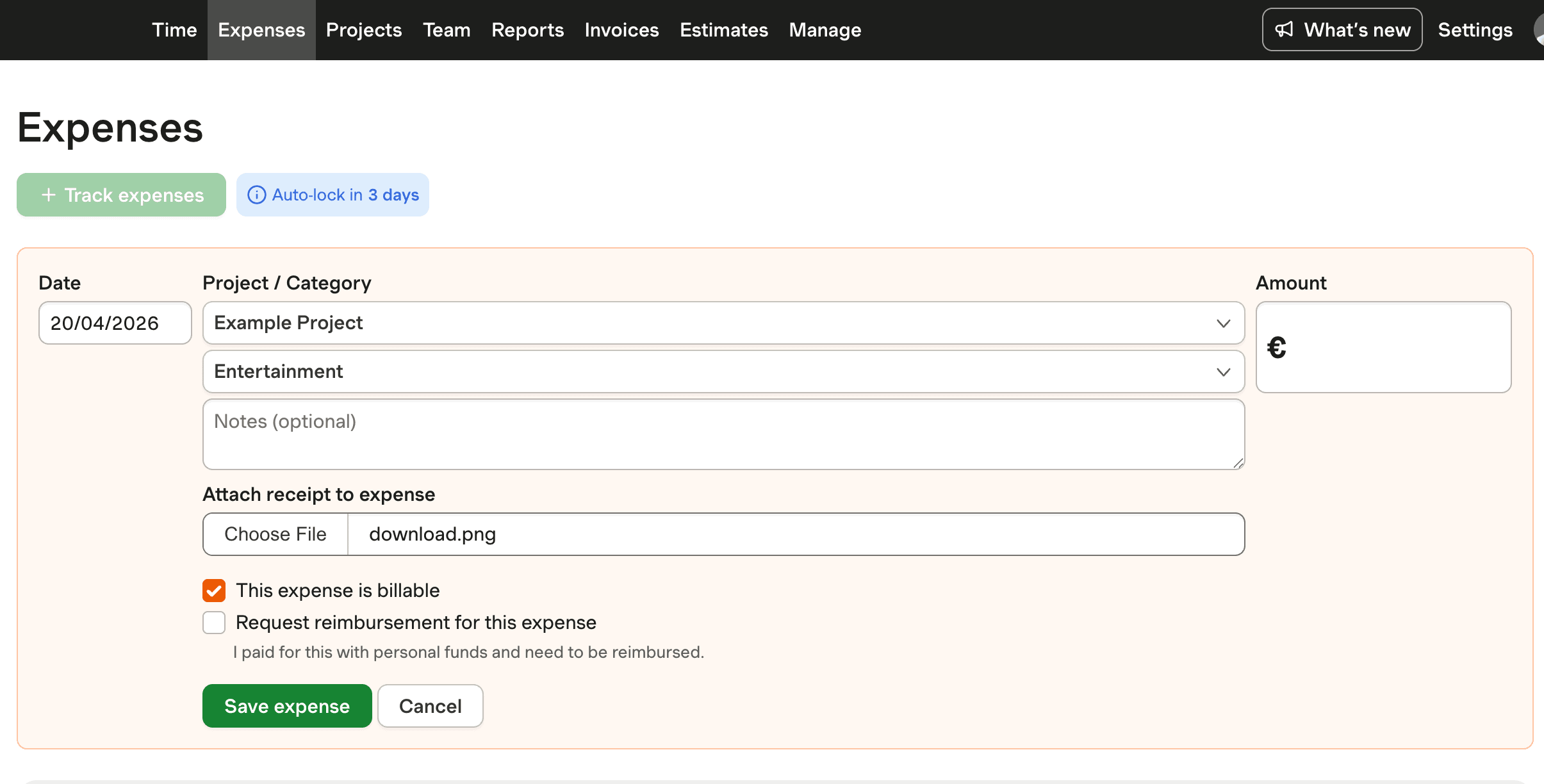
Harvest offers project-based expense tracking with multi-currency support, essential for managing global mobility expenses effectively.

Screenshot of Harvest's multi-currency expense tracking interface.

Mobility Expense Management FAQs

  • Mobility expense management involves tracking, controlling, and optimizing costs related to mobile devices, wireless services, and employee travel. It is crucial for maintaining financial health and ensuring compliance in global operations.

  • Technology optimizes mobility expense management by providing advanced analytics and real-time expense submission via mobile apps. This reduces administrative tasks and supports faster reimbursements.

  • Compliance challenges include navigating complex regulations like state-specific reimbursement laws in the US. Organizations must regularly review policies to ensure they align with current legal requirements.

  • Harvest supports mobility expense management through project-based tracking and multi-currency support, allowing businesses to manage expenses across different regions effectively.

  • Strategies include implementing detailed reporting, automating processes, negotiating contracts proactively, and integrating expense management systems with other business operations for unified data.

  • Automation reduces errors and administrative burdens by handling processes like receipt submission and expense tracking. This leads to faster and more accurate reimbursements.

  • Harvest supports multiple currencies at the client level, allowing businesses to manage expenses in various currencies, which is ideal for global operations.

  • Visibility into expenses allows businesses to make informed decisions, enforce policies consistently, and reduce risks associated with non-compliance and financial mismanagement.